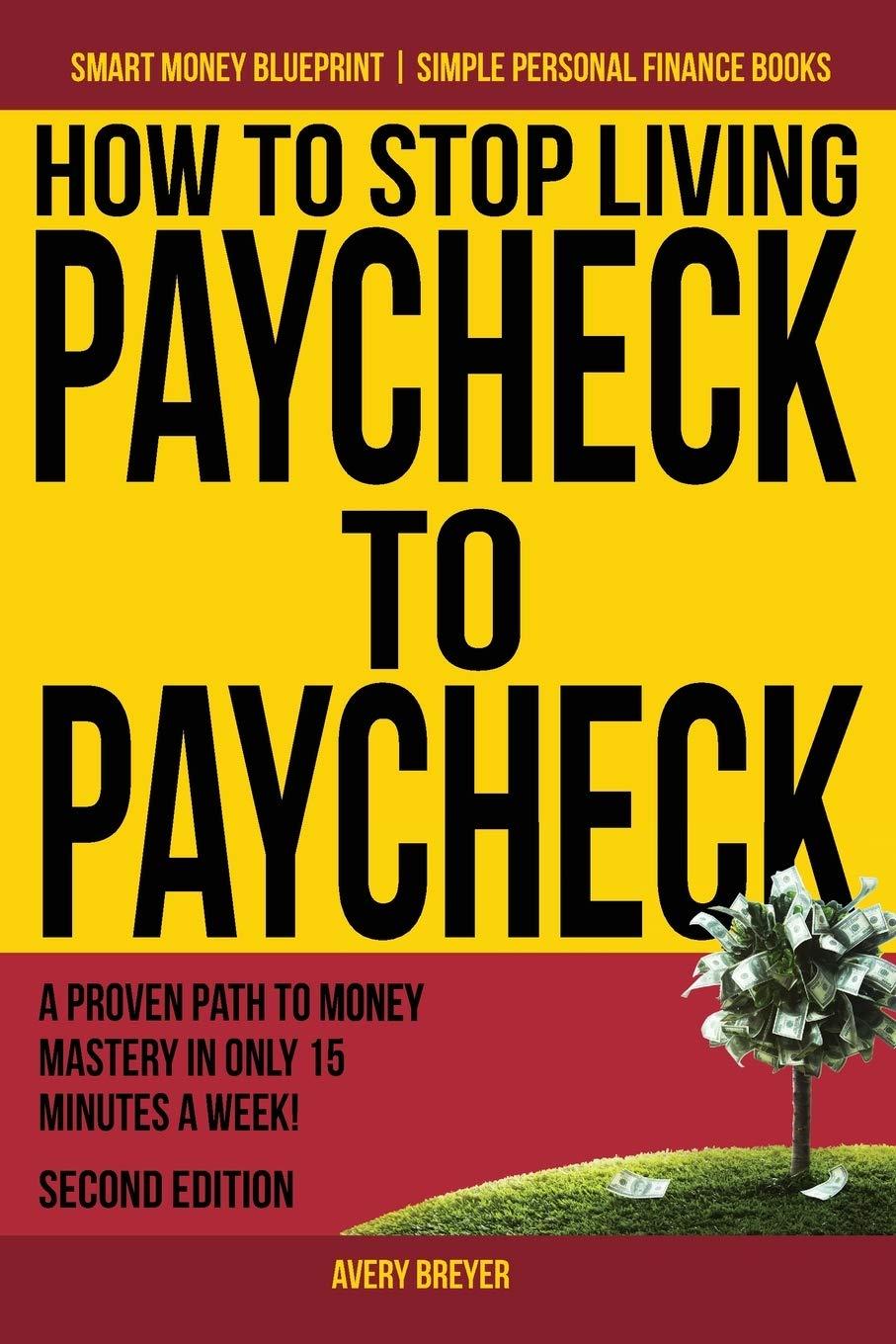
Breaking Free from the Paycheck-to-Paycheck Cycle: Our Journey with the Smart Money Blueprint
In today’s fast-paced world, the struggle to manage our finances while balancing bills, unexpected expenses, and savings goals is a familiar story for many of us. We’ve all felt that dread settling in when payday rolls around,concerned about making it to the next one without straining our budgets. But what if we told you that financial freedom could be achieved with just 15 minutes of effort each week?
Enter “How to Stop Living Paycheck to Paycheck: A Proven Path to Money Mastery in Onyl 15 Minutes a Week!”-the budgeting bible that promises to transform our relationship with money. With its straightforward approach and practical tips, this book guides us toward building a substantial emergency fund, navigating the choppy waters of debt, and sidestepping the 11 worst budget traps that can easily derail our financial aspirations.
In this review, we’re excited to share our firsthand experiences with this remarkable guide. We’ve dived into the pages of the Smart Money Blueprint, explored its proven strategies, and implemented its easy-to-follow budget system. Whether you’re a budgeting novice or someone looking to refine your skills, we’ll uncover whether this book can truly set the stage for lasting financial mastery.Join us as we detail our journey toward mastering money management-taking control of our finances, and finally breaking free from the paycheck-to-paycheck grind!
Table of Contents
Overview of Our Journey to Financial Freedom

As we embarked on our journey to financial freedom, we quickly realized that living paycheck to paycheck was not enduring. The book “How to Stop Living Paycheck to Paycheck” became our guiding light.This insightful guide offers a proven path to money mastery in just 15 minutes a week, making it an accessible resource for anyone wanting to take control of their finances.


The practical approach presented in the book resonated with us deeply. It breaks down complex financial concepts into simple, digestible parts, empowering us to regain control over our spending. The author’s friendly tone makes it feel like we are chatting with a friend who genuinely wants us to succeed financially. With a focus on budgeting that’s easy to implement, we found ourselves making real progress in our financial lives without feeling overwhelmed.
One of the key features we appreciated was the budgeting tool included in the text. It’s not just any budgeting method; it’s a practical and flexible system that requires only a nominal amount of our time each week. Tracking our income and expenses became much easier. Even for those of us who aren’t financially savvy, this book offers explanations that are clear and straightforward. We began to see where our money was going, and more importantly, how we could redirect it.However, we should note that while the book lays a strong foundation for budgeting, it might not suit everyone. Some readers with prior financial education may find the material a bit basic. But for those of us just starting on our financial journeys, it serves as an excellent resource that encourages honest reflection about spending habits. The reminder to be obvious with ourselves about money has been surprisingly empowering, as we’ve learned how to plan better and ultimately spend smarter.
Through our shared journey fueled by this book, we’ve learned invaluable lessons about budgeting and saving. The ideas and sentiments expressed have helped many of us move from feeling trapped in a cycle of debt to building a savings foundation for future endeavors. It’s a journey that truly shows that financial freedom is within reach, and that starts with understanding our finances better.
Exploring the Key Features That Transform Our Experience
We all know that living paycheck to paycheck can be a heavy burden. That’s precisely why we found “How to Stop Living Paycheck to Paycheck” incredibly valuable. This book introduces a straightforward budgeting approach that can fit into our busy lives. With just 15 minutes a week, we can change how we manage our finances. The key features are tailor-made for those of us who crave simplicity and effectiveness in personal finance management.
One standout feature is the included budgeting tool, which is user-friendly yet comprehensive. Many of us have struggled with tracking our income and expenses,but this tool takes away the intimidation factor. As we engage with it, we feel empowered to make informed decisions about our spending habits. The author walks us through its use with clarity, ensuring that we’re not left in the dark. The free interactive spreadsheet version available on Google Drive further enhances our experience; it’s a game-changer that brings budgeting into our daily lives seamlessly.
Another important aspect we appreciated is the book’s motivation to create an emergency fund. It’s easy to underestimate the comfort this brings.By guiding us to save gradually, we establish peace of mind, which helps reduce money-related stress. We also gained insight into the 11 worst budget traps that can easily derail our financial plans. Recognizing and avoiding these pitfalls made us feel more in control and proactive about our financial futures. Adopting these strategies can truly elevate our understanding and handling of money.
the friendly tone of the writing felt like conversing with a close friend who genuinely wants to help us succeed.The author balances practical advice with encouragement, making the learning process enjoyable. As we follow along, we find ourselves implementing not only the strategies outlined but also re-evaluating our personal spending habits with a fresh perspective. It’s not just about following instructions; it’s about embarking on a journey to financial savvy and independence together.
Unpacking the unique Strategies That make a Difference
the key to transforming our financial lives lies in understanding and implementing the unique strategies found in this book. The idea of managing our money effectively,specifically stopping the cycle of living paycheck to paycheck,is empowering. With practical techniques that take only 15 minutes a week, we are guided toward a structured approach to budgeting that feels both achievable and effective. The simplicity of the strategies allows us to seamlessly integrate them into our daily lives without feeling overwhelmed.
One standout aspect is the included budgeting tool. For many of us, tracking expenses can be daunting, yet the interactive spreadsheet makes it straightforward.It’s not overly simplistic; it encourages detailed tracking, forcing us to confront where our money actually goes each month. While the initial grind of tracking expenses may feel tedious, the reward is evident. Once that baseline is established, we become equipped to make informed decisions about our spending and saving habits. This shift elevates our financial awareness, ensuring that we are not just floating through life financially.
Additionally, the book emphasizes the importance of regular reflection on our spending habits. It encourages us to be honest and transparent with ourselves. This self-awareness is key. By identifying needless expenditures and recurring financial traps, we can develop better habits. The author’s friendly and relatable writing style makes the process feel less like a chore and more like a conversation with a friend who happens to be savvy about money. This approach resonates, making even the most complex financial concepts accessible.
However, it’s essential to note that the content is tailored for individuals starting at ground zero.for those of us who may have some understanding of budgeting, certain sections may feel familiar. yet, there’s beauty in revisiting the basics. sometimes, reminders of basic principles are what we need to get back on track. The author’s insights can serve as a gentle nudge to reassess and realign our financial strategies, helping us refine rather then reinvent our approaches.
The unique strategies within this guide illuminate a path toward financial mastery. They urge us to act, reflect, and adapt, fostering a sense of empowerment. As we engage with these methods, we lay the groundwork for a more secure financial future. Thus, the actionable insights not only make a difference in our budgeting practices but also inspire a profound shift in our overall perspective on money.
Personal Reflections on Our Progress and Successes
When we reflect on our journey toward financial stability, one powerful resource stands out: “How to Stop Living paycheck to Paycheck.” this unbelievable guide offers us a clear and proven path to grasping money mastery-all in just 15 minutes a week! We’ve found its practical approach refreshing, as it simplifies what can frequently enough feel like an overwhelming task. By dedicating a small amount of time each week, we’ve been able to take control of our financial situation, which in itself has been a tremendous success.
One of the highlights of our experience has been the budgeting tool provided in the book. It’s intuitive and straightforward, allowing us to track our finances without feeling lost in complex equations. We’ve come to understand our income and expenses better, uncovering areas where we can cut back. What struck us most is the way the author unpacks common financial advice in a relatable manner, helping us grasp concepts we might have felt were out of reach before. This walks us through the journey from feeling stuck financially to becoming proactive and informed.
Despite the helpfulness of this resource, we recognize that it may not resonate with everyone. For those of us already familiar with budgeting basics, some sections might seem repetitive. However, it’s important to remember that everyone starts somewhere. If you’re struggling to make sense of your finances, this guide serves as a great starting point. The author’s friendly tone feels like chatting with a caring friend, which makes tackling finances less intimidating and more approachable.
Another strength of this book is the community support it encourages. We’ve appreciated the author’s follow-up efforts to ensure we’re progressing. The additional resources available,like the interactive spreadsheet,extend the book’s value significantly. These elements support our ongoing commitment to improve our financial habits, and we feel empowered to recommend this guide to friends and family embarking on their financial journeys.
Recommendations for Getting the Most Out of This Program
To get the most out of “How to stop Living Paycheck to Paycheck,” we recommend embracing the key techniques and insights presented in the book.Start by committing to the 15-minute weekly check-in. It’s designed to fit effortlessly into your routine,ensuring that budgeting becomes a habitual practise rather than a chore. We’ve found that consistency is key, so taking a moment each week to review your spending habits can truly transform your financial mindset.
utilizing the included budgeting tool is another brilliant way to maximize this program. The spreadsheet is user-friendly and allows us to track our expenses easily. Even if we’re not tech-savvy, the clear explanations in the book guide us through its features.It’s helpful for visualizing where our money goes each month. By paying close attention to our earnings and expenditures, we can make better financial decisions, leading to more savings and less stress.
We also suggest engaging with the community resources provided. Whether it’s through online forums or social media groups, sharing our experiences can motivate us and offer diverse perspectives on financial management. When we ask questions or seek advice, we often gain insights that can help us apply the lessons from the book more effectively.This connection with others can definitely help us stay accountable, reinforcing our commitment to financial mastery.
Lastly, don’t hesitate to revisit the book periodically. Each time we flip through the pages, we might discover insights that resonate more deeply based on our current financial situation. As we progress along our money mastery journey, circling back to those foundational concepts will keep us grounded and focused on our goals.If we truly want to break free from the paycheck-to-paycheck cycle, regular reflection and engagement with the material will help us achieve lasting change.
maximizing the benefits of this program lies in consistent practice, effective use of tools, community engagement, and continual learning. By fully embracing these strategies, we can pave our path to financial stability and mastery.Remember, it’s all about taking those small, manageable steps towards big financial shifts!
Customer Reviews Analysis
Customer Reviews Analysis
As we’ve taken a closer look at the feedback for “How to stop Living paycheck to Paycheck: A proven path to money mastery in only 15 minutes a week!”, we noticed a range of perspectives from readers who have embarked on their budgeting journey with this guide. Here’s our analysis of the reviews:
| Review Highlights | Key Takeaways |
|---|---|
| Easy to Understand | Readers appreciated the straightforward writing style, making complex financial concepts accessible. |
| interactive Budget Tool | Many found the downloadable budgeting spreadsheet a game changer, allowing them to effectively track their expenses. |
| Common Sense Advice | Several reviews noted that while some tips were elementary, they served as important reminders for financial discipline. |
| Target Audience | Some readers felt the book was geared towards those with minimal financial background, potentially alienating more informed viewers. |
| Author’s Engagement | The author’s follow-up support impressed readers, adding a personal touch to the learning experience. |
| Need for More Depth | Critiques mentioned lacking depth in certain areas, notably around concepts like “money scripts,” highlighting a desire for more thorough explanations. |
| Practical Takeaways | For many, the book provided actionable strategies that could be immediately implemented for better financial management. |
We can see that while the book resonates well with those new to budgeting, experienced readers may find it less impactful due to its foundational nature. Nonetheless,the overall tone is supportive,encouraging individuals to take charge of their finances in a manageable,time-efficient manner.
for anyone feeling overwhelmed by their financial situation or simply looking for a refresher on budgeting basics, this guide appears to offer valuable insights and practical tools. Though, those who already possess a solid grasp of personal finance might seek additional resources to enhance their budgeting proficiency further.
Pros & Cons
Pros & Cons of “How to Stop Living Paycheck to Paycheck”
When considering a budgeting guide like “How to Stop Living Paycheck to Paycheck,” it’s critically important to weigh the benefits against the drawbacks. Here’s our take on the pros and cons of this money mastery tool:
| Pros | Cons |
|---|---|
|
|
“How to Stop Living Paycheck to paycheck” offers a solid foundation for those ready to take control of their finances. While it presents several compelling benefits, potential buyers should consider the cons to ensure it aligns with their personal needs and lifestyle.
Q&A
Q&A Section: “How to Stop Living Paycheck to Paycheck” Review
Q1: What makes this budgeting guide stand out from others?
A1: We found that this guide shines due to its simplicity and practicality. In just 15 minutes a week, it offers a foolproof method to take control of finances. It not only addresses the emotional aspect of money management but also provides actionable steps for building an emergency fund and paying off debt without overwhelming the reader.
Q2: Is this guide suitable for beginners?
A2: Absolutely! This budgeting guide is tailored for beginners. We appreciate its straightforward explanations and easy-to-follow systems that don’t require prior financial expertise, which makes it accessible to everyone looking to improve their financial situation.
Q3: How does the 15-minute weekly commitment work?
A3: We like how the 15-minute commitment is broken down into manageable tasks that can easily fit into our busy lives. Each week, we can focus on specific budgeting activities that contribute to our overall financial health, making the process feel less daunting and more achievable.
Q4: Can this guide really help someone get out of debt?
A4: Yes, it certainly can! By following the strategies outlined in the book, we learned effective techniques for prioritizing debt repayment and managing expenses. The insights into avoiding common budget traps are especially helpful in preventing setbacks along the way.
Q5: Are there any specific financial traps mentioned in the book?
A5: Yes, the guide identifies the 11 worst budget traps that can derail financial plans. We found this section particularly valuable, as it highlights pitfalls we might not have been aware of.Understanding these traps has empowered us to make smarter budgeting decisions.
Q6: How is the content organized in the book?
A6: The book is organized into clear sections that build on each other, guiding us through the process of money mastery. Each chapter is concise, making it easy for us to find relevant facts quickly without feeling overwhelmed.
Q7: What do readers typically say about their experience after using this guide?
A7: Based on customer reviews, we see that many readers express a sense of newfound control over their finances. The guide has received positive feedback for its actionable advice and the change it brings to personal financial management,often leading to reduced stress about money.
Q8: Is this guide worth the investment?
A8: Given its proven strategies and positive impact on readers’ financial lives, we believe that investing in this budgeting guide is worthwhile. It can be the catalyst for significant financial change, and the return on investment can be substantial in terms of reduced financial strain and improved savings.
Q9: Where can I purchase the guide?
A9: We found that the guide is available on various platforms, including major online retailers like Amazon, where it holds a solid rating among similar financial advice books. Be sure to check for the best deals and formats that suit your reading preference!
Embrace a new Era
As we wrap up our review of “How to Stop Living Paycheck to Paycheck,” it’s clear that this budgeting guide holds the potential to transform our financial habits and pave the way to lasting money mastery. with a simple commitment of just 15 minutes a week, we can take control of our finances, build an emergency fund, and dodge the common pitfalls that often derail our budgeting efforts.
If we’re serious about gaining financial freedom, this proven path offers the tools and motivation necessary to break free from the paycheck-to-paycheck cycle. So why wait? Let’s empower ourselves with the knowledge and skills that can lead us to a more secure future.
Ready to take the next step towards financial well-being? Discover how to effectively manage your money and pave your way to prosperity by checking out this essential read today!