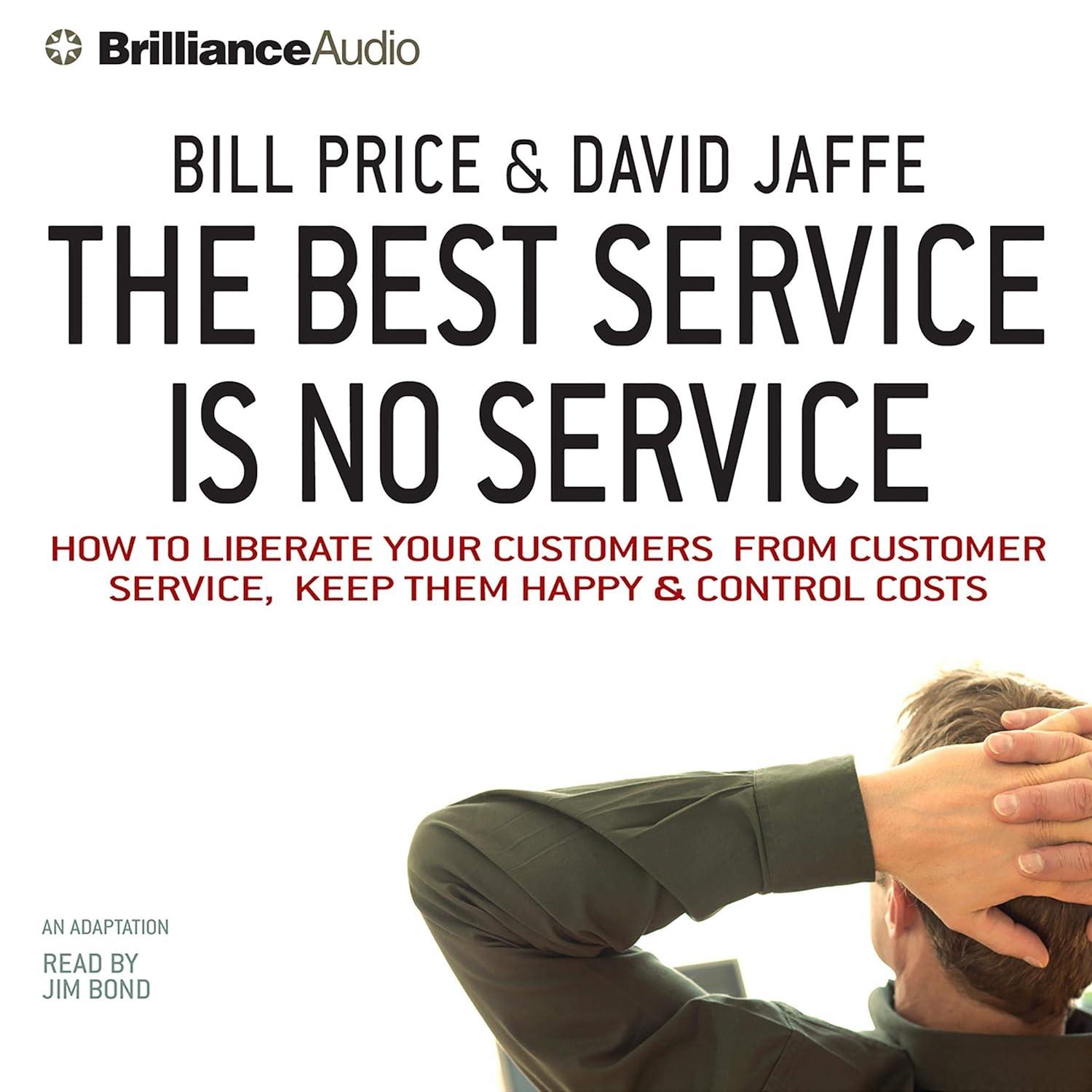
Welcome to our latest exploration of customer service innovation! Today, we’re excited to delve into a transformative audiobook that challenges the conventional wisdom surrounding customer support: “the Best Service Is No Service: How to Liberate Your Customers from Customer Service, Keep Them Happy, and control Costs.” Authored by Bill Price and David Jaffe, this compelling guide presents a revolutionary viewpoint that flips traditional customer service metrics on their heads.
After immersing ourselves in its thought-provoking principles, we’ve come to appreciate the authors’ bold assertion that less service can actually lead to happier customers. In a world where businesses frequently enough pride themselves on their ability to field inquiries, Price and jaffe urge us to reconsider-do our customers really want to engage with our support team, or do they simply want their needs met smoothly and seamlessly?
Through this review, we’ll unpack the seven key principles introduced in the audiobook that aim to minimize the need for customer service while maximizing satisfaction. We have engaged with the content on multiple levels, reflecting on our own experiences and the ways in which these strategies can be applied in our businesses. Join us as we navigate the pivotal ideas within “The Best Service Is No Service,” exploring how we can liberate our customers from unneeded interactions and focus on delivering exceptional experiences rather.
Table of Contents
Our Journey into the World of Effortless Customer Experience

has been transformative, and it all starts with the revolutionary insights from the book we’ve explored together.This read has considerably reshaped our understanding of what effective customer service truly means. Rather than seeing customer service as a necessary evil, the authors invite us to consider a world where service is minimized by design-less about handling complaints and more about elevating the customer journey from the outset.
By adopting the principles laid out in the book,we’ve begun to envision a future free of “dumb contacts.” It’s not just about reducing the volume of interactions; it’s about empowering our customers with engaging self-service options and proactive approaches. The notion that excellent customer service should stem from a customer’s instant ability to resolve their issues is both liberating and practical. We love how the authors have managed to frame this within a conversational style that retains the authority of a business textbook,making it approachable yet informative for everyone involved in customer relations.
What resonates with us is the emphasis on data-driven insights and the real-world applications presented throughout the chapters. There’s a refreshing honesty in dissecting service failures and understanding why they occur, which ultimately equips us with the tools to better serve our customers. The authors stress that customer service really only needs to exist when something goes amiss. This forward-thinking philosophy challenges the existing norms and encourages us to create a system that inherently prevents such issues from cropping up in the first place.
As we reflect on our own customer service strategies, the call to listen and act on feedback is especially poignant. It highlights the symbiotic nature of customer relationships; a proactive stance not only strengthens ties with our customers but also reduces operational costs in the long run. This book serves as a powerful reminder that the best service can indeed be no service at all, and we are excited to implement these strategies in a manner that directly benefits our customers.
Ready to embark on this enlightening journey in customer service? We highly recommend diving into this crucial read. Explore the insights that can liberate both you and your customers, and don’t miss out on this chance to change the way you think about customer experience. Check the current pricing below:

Exploring Key Features that Redefine Customer Interaction
The insights we gain from “The Best Service Is No Service” fundamentally change our understanding of customer interaction. The authors present a compelling argument for minimizing customer service demands by proactively addressing potential issues. Instead of fostering a relationship built on resolving complaints,we should prioritize creating smooth,hassle-free experiences from the outset. This proactive approach challenges traditional metrics commonly used in customer service, encouraging us to rethink how we define success.
One standout principle that resonates with us is the push to eliminate “dumb contacts.” These are interactions that arise from avoidable issues, like unclear product descriptions or poorly written instructions. By addressing these issues at their source, we free up our customer service teams to focus on more meaningful engagements. This emphasis on error prevention not only enhances customer satisfaction but also streamlines operational costs.
Another vital feature is the encouragement of engaging self-service options. It’s about empowering customers with the tools they need to find answers quickly on their own. when we provide intuitive FAQs, instructional videos, or even community forums, we shift the dynamic from reactive assistance to proactive support. This change not only keeps our customers happy but also reduces the demand for direct contact with service teams, ultimately driving down costs.
Furthermore, the book encourages us to adopt a “no service” mindset, suggesting that we own the outcomes across all departments.This holistic approach ensures that every team-from marketing to engineering-works collaboratively to enhance customer experiences. It’s not merely about serving customers but about creating conditions where less service is required. By listening to feedback, adapting processes, and fostering collaboration, we can create excellent service experiences that exceed expectations.
Embracing these principles invites a radical shift in how we connect with our customers. By redefining interaction as an ongoing, preventive endeavor instead of merely a reactive one, we build a robust framework for maintaining customer satisfaction while controlling costs.The approach outlined in this book offers a refreshing perspective that can lead to transformative changes in our organizational culture.
Delving into the Insights That Transform Service Dynamics
The landscape of customer service has evolved, and we’re here to delve into the insights that transform service dynamics. The approach laid out in “The Best Service Is No Service” teaches us that liberating customers from the clutches of traditional customer service can lead to happier clients and reduced costs. The authors, Bill Price and David Jaffe, present a fresh perspective on how we measure success in customer service. They argue that customers don’t seek relationships with support teams; they want to use our products seamlessly.
One of the standout concepts we appreciate from this book is the identification of unnecessary contacts between customers and companies. The premise is simple: if we’re proactive and eliminate what they call “dumb contacts,” we can enhance the overall experience. This involves creating engaging self-service options, ensuring that customers can easily find the answers they need without reaching out for help. When we reduce these interactions, not only do we save costs, but we also focus on delivering exceptional experiences that make customers feel valued while utilizing fewer resources.
Even though the book is packed with actionable insights, it’s written in a conversational tone that makes it easy to digest. As we turn the pages, we find ourselves nodding along with the authors’ perspectives. They illustrate the principles with practical examples, including well-known companies that have adopted this “no service” mindset successfully. The authors emphasize creating self-repairing systems – a concept we find to be notably enlightening. It’s a way of thinking that prioritizes customer satisfaction by understanding their needs even before they contact us for help.
By addressing the root causes of customer inquiries, we can forge a path toward improved customer service metrics and overall business performance. The seven principles outlined make it clear that effective service does not necessarily mean more service. Instead, it’s about delivering a seamless experience that reduces friction points, allowing us to create a culture of prevention. We encourage you to embrace these insights and consider how they could redefine your own service dynamics.
Ultimately,the ideas presented in this book offer a wisdom that’s critical for anyone in customer service or management. They challenge us to rethink what good service looks like and how it can be achieved. As we reflect on these insights, we feel empowered to implement changes that not only keep our customers satisfied but also streamline our operational efforts.
Recommendations for Implementing a Service-Free model
implementing a service-free model can seem daunting at first. However, we believe that with the right approach, it can transform our customer experience dramatically, while also keeping costs down. One key takeaway from “The Best Service Is No Service” is that we need to focus on eliminating unnecessary contacts. By addressing the root causes of customer interactions, we can streamline processes and empower customers to find what they need without reaching out for help. This doesn’t just reduce friction; it fosters a more positive experience overall.
to kick things off, we should take a close look at our existing customer service operations. Are there common issues that result in repeated contacts? By utilizing data, we can identify these pain points. Once we recognize them,we need to implement proactive measures to prevent them from occurring in the first place. For example, if we notice customers struggling with certain features, let’s invest in creating clear self-service resources or FAQs. This way, our customers will have the tools they need at their fingertips, reducing their reliance on direct assistance.
Another vital principle is to create engaging self-service solutions. This means making our websites and platforms user-kind and intuitive. It’s about designing experiences where customers can easily navigate, find solutions, and make informed decisions without frustration. By doing so, we can enhance their autonomy and satisfaction. Moreover, ensuring that we listen actively and incorporate their feedback can further refine our self-service offerings.
equally crucial is to enhance the ease with which customers can reach out if they need to. While our goal is to minimize contacts, it’s crucial that we remain accessible when necessary. Thus, a simple and effective contact option should always be visible. This not only shows that we care but also alleviates any potential frustration from customers who may have unaddressed concerns. When they know they can reach out easily when needed, they tend to feel more satisfied with their overall experience.
Ultimately, adopting a service-free model is about being proactive, strategic, and customer-centric. It’s about eliminating the unnecessary while enhancing the necessary. And as we’ve learned from Price and Jaffe, the best way to serve our customers is by preventing service demands from arising in the first place. by following these principles, we can cultivate loyalty and confidence among our customers, ensuring they receive the best possible experience without the need for excessive service interactions. Ready to transform your approach? Buy now on Amazon
Reflecting on the Impact of No-Service on Our Business Strategy
has been a game changer for us. We used to think customer service was all about being available at all times, but that mindset has shifted. The truth is, we don’t always need to interact with our customers to keep them happy. This book offers a fresh perspective that has encouraged us to rethink our approach. The authors make a compelling argument that a lot of the contacts we handle are unnecessary and can be eliminated. This realization has had a important positive influence on how we strategize our services.
By following the principles outlined in the book, we learned to focus on creating a seamless self-service experience. Customers today prefer to find answers for themselves rather than waiting for someone to help them. that’s where empowering them with the right tools comes in. We’ve put effort into making our resources more user-friendly and accessible, which ultimately reduces the need for direct customer service interactions. this transition not only improves customer satisfaction but also allows us to control costs more effectively.
We’ve also taken to heart the importance of being proactive. Listening to our customers and acting on their feedback has become a cornerstone of our strategy. The idea is to eliminate the need for service by anticipating potential issues before they arise. This shift has changed the way we operate. Rather of being reactive, we’re now building systems that help prevent problems. It’s a total transformation in how we view customer interactions and the measurements we use to gauge success.
this approach feels liberating. We’ve not only eased the burden on our customer service department but also provided a better experience for our customers. This book has shown us that the best service can indeed be no service, and embracing that philosophy has made a world of difference for our business. We’re excited to keep refining these strategies and seeing how far we can take them.
Customer Reviews Analysis
Customer Reviews Analysis
In our exploration of “The Best Service Is No Service,” we’ve gathered a wealth of insights from readers who share their experiences and takeaways from this impactful book. the reviews paint a robust picture of a resource that resonates deeply with those in the customer service field, prompting both reflection and action. Let’s delve into what our fellow readers have to say:
| Review Highlights | Common Themes |
|---|---|
| Practical insights and methods for improving business operations. | Utility & Applicability |
| Conversational style makes it an easy read. | Accessibility |
| Case studies and statistics enrich the content. | Evidence-Based |
| Some parts felt like common sense, not groundbreaking. | Perceived Value |
| Emphasis on proactive service design is crucial. | Proactivity |
| Templates and principles provided are valuable for implementation. | Actionable Framework |
General Sentiment
Many readers express thankfulness for the book’s clear, practical insights and lively prose-recognizing it as a crucial resource for customer service professionals. One reviewer proclaimed it a “MUST READ,” emphasizing how the book’s content is essential for anyone involved in improving customer service. the incorporation of real-world examples-from renowned companies like Amazon-serves to ground the book’s principles in practicality, further engaging readers.
Constructive Critiques
Nonetheless,there are critiques worth noting.Some readers pointed out that while the content is frequent… even essential, it might lack novelty for seasoned professionals. A few felt that concepts presented should be foundational knowledge for those already in managerial positions. Additionally, the surveys at the chapter’s end appear to elicit self-reflection, which can be discomforting but ultimately valuable.
Final Thoughts
the reviews we encountered suggest that “The Best Service Is No Service” resonates well with a diverse audience-whether it be customer service operatives, managers, or C-suite executives. The blending of insightful principles with engaging narrative contributes to a compelling case for rethinking customer service strategies. For those ready to rethink their approach, the book promises to offer both strategic frameworks and motivational encouragement to revolutionize their customer service practices.
Pros & Cons
Pros & Cons
As we delve into the insights provided by “The Best Service Is No Service,” we can identify several compelling advantages and some noteworthy challenges that this approach entails. Below, we’ve outlined the pros and cons to help us weigh the effectiveness of this service strategy.
| Pros | Cons |
|---|---|
| Cost Efficiency: By reducing the need for customer service interactions, companies can save on operational costs associated with staffing service departments. | Change Resistance: Organizations might resist shifting their mindsets and redefining success metrics, making the transition to a no-service model challenging. |
| Customer Satisfaction: Liberating customers from prolonged service encounters can enhance their overall satisfaction and loyalty, as they can get back to using products swiftly. | Risk of Neglect: Eliminating customer service might backfire if a company does not address real issues that lead to customer dissatisfaction. |
| Proactive solutions: The principles encourage businesses to anticipate customer needs, leading to improved processes and experiences. | Limited Scope: The “no service” strategy primarily benefits straightforward transactions and may not suit complex customer interactions that require personalized assistance. |
| Innovative Framework: The audiobook provides a fresh perspective on customer service,inspiring managers to rethink outdated assumptions about customer interactions. | Implementation Challenges: Successfully applying these principles may require significant training and cultural shifts within an association. |
Ultimately, the choice to adopt a “no service” strategy should be carefully considered, taking into account our organization’s capabilities and our customers’ expectations. In balancing these pros and cons, we can better determine if this innovative approach aligns with our service vision.
Q&A
Q&A Section for “”
Q1: What is the main premise of “The Best Service is No Service”?
A1: The core idea of this audiobook is that traditional customer service metrics and operations are often flawed. Instead of measuring success by the number of customer interactions or calls, the authors argue that true customer satisfaction comes from minimizing the need for customer service altogether. They propose that by addressing the root causes of customer inquiries and improving the overall customer experience, companies can achieve happiness for their customers without overwhelming them with service interactions.
Q2: Who are the authors,and what is their expertise?
A2: The audiobook is authored by Bill Price and David Jaffe,both of whom have extensive backgrounds in customer service management and business strategy. Bill Price has worked for major companies leading customer service initiatives, while David Jaffe has experience in business transformation and operational efficiency. their combined expertise lends credibility to the innovative approach they share in this audiobook.
Q3: What are the seven principles outlined in the audiobook?
A3: The authors provide seven key principles aimed at reducing the need for customer service while enhancing the overall experience. These principles are:
- Eliminate dumb contacts
- Create engaging self-service
- Be proactive
- Make it easy to contact your company
- Own the actions across the company
- listen and act
- Deliver great service experiences
By implementing these principles, companies can work towards a “no service” model that drives customer satisfaction.
Q4: Is this audiobook relevant for all types of businesses?
A4: Yes, the concepts presented in “the Best Service Is No Service” can be applied to a wide range of industries and business sizes. whether you are a small startup or a large corporation,the principles can definitely help streamline operations and improve customer satisfaction. The authors emphasize that a “no service” mindset does not rely on expensive technology or software solutions, making it accessible for any organization willing to rethink its approach to customer engagement.
Q5: What can companies expect to gain by adopting the strategies discussed in the audiobook?
A5: By adopting the strategies presented in the audiobook, companies can expect to see several impactful outcomes. These include reduced operational costs, increased customer satisfaction, fewer service interactions, and ultimately, a more streamlined and efficient business model.The emphasis on proactive measures and self-service options can lead to happier customers who feel empowered and valued, rather than burdened by excessive contact with customer service departments.
Q6: How practical are the recommendations in terms of implementation?
A6: The recommendations in the audiobook are designed to be practical and actionable. As the authors stress that no advanced technology is needed to adopt a “no service” mindset, any manager can begin implementing changes. The principles focus on identifying inefficient practices and addressing them, which can be achieved through simple adjustments in existing business processes. This makes it fairly easy for organizations to start seeing benefits without significant upfront investment.
Q7: Is the audiobook suitable for individuals, or is it primarily aimed at business leaders?
A7: While the content is particularly beneficial for business leaders and managers looking to transform their customer service approach, we believe that individuals interested in understanding modern customer experience strategies will also find value in the insights shared. The audiobook provides a fresh perspective on how businesses can operate more effectively, making it a useful resource for anyone concerned with enhancing customer satisfaction and service efficiency.
Q8: Where can we find “The Best Service Is No Service”?
A8: The audiobook is available on major platforms such as Audible, Google Play, and many other audiobook retailers. Additionally, you can explore local libraries or eBook lending options to access it. we encourage you to check it out and consider how these innovative strategies can apply to your own customer engagement practices!
experience the Difference
“The Best Service Is No Service” reshapes our understanding of customer interactions and service metrics. As we’ve explored,it’s not just about resolving issues but rather about fostering an surroundings where customers feel empowered to engage with our products on their terms. Bill Price and David Jaffe’s revolutionary approach challenges conventional wisdom,illustrating that true customer satisfaction stems from eliminating the need for service in the first place.By implementing the seven principles outlined in the audiobook, we can transform our customer experiences and possibly reduce costs while still keeping our clients happy. So, let’s take this insightful journey and redefine what service means in our businesses.
Ready to liberate your customers and enhance their experiences? Discover the strategies in “The Best Service is No Service” for yourself. Click here to dive deeper into this transformative approach: The Best Service Is No Service.