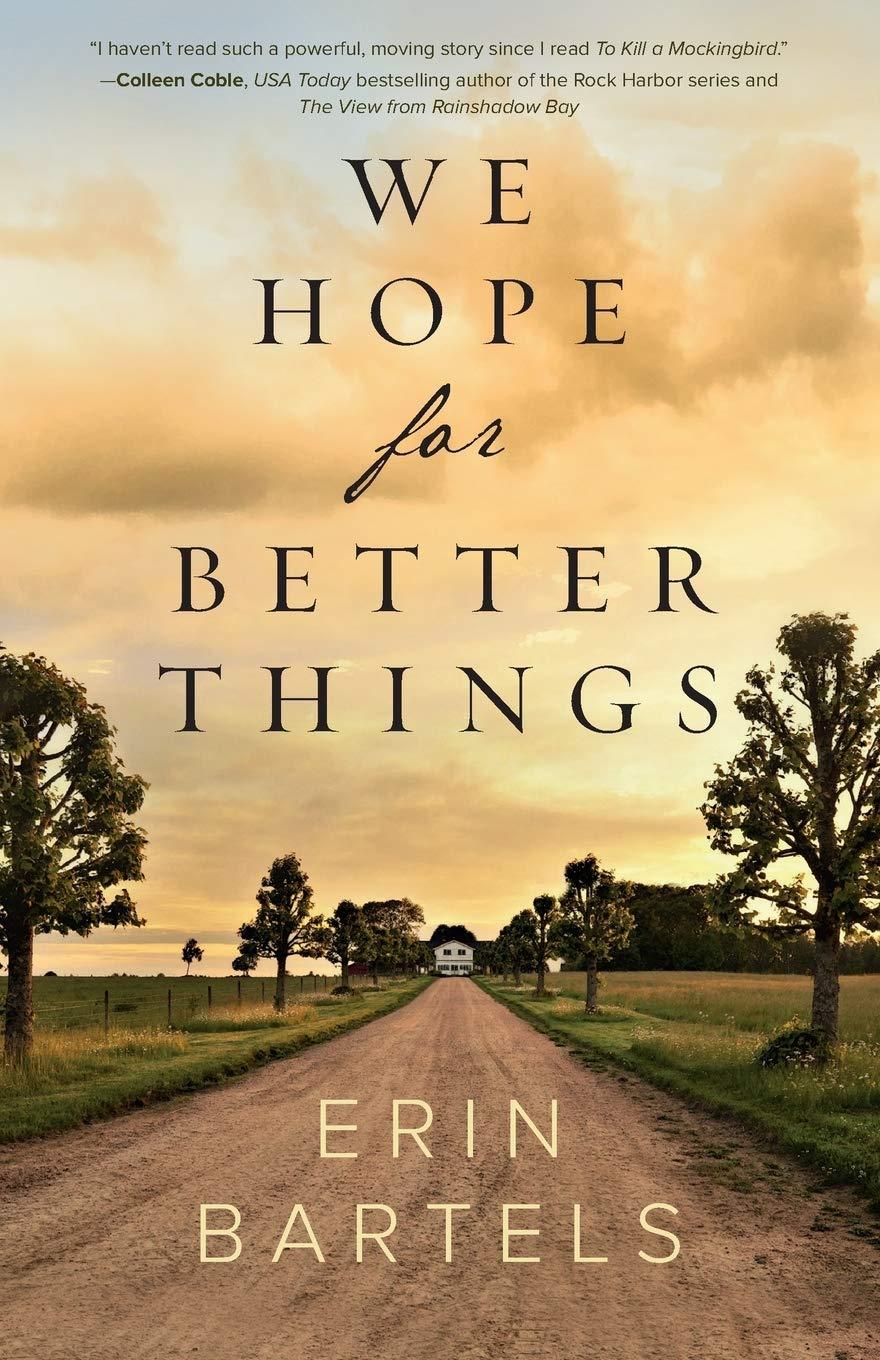
Welcome to our exploration of “we Hope for Better Things,” a captivating debut novel by Erin Bartels that has earned accolades like the 2020 Michigan Notable Book title and the 2020 WFWA Star Award. As we dove into its 400 pages, we were immediately struck by the depth of storytelling and emotional richness woven throughout the narrative. Set against the backdrop of America’s complex history with race, love, and resilience, this novel takes us on a journey through the lives of three remarkable balsam women, each facing their own struggles across different eras.
With its compelling characters and thought-provoking themes, “We Hope for Better Things” invites us to reflect on the past while grappling with its lingering effects in the present. from the tumultuous streets of 1960s Detroit to the harrowing path of the Underground Railroad during the Civil War, Bartels masterfully intertwines personal stories with ancient truths, making us pause and consider the threads that connect us all.
Join us as we share our first-hand experience with this poignant tale-a story of heartbreak and hope that we believe resonates deeply in our contemporary world.Whether you are a fan of historical fiction, family sagas, or narratives that challenge societal norms, we think this book deserves a place on your reading list. Let’s delve into the heart of “We Hope for Better Things” and discover what makes it a must-read for anyone seeking understanding in these turbulent times.
Table of Contents
An In-Depth Look at We Hope for Better Things

When we picked up a copy of “We Hope for Better Things,” we knew we were in for an engaging exploration of race and resilience through the narratives of three women from distinct eras. this powerful debut novel interweaves historical settings and personal challenges that resonate well beyond its pages. The parallel journeys of Mary, Nora, and Elizabeth are not just stories about individual struggles; they represent a broader commentary on societal issues that are still relevant today. The combination of history and personal conflict creates a compelling backdrop that makes us reflect on our shared humanity.
Diving deeper into the characters, we were especially struck by how each woman faced her circumstances with such strength and vulnerability.Mary, navigating her life during the Civil War, embodies the rugged spirit and determination we frequently enough admire. Meanwhile, Nora’s decisions in the 1960s highlight the complexities of love and acceptance against a backdrop of societal tension. elizabeth’s contemporary story serves as a thread, connecting the past to our present, as she unravels the family secrets hidden within her great-aunt’s farmhouse. This setting becomes a character in itself, filled with locked doors and buried histories waiting to be uncovered.
As we read on, we got completely absorbed in the different timelines and how they interact. The storytelling might initially feel overwhelming with its jumps across decades, but we soon found that this structure only enriched the narrative. It allowed us to see the long-lasting effects of racism and the evolution of societal norms through the eyes of three relatable protagonists. Each woman’s relationship with love-whether it’s forbidden, challenging, or uncertain-invites us to ponder our definitions of loyalty, acceptance, and progress. Erin Bartels has indeed given us more than just a tale; she’s provided a mirror reflecting our society’s ongoing conversations about race and gender.
The emotional weight carried by mary, Nora, and Elizabeth connects us to a shared history, allowing us to feel the triumphs and traumas they experience. We appreciated the nuanced portrayal of their struggles, as it compelled us to think critically about the ramifications of their choices. There’s something deeply rewarding about witnessing their growth, and we find ourselves cheering for each character as they navigate their respective trials. “We Hope for Better Things” is more than just a historical novel; it’s a reminder of how far we’ve come and the work that still remains, brilliantly encapsulated through the lives of these three women.
Exploring the Unique Features That Set It Apart

The unique features of “we Hope for Better Things” truly set it apart from other novels in the genre. One of the standout elements is its intricate storytelling that weaves together three compelling narratives across different timelines. We appreciate how the author, Erin Bartels, has crafted not just a story, but a tapestry of history and personal struggle that resonates deeply with us. The characters, Mary, Nora, and Elizabeth, each represent a different era of American history, yet their experiences with love, loss, and resilience bind them together. This multi-generational approach not only enriches the plot but invites us to reflect on the lasting effects of racism and the pursuit of acceptance.
Another feature that captivated us is the book’s vivid exploration of setting and atmosphere. The description of the farmhouse and the surrounding landscapes gives life to the story, immersing us fully in the lives of the Balsam women. We find ourselves transitioning from the turbulent streets of 1960s Detroit to the heart of the Civil War era, making the historical context a character in its own right. This backdrop enhances our understanding of the complex social issues the characters face and adds layers to their relationships.The way bartels connects the personal with the societal challenges of the times is nothing short of remarkable.
Moreover, the incorporation of themes of forbidden love and familial bonds adds depth to the narrative. We particularly admire how the novel tackles serious issues like racial injustice while also celebrating the enduring strengths of love and loyalty. the struggles faced by each character in identifying their place in a world filled with prejudice create a poignant commentary on race and gender relations in America. the emotional weight each character carries makes their journeys relatable, inviting us to empathize with their experiences. Characters like Mary, with her unwavering courage, compel us to consider the sacrifices made for love and family, making the reading experience profoundly moving.Lastly, Bartels’ nuanced writing also deserves recognition for its ability to handle arduous subjects with sensitivity.we appreciate the respect and care taken in portraying the historical context of racism, allowing readers to confront uncomfortable truths while still finding hope and resilience in the characters. As we navigate the pages, we can’t help but reflect on our own perspectives on love, justice, and humanity. This balance of realism and emotion is a unique characteristic of the book, reminding us that literature can both illuminate and challenge our beliefs. these features create a narrative that lingers in our minds long after we turn the last page, making this novel a noteworthy read.
Our insights on Functionality and Design
When diving into “We Hope for Better Things,” we quickly realized it’s not just a novel; it’s a rich tapestry woven with deep historical threads and compelling personal narratives. The functionality of this book shines as it uses multi-generational perspectives to highlight the enduring issues of racism and social justice. Each character unfolds significant historical context that resonates with readers, allowing us to connect emotionally while reflecting on our own societal challenges.
the design of the storytelling is intricate and intentional. We appreciate how the alternating timelines and the different perspectives are laid out. It requires us, as readers, to actively engage with the text. Initially, navigating between eras might feel disorienting, but as we progress, the craftsmanship becomes clear. Each section not only tells a story but also builds an understanding of the struggles faced by the characters,revealing shared themes of love,resilience,and sacrifice. This narrative structure enhances the reading experience and brings a sense of depth that we find captivating.
We also admire the way Bartels embedded layers of symbolism within the farmhouse setting that ties everything together. The pops of historical detail create a vivid backdrop that feels almost like another character in the narrative. As we journey through the lives of Elizabeth, Mary, and Nora, we’re drawn into the complex familial relationships and the societal obstacles they face. The meticulous details in their environments are well-researched and resonate deeply, feeding into the overarching themes of connection and hope amid adversity.
“We Hope for Better Things” offers a beautifully designed and functional reading experience. It deftly intertwines each character’s story while encouraging us to explore deeper societal issues. The emotional weight it carries lingers well beyond the last page, making it a relevant conversation starter in today’s world.
User Experience: What We Discovered Together
When we started reading “We Hope for Better Things,” we didn’t expect such an emotional journey. Diving into the intertwined lives of three women across different eras was like peeling back layers of history and personal struggles. Each character brought something unique to the table, connecting us to their stories in ways we never anticipated. The author, Erin Bartels, has this incredible ability to craft characters that feel so real, we found ourselves deeply invested in their fates.
Initially, we admit the shifting timelines made us pause. The narratives jump between the Civil War,the civil rights movement,and contemporary times,and figuring out when each story takes place required a bit of concentration. However, as we moved forward, we quickly captivated by Mary, Nora, and Elizabeth’s lives. Mary’s courage as a solitary figure on the farm, Nora’s defiance against societal pressures, and Elizabeth’s quest for answers united us in shared understanding and empathy. It was hard not to be moved by their resilience and the historical weight of their experiences.
Reading about the challenges each woman faced regarding love and race highlighted the intricate fabric of our country’s societal issues. The way Bartels wove these themes into their stories resonated with us,prompting discussions about how far we’ve come and how much further there is to go.The emotional complexity of these characters connected us not just to them but to each other as we shared our interpretations and feelings about their journeys. It’s one of those novels that lingered in our minds long after we finished the last page.
One of the most stunning aspects we discovered together was the exploration of racism through the lives of three white women and their relationships with men of color. The stark realities presented in each time period were poignant and thought-provoking. While we rooted for love and understanding, we also grappled with moments where societal boundaries felt insurmountable. Seeing the past through the characters’ perspectives taught us many lessons about empathy and the need for continuous growth in our own lives.
As we turned the final pages, we felt a mixture of sadness and triumph.This book wasn’t just a collection of stories; it became a shared experience that prompted us to reflect on our beliefs and the world around us. The author’s compelling prose and rich characterizations ensured we were not just readers, but active participants in their struggles and achievements, leading to a reader experience that we won’t soon forget.
Final Thoughts and Recommendations for Potential Buyers
As we reflect on our experience with “We Hope for Better Things,” we find ourselves deeply moved by Erin Bartels’ poignant narrative. This remarkable debut novel weaves a rich tapestry of history,race,and family that lingers in our minds long after the last page is turned. For anyone seeking an emotional journey through time and understanding,this book offers a compelling look at the intricacies of love and the deep-seated issues surrounding racism in America.
The narrative structure, which interlaces the lives of three women from different eras, can initially feel disorienting. Though, we encourage potential readers to embrace this complexity. Each character, from Mary in the Civil War to Nora in the Civil Rights movement, and finally Elizabeth in today’s society, provides a unique perspective on the struggles faced by those who loved across racial lines.The gradual unveiling of their interconnected stories keeps us engaged, prompting us to ponder the lingering shadows of the past in our present.
In terms of thematic exploration, the book excels by addressing not only love but also the pain and societal challenges these characters endure. We appreciate how the author intricately portrays their emotional landscapes, making us feel compassion for each of them, flaws and all. It’s refreshing to witness characters who resonate with the idea that imperfection is part of the human experience. As we engage with their stories, we can’t help but reflect on our relationships and the historical context that shapes them.
For those who love historical fiction that dives deep into societal issues, this book is a must-read. We wholeheartedly recommend it to anyone looking for a thought-provoking and heartfelt story. “We Hope for Better Things” isn’t just a book; it’s an invitation to examine our histories and aspirations for a more just future. So, don’t miss out on this captivating journey; it’s well worth your time and investment.
Ready to purchase? Buy Now on Amazon
Customer Reviews Analysis
Customer Reviews Analysis
As we delve into the reviews of “We Hope for Better Things,” it quickly becomes evident that Erin Bartels’ debut novel resonates deeply with readers. Many have expressed their admiration for the complex narratives woven through different time periods, highlighting how the intertwining stories of the three primary characters keep them engaged throughout. Below, we summarize the common themes and sentiments shared by our readers.
Key Themes from Customer Reviews
| Theme | Reader Sentiment |
|---|---|
| Character Growth | Readers praise the depth and humanity of characters, especially Mary and Nora, making them relatable and memorable. |
| Multiple Timelines | While some found the format initially confusing, many appreciated the storytelling approach that connects historical moments with personal narratives. |
| Engagement with History | Reviewers conveyed that the book effectively addresses issues of racism across different eras, prompting reflection on societal changes. |
| emotional Impact | Several readers highlighted the emotional weight of the story,suggesting that it stays with them long after finishing the book. |
| Relatability and Realism | Many noted that the characters exhibit flaws similar to real people, making their struggles and triumphs more relatable. |
Overall Impressions
From our analysis,it is clear that “We Hope for Better Things” is a book that not only entertains but also challenges readers to think critically about history and societal issues. The mixed timelines and the complex relationships depicted resonate with a broad audience, leading to a variety of reflections on love, race, and personal growth. Although some readers felt certain aspects of the narrative context could have been expanded, the overwhelming consensus is one of appreciation for bartels’ ambitious storytelling.
Final Thoughts
this debut novel stands as a testimony to Erin Bartels’ skill in crafting an engaging narrative that speaks to the heart of significant societal themes. Readers’ overall enthusiasm and emotional engagement with the characters suggests that “We Hope for Better Things” is well worth a read for anyone interested in rich historical fiction.
Pros & Cons
Pros & Cons of “We Hope for Better Things”
As we dive into the heart of “We Hope for Better Things,” it’s important to weigh the advantages and disadvantages of this compelling novel. Here’s what we found:
| Pros | Cons |
|---|---|
| Engaging narrative that blends personal stories with historical events. | Some readers may find the pacing uneven at times. |
| compelling characters that resonate with readers across generations. | Heavy themes of racism and historical trauma may be difficult for some readers. |
| Richly detailed setting that immerses us in the historical backdrop of Detroit. | The complexity of intertwining storylines may require close attention. |
| A thought-provoking exploration of love, resilience, and the search for truth. | May not appeal to readers looking for light-hearted or straightforward narratives. |
| Winner of several literary awards, highlighting its quality and recognition in the literary community. | As a debut novel, there may be moments where the author is still finding her voice. |
we believe that “We Hope for Better Things” is a significant addition to the realm of historical fiction, presenting us with a mix of triumphs and challenges that can lead to meaningful reflections.
Q&A
Q&A Section for “We Hope for Better Things” Review
Q: What is the main premise of “We Hope for Better Things”?
A: “We Hope for Better Things” follows the journey of Elizabeth Balsam, a reporter who uncovers her family’s hidden past as she grapples with job loss and personal turmoil. Set against the backdrop of racism and struggle in America, the novel interweaves the stories of three women from different eras, revealing how their experiences with love, resilience, and courage mirror contemporary societal challenges.
Q: How does Erin Bartels depict the theme of racism in the novel?
A: Bartels expertly navigates the complex and painful realities of racism through the experiences of her characters. By highlighting the struggles of women across different periods-particularly during the Civil war and the civil rights era-she emphasizes the ongoing fight against prejudice and injustice. The novel serves as an exploration of how deeply entrenched these issues are in American history.
Q: What can readers expect in terms of emotional impact?
A: Readers can anticipate a profound emotional journey that lingers long after the final page. With compelling characters and heart-wrenching scenarios, the book evokes empathy and prompts reflection on personal and societal issues. Many reviewers have described their experiences with the novel as transformative, likening it to the impact of literary classics in provoking thought about the present.
Q: Is “We Hope for Better Things” suitable for fans of historical fiction?
A: Absolutely! This debut novel is ideal for fans of historical fiction, particularly those who appreciate narratives rich in context and character development. The intertwining timelines and historical settings provide a flavorful backdrop that enhances the character-driven story,making it a delightful read for anyone who loves to explore the past through a fictional lens.
Q: What awards and accolades has the book received?
A: “We Hope for Better Things” has garnered significant recognition, including being named a 2020 Michigan Notable Book, winning the 2020 WFWA Star Award, and being a finalist for the Christy Award in 2019. Such accolades underscore its critical success and resonate with the experiences of readers who have found meaning in its pages.
Q: How does Bartels craft the character of Elizabeth balsam?
A: Elizabeth is portrayed as a multi-dimensional character who navigates personal and professional hardships with determination and curiosity.Her journey of self-finding, coupled with her desire to unveil her family’s history, makes her relatable and engaging. As she digs deeper into her ancestry, readers witness her growth and the connections she forms with her predecessors-highlighting themes of identity and belonging.
Q: Are there religious elements present in the story?
A: Yes, the novel has been noted for its faith-based themes, appealing to readers who appreciate stories that explore spirituality and personal faith amidst struggles. While it tackles heavy topics like racism and injustice, it also underscores the significance of hope, love, and forgiveness, resonating with many faith-based audiences.
Q: How does the setting influence the narrative?
A: The setting plays a crucial role in “We Hope for Better Things.” From the tumultuous streets of 1960s Detroit to the era of the Underground Railroad, each location not only shapes the characters’ experiences but also serves to contextualize their stories within the broader tapestry of American history. The rich details of each time period evoke a sense of place that immerses readers and enhances the narrative’s emotional depth.
Q: Who would you recommend this book to?
A: We recommend “We Hope for Better Things” to anyone interested in historical fiction that delves into social issues, and also to those who enjoy character-driven narratives that resonate with contemporary relevance. It appeals to readers who appreciate storytelling that combines a rich historical backdrop with themes of love, family, and resilience.
Achieve New Heights
As we reach the end of our journey through “We Hope for Better Things,” we find ourselves reflecting on the profound impact of Erin Bartels’ debut novel. The seamless weaving of historical threads into the fabric of personal stories reminds us that history is not just a distant echo but an active influence on our lives and the lives of those around us.
Through the struggles and triumphs of the Balsam women, we are confronted with the powerful realities of love, loss, and resilience against the backdrop of racism and societal upheaval. this book not only entertains but challenges us to consider our own understanding of these enduring themes. In doing so, Bartels has crafted a narrative that resonates on multiple levels, making it a must-read for fans of historical fiction and anyone looking to deepen their empathy for our shared past.
We invite you to experience this emotional journey for yourself. Whether you’re a long-time aficionado of historical fiction or new to the genre, “We Hope for Better Things” promises to leave a lasting impression. Dive into the pages of this remarkable story and uncover the rhythms of hope and history that echo through the lives of its characters.
Join us in exploring the deep connections found within “We Hope for Better Things.” Get your copy here!