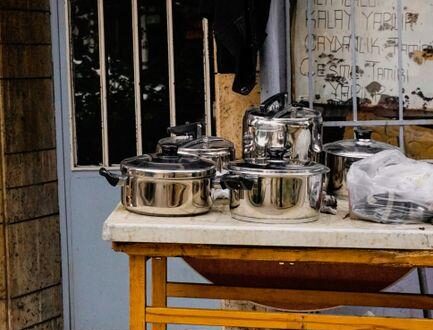
When it comes to crafting culinary masterpieces in the kitchen, the right tools can make all the difference. Among these tools, cookware stands out as a hero, adn in recent years, non-stick pans have soared to the forefront of many home chefs’ must-have lists. Their promise of effortless food release, rapid clean-up, and versatility makes them a staple in kitchens around the world. But with an overwhelming array of options on the market, how do you choose the best non-stick pan for yoru cooking needs? In this comprehensive review, we will delve into the ultimate selection of non-stick pans, exploring their features, benefits, and potential drawbacks. Whether your a novice looking to upgrade your essentials or a seasoned chef in search of the perfect addition to your kitchen arsenal, join us as we navigate the world of non-stick cookware to uncover the top contenders that will elevate your culinary experience.
Table of Contents
- A Deep Dive into Non-Stick Technology and Its Benefits
- comparing Materials: Ceramic, Teflon, and More
- Top Picks for Every Kitchen: Our comprehensive Reviews
- Maintenance Tips to Extend the Life of Your Non-Stick Pans
- Q&A
- Insights and Conclusions

A Deep Dive into Non-Stick Technology and Its Benefits
No products found.
Non-stick technology has transformed the way we cook, making meal preparation easier and cleanup much simpler. Traditional pans can often require excessive oil or butter, but non-stick surfaces allow food to slide off effortlessly. This innovative coating not only enhances your cooking experience but also encourages healthier eating by reducing the amount of fat needed for frying. popular materials for non-stick cookware include Teflon, ceramic, and anodized aluminum, each providing unique characteristics and advantages depending on your cooking style.
When choosing non-stick pans, consider their durability and heat tolerance. Some coatings can wear down over time, leading to a less effective non-stick surface. Look for options that are PFOA-free and designed to withstand higher temperatures, ensuring longevity and safety. Additionally, many non-stick pans are compatible with metal utensils, offering versatility in your kitchen. investing in high-quality non-stick cookware can elevate your home cooking, making it both enjoyable and healthier.
Comparing Materials: Ceramic, Teflon, and More
No products found.
When comparing materials used in non-stick cookware, ceramic and Teflon are two common options that stand out. Ceramic pans are known for their eco-friendliness and non-toxic properties, making them a favorite among health-conscious cooks. They can handle high heat and offer a slick surface, which means minimal sticking and easy cleanup. Though, they can be prone to chipping and may not last provided that their Teflon counterparts if not cared for properly.Teflon, on the other hand, has a long history of being a reliable non-stick option, due to its smooth surface that ensures food easily slides off. It also generally allows for lower cooking temperatures, which can be a benefit in maintaining the food’s texture.
Another vital factor to consider is durability. While ceramic looks great and is often available in vibrant colors, it may not be as resilient to metal utensils. Teflon is usually more scratch-resistant if you choose a high-quality option with reinforced coatings. When selecting between these materials, think about your cooking habits and what matters most to you-sustainability or longevity. If you frequently stir or use metal cookware, you might lean towards Teflon to prevent wear and tear. Ultimately, choosing the right non-stick pan can enhance your cooking experience, ensuring easy release and less mess.
Top Picks for Every Kitchen: Our Comprehensive Reviews
No products found.
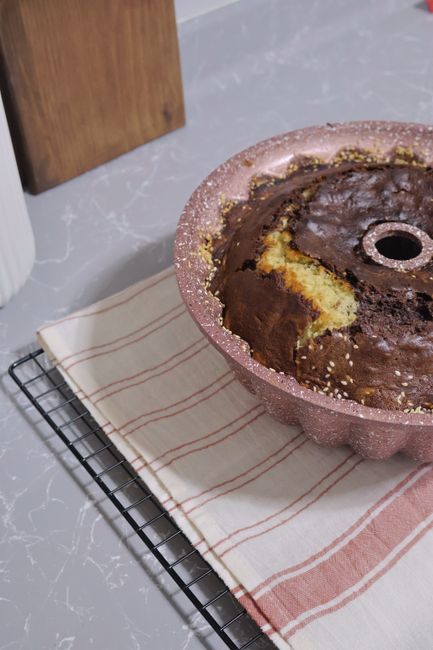
When it comes to choosing the best cookware,especially non-stick pans,you’ll wont to consider various factors that enhance your cooking experience. Non-stick pans offer several advantages,such as easy food release and quick cleanup,making them a staple in many kitchens. Look for pans made with durable coatings that resist scratching. heavy-gauge materials help with heat distribution, ensuring your food cooks evenly. A well-designed handle that stays cool to the touch will also improve your cooking safety and comfort.Additionally, it’s vital to think about the size and shape of the non-stick pans you need. Do you frequently fry eggs or sauté vegetables? A smaller, skillet-style pan might be perfect. If you’re aiming to whip up family-sized meals,consider larger frying pans or griddle options. Always verify that the pans are dishwasher-safe for your convenience. With these tips in mind, you’re set to discover the top-rated non-stick pans that fit your kitchen needs.
Maintenance Tips to Extend the Life of Your Non-Stick Pans
No products found.
To extend the life of your non-stick pans, it’s essential to follow some simple maintenance tips. First, always use utensils made from wood, silicone, or plastic to avoid scratching the non-stick surface. Metal utensils can easily damage the coating, leading to food sticking and reduced durability. When cleaning your pans, opt for a soft sponge or cloth instead of abrasive scrubbers. This gentle approach will preserve the non-stick layer and keep your cookware looking great for years to come.
Another key tip is to avoid overheating your non-stick pans. High temperatures can break down the coating, compromising its effectiveness. Instead, cook on medium or low heat and allow the pan to preheat gradually. Additionally, store your non-stick pans with care; placing a soft cloth or paper towel between them can prevent scratches. By following these maintenance tips, you can ensure your non-stick pans provide excellent cooking performance for a long time.
Q&A
Q&A: The Ultimate Non-Stick Pan Review
Q1: What is the primary focus of this review on non-stick pans?
A1: This review serves as a comprehensive guide to the best non-stick pans currently available. It evaluates various brands and models based on performance, durability, safety, and ease of cleaning, ensuring you find the perfect fit for your kitchen needs.
Q2: What should I look for in a quality non-stick pan?
A2: When selecting a quality non-stick pan, consider several key factors: the coating material (like Teflon or ceramic), the pan’s construction (aluminum, stainless steel, or hard-anodized), heat conductivity, oven safety ratings, and whether the pan is dishwasher safe for easy cleanup.
Q3: Are non-stick pans safe for cooking?
A3: Yes, most modern non-stick pans are safe for cooking when used correctly. Look for products that are PFOA-free and made from high-quality materials. It’s essential to follow the manufacturer’s guidelines regarding heat settings and utensils to maintain the pan’s integrity and ensure safety.
Q4: Can non-stick pans go in the oven?
A4: It depends on the specific non-stick pan you choose. Many are designed to withstand oven temperatures up to 400°F,but it’s crucial to check the manufacturer’s instructions.pans with plastic or rubber handles might not be oven-safe, while those made of metal or silicone typically are.
Q5: What maintenance is required for non-stick pans?
A5: To maintain your non-stick pan, avoid using metal utensils that can scratch the surface. Instead, opt for wooden, silicone, or plastic utensils. Handwashing with mild soap and a soft sponge is recommended, even if the pan is labeled dishwasher-safe, to prolong its life.
Q6: How do different non-stick coatings compare in terms of durability?
A6: Non-stick coatings vary significantly in durability. Traditional Teflon coatings can wear out over time and under high heat, while ceramic coatings are generally praised for better heat resistance and scratch resistance. However, they may not last as long as hard-anodized or premium non-stick options.
Q7: How do I determine the right size non-stick pan for my cooking needs?
A7: The right size non-stick pan often depends on what you’ll be cooking. A smaller 8-inch pan is ideal for frying eggs or sautéing small portions, while a larger 12-inch pan is better for family meals, stir-fries, or larger recipes.Consider your cooking habits and kitchen storage when making your choice.
Q8: Are there any environmental considerations when choosing a non-stick pan?
A8: Yes, some non-stick pans are more environmentally kind than others. Look for brands that use eco-conscious materials or manufacturing processes. Additionally, choosing pans that are free from harmful chemicals and are recyclable at end-of-life can contribute to a more sustainable kitchen practice.
Q9: What is the price range for a good non-stick pan?
A9: Quality non-stick pans can range from as low as $20 to over $150, depending on the brand, materials used, and special features. It’s essential to strike a balance between price and quality, choosing a pan that fits your budget while also meeting your cooking needs.
Q10: Where can I find recipes that are suitable for non-stick pans?
A10: Many online cooking platforms and apps offer a variety of recipes tailored for non-stick cookware. You can also find cookbooks dedicated to non-stick cooking, which emphasize techniques that take advantage of the easy-release properties of non-stick surfaces, optimizing your culinary experience.
This Q&A format provides readers with a concise understanding of the key aspects of non-stick pans, enhancing their decision-making process while maintaining a neutral and informative tone.
Insights and Conclusions
As we wrap up our exploration of the best non-stick pans on the market, it’s clear that the right cookware can transform your cooking experience. From scrumptious omelets to flawlessly seared vegetables, a high-quality non-stick pan can make all the difference in your culinary pursuits. With so many options available,remember to consider your cooking habits,kitchen space,and personal preferences when choosing the perfect fit for your home.
Ultimately, investing in a reliable non-stick pan isn’t just about convenience; it’s about enhancing your love for cooking and the joy of sharing delicious meals with family and friends.So,equip yourself with the right tools and let your culinary creativity soar. Happy cooking!