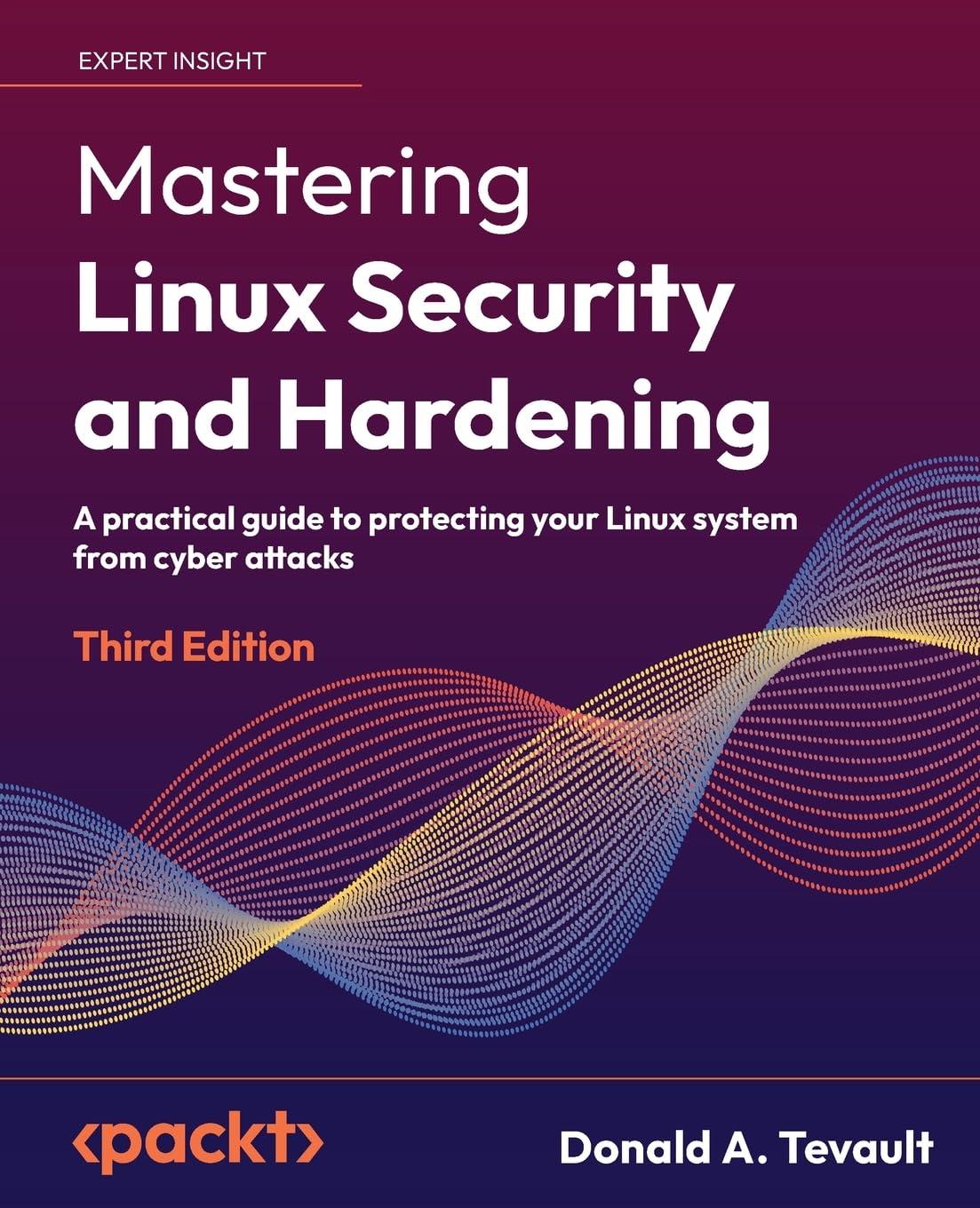
In today’s digital landscape, securing our linux systems is no longer just an option-it’s a necessity. For many of us, Linux isn’t just an operating system; it’s the backbone of our servers, a vital tool for growth, and a platform for our innovative ideas. But with the rise of cyber threats, understanding how to effectively protect our systems has become paramount.That’s where “Mastering Linux Security and Hardening: A Practical Guide to Protecting Your Linux System from Cyber Attacks” comes into play.
In this complete review, we will dive deep into the third edition of this essential resource.Having explored its pages,we found ourselves equipped with practical knowledge and skills to bolster our security posture against potential intruders and malware attacks. this new edition doesn’t just skim the surface; it offers detailed insights into enhancing the Linux security framework,utilizing the latest technologies associated with Ubuntu and almalinux.
From setting up a practice lab to configuring firewalls and automating system audits, the book is packed with actionable techniques that cater to a wide range of users-whether you’re a seasoned Linux administrator, a system engineer, or even a security consultant looking to enhance your skill set. We’ll share our firsthand experiences, key learnings, and how the knowledge we’ve gained can not only protect our data but also empower us to navigate the complexities of Linux security with confidence. Join us as we unravel what makes “Mastering Linux Security and Hardening” a must-read for anyone serious about safeguarding their systems from increasingly sophisticated cyber threats.
Table of Contents
Exploring the essentials of Linux Security and Hardening
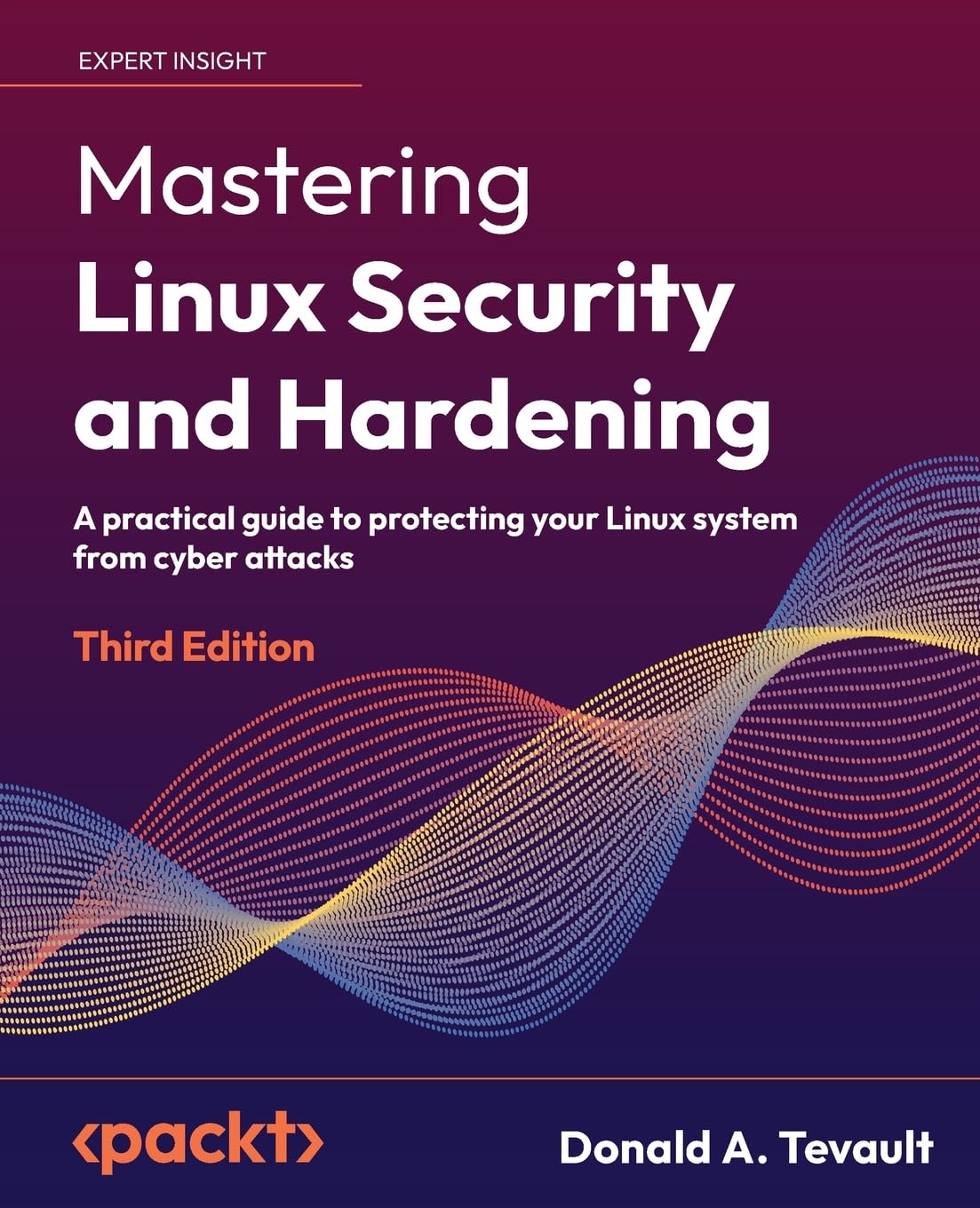
When we dive into the world of Linux security, having the right resources is crucial. That’s where this practical guide comes in handy. With a focus on protecting our Linux systems from cyber attacks, this book offers us a thorough understanding of essential techniques and strategies required for hardening our systems. We gain insights into various linux security measures, delivering real-world applicability that we can immediately put into practice. The straightforward language and structured approach make it accessible, even for those of us who have been in the field for a while.
Throughout the book, the author shares practical examples and relatable use cases, allowing us to explore critical topics without feeling overwhelmed. We learn about setting up firewalls,managing user permissions,and securing sensitive data-all pivotal aspects of maintaining a robust operating habitat. We appreciate the humor sprinkled throughout, too. It’s clear the author understands our struggles with security, and it makes the read feel less like a chore and more like a conversation among friends trying to navigate complex systems together.
Real-world insights resonate with our experiences, echoing many of the challenges we’ve faced in security engineering.The discussions offer deeper context for the security measures we frequently enough take for granted. While Linux is a secure platform by nature, we discover how to amplify these defenses and tailor them to our specific environments.This resource feels like having a mentor guiding us through the scenarios we might encounter-it’s not just about theory; it’s about creating applicable knowledge that integrates with our unique situations.
as we look at securing our Linux systems, this guide stands out as a valuable investment. The price point is reasonable and offers unbelievable value for the depth of information presented.We’re left with actionable steps to enhance our Linux environments alongside newfound knowledge. It’s reassuring to know we have a reliable reference at our fingertips for future security ventures.
Ultimately, this book is more than just a technical read; it’s an invitation to join a community of like-minded professionals dedicated to mastering Linux security and hardening.Ready to improve our security foundations? We can jump right in and make our systems stronger and more resilient.


Unveiling the Features that Set This Guide Apart
When we dive into “Mastering Linux security and Hardening,” it’s clear that this guide is packed with essential features that distinguish it from the plethora of linux security books available today. One of the standout attributes is the comprehensive nature of its content. The book provides a practical framework to secure your Linux systems from a variety of cyber threats, including malware and unauthorized access.It decodes complex security concepts into easily digestible insights, making it suitable for both seasoned Linux administrators and those looking to level up their security skills.
With hands-on techniques laid out clearly, we can explore how to set up a practice lab, manage user privileges, and protect sensitive data through permission settings and encryption. This practical approach allows us to not just learn theoretically but also to apply these skills directly to our systems. The updated information on modern firewall technologies and the inclusion of tools like security Onion for intrusion detection make this guide incredibly relevant. It’s like having a security expert guide us through the complexities of Linux hardening in a conversational tone.
The insights provided in each chapter resonate with real-world experiences. We appreciate that the author, Donald, infuses humor and relatability into the content while dishing out valuable advice. Donald’s knack for weaving personal anecdotes into technical guidance enriches the reading experience. This balance of knowledge and personality creates a straightforward, relatable read that doesn’t skimp on depth. We often find ourselves learning something new or reevaluating our current security strategies as a result.
Another notable feature is the structured layout of the book, which avoids the chaos found in many multi-author publications. As a singular voice,Donald ensures clarity throughout,making it easy to follow along.We love how concepts build upon each othre, culminating in a well-rounded understanding of both foundational and advanced security practices. Whether we are securing administrative accounts or implementing mandatory access control, this guide equips us with the knowledge to confidently enhance our Linux systems’ security posture.The depth of knowledge shared in “Mastering Linux Security and Hardening” makes it a must-have for anyone serious about Linux security. It’s not just a book; it’s a comprehensive toolkit that transforms how we approach system hardening. By focusing on clear explanations and practical applications, we gain all the skills necessary to defend our systems against today’s cyber threats. If enhancing our security approach is the goal, this guide is the companion we’ve been waiting for.
Diving Deeper into Practical Applications and Techniques
When we dive deep into the practical applications and techniques outlined in the book, we find a treasure trove of insights designed to bolster Linux security. This guide offers straightforward procedures that are not only effective but also cater to our varying levels of experience with Linux. With hacking attempts and malware threats becoming more sophisticated, getting hands-on with the security principles taught in this resource is pretty much essential for anyone managing a Linux system.
One standout aspect here is the way the author tackles complex security principles. We love that techniques like setting up a firewall or managing permissions are broken down into manageable steps. He doesn’t just tell us what to do; he shows us how to do it effectively. Imagine configuring your firewall or adjusting user account privileges. Thanks to the practical examples and straightforward instructions, we’re able to replicate these strategies with ease and modify them as necessary for our own environments.
Another great feature is the inclusion of modern technologies and practices. we can utilize tools like openscap for system hardening and auditd for vulnerability scanning. Those of us who have struggled with other technical books will appreciate how cohesive and well-structured this one is. The insights here don’t feel disjointed, and the author’s humor makes the reading enjoyable, which is often a rarity in technical volumes.
For anyone stepping up their Linux security game, implementing these techniques promises to strengthen our defenses against cyber threats substantially. the practical techniques laid out provide a clear path to securing Linux systems while also allowing space for real-world submission. It’s like having a knowledgeable friend guide us through a tricky landscape, making complex ideas accessible and actionable.
Recommendations for Enhancing Our Linux Security Strategy
When we think about fortifying our Linux security strategy, one resource that stands out is the book we’re discussing today.It dives deep into practical techniques that help us bolster our defenses against cyber threats. Armed with insights from “Mastering Linux Security and Hardening,” we can implement essential strategies that immediately boost security and protect our systems. By embracing this comprehensive guide, we can ensure our Linux environment is robust and prepared against potential intruders and malware attacks.
The book walks us through creating user accounts with appropriate privilege levels, which is crucial for securing our systems. We’ll learn how to set up firewalls with the latest technologies and how to apply encryption to protect sensitive data. This practical knowledge not only enhances our operational security but also ensures that we have a solid understanding of each component that makes up our security posture. Understanding these mechanisms is notably critically important in today’s cybersecurity landscape, where threats evolve rapidly, requiring us to stay a step ahead.
As we gain confidence in our Linux security approach, utilizing tools like `sudo` and exploring advanced audit techniques can elevate our overall strategy.The author’s straightforward style makes it easy for us to grasp complex concepts. This book serves as a valuable reference for revisiting various topics when we need to, making it easier to adapt our methods based on evolving threats. Furthermore, setting up local certificate authorities and automating system audits are crucial skills that empower us to maintain strong defensive measures over time.
Ultimately, enriching our security strategy through the insights found in this guide positions us to tackle current and future challenges head-on. It encourages a proactive approach, giving us the tools to not only react to issues but also to prevent them from arising. As we work our way through the material, we can share knowledge within our teams, fostering a culture of security awareness that is vital to our success.
By implementing the recommendations and techniques outlined in this guide, we can create a Linux environment that is not just secure but also resilient.It’s about taking those steps today to prepare for the uncertainties of tomorrow, ensuring that we maintain integrity and confidentiality across all systems.
Reflecting on Our Journey Towards a More Secure Linux Environment
As we delve deeper into the realm of Linux security, it’s clear that protecting our systems is more critical than ever.With the ever-evolving landscape of cyber threats, the need for reliable guidance has become paramount. That’s where Mastering Linux Security and Hardening comes in. This book not only serves as a practical guide but also reflects our journey toward achieving a more secure environment.
In tackling modern challenges, we appreciate how this guide covers a wide array of security techniques tailored for various scenarios. From preventing malware infections to securing sensitive data, it breaks down complex concepts into actionable insights. Whether we’re setting up user accounts with appropriate privilege levels or configuring firewalls, the book provides relatable use cases that we can easily implement or adjust to suit our specific needs.
What stands out to us is the author’s casual but knowledgeable tone, making this technical material accessible. There’s an authenticity in the way he shares his experiences, often sprinkling humor throughout complex topics. It’s not just about dry facts; we find ourselves engaged and nodding along, frequently enough reminded of our own encounters in the field. This book encourages us to think critically about our strategies while keeping things practical.
As we reflect on our progress in securing Linux systems, it’s evident that this guide will be a cornerstone in our cybersecurity toolkit. While Linux provides a robust security foundation out of the box, this book elevates our understanding and helps us implement advanced safeguards. it’s a treasure trove of information that encourages continuous learning and growth in our cybersecurity journey.
For anyone assembling their own Linux library, we can’t recommend this resource enough. With practical applications and a wealth of knowledge, it truly stands out as a must-have for those looking to enhance their security practices. Let’s invest in our journey towards a more secure Linux environment and take on those cyber threats with confidence.
Customer Reviews Analysis
Customer Reviews Analysis
As we gathered insights from various customer reviews of Mastering linux Security and Hardening, a clear picture emerged regarding the strengths and weaknesses of this guide. We found that users, particularly those with technical backgrounds, generally express a high level of satisfaction with the content, while also providing constructive feedback for enhancement. Below,we’ve summarized the sentiments and key themes that stood out across multiple reviews.
strengths
- Depth of Content: Many users noted that the book provides in-depth knowledge and practical applications, setting it apart from other technical volumes that often lack substance.
- Relatable Writng Style: The author, Donald, has been praised for his engaging commentary and humor that resonates with readers who have real-world experience in security engineering.
- Value for Intermediate Users: reviewers highlighted that the book is tailored for intermediate users, offering valuable insights and use cases that can be implemented or adapted easily.
- Coherency and Structure: We noted that the book’s singular voice and organized layout impressed many readers, especially compared to other titles that often suffer from disjointed writing.
Areas for Improvement
- Missing topics: Some reviewers pointed out the absence of information on specific subjects, such as Secure Boot keys and bootloader signing, indicating a gap in the comprehensive coverage.
- Target Audience: While the book is well-received, it’s clear that a solid understanding of both Linux and security concepts is necessary, which may deter complete beginners.
Overall Sentiment
our analysis shows a strong consensus among customers that Mastering linux Security and Hardening is a valuable resource for those looking to enhance their knowledge of Linux security. The mix of technical rigor and approachable language makes it a noteworthy addition to any technical library.
Summary of Customer Ratings
| Aspect | Positive Feedback | Constructive Criticism |
|---|---|---|
| Content Depth | Excellent reference resource | Consider including more topics |
| Writing Style | Engaging and humorous tone | Could be challenging for beginners |
| Practical Application | Relatable use cases for immediate application | Must have prior knowledge for best use |
| Organization | Well-structured and coherent | None mentioned |
Mastering Linux Security and Hardening emerges as a highly recommended text among cybersecurity aficionados, particularly for those who are looking to deepen their understanding and practice in Linux security.
pros & Cons
Pros & Cons of mastering Linux Security and Hardening
Pros
- comprehensive coverage: The book covers a wide range of topics, from setting up a practice lab to advanced security measures like kernel hardening.
- Updated Content: As the third edition, it includes the latest security measures and tools relevant to modern Linux distributions, specifically Ubuntu and AlmaLinux.
- Practical Focus: It emphasizes hands-on techniques, ensuring that readers not only learn theoretical concepts but also apply them effectively.
- bonus Features: The inclusion of additional resources, such as a PDF copy, an AI assistant, and a next-gen reader, enhances the learning experience.
- Expert Author: Authored by experts in the field, ensuring reliability and depth in the information provided.
Cons
- Requires Prior Knowledge: A working experience with the Linux command line is necessary, which may alienate beginners.
- Lengthy Material: At 618 pages, it can be overwhelming for readers looking for quick references or a condensed version of security practices.
- Complexity: Some advanced topics may be challenging for users without a strong background in system management or cybersecurity.
- Limited Focus on Non-Linux Systems: While it’s excellent for Linux systems, those looking for a broader perspective on cybersecurity across platforms may find it lacking.
- Rapidly Evolving Field: Cybersecurity is a fast-paced area, and some information may become outdated quickly, requiring readers to stay updated beyond the book.
Summary of Pros & Cons
| Pros | cons |
|---|---|
| Comprehensive coverage of security topics | Requires prior knowledge of Linux |
| Updated information and tools | May be overwhelming due to length |
| Practical, hands-on techniques | Complex for beginners |
| Bonus resources included | Limited to Linux systems only |
| Authored by cybersecurity experts | Information may quickly become outdated |
In this “Pros & Cons” section, we’ve highlighted the strengths and weaknesses of *Mastering Linux Security and Hardening*, providing our readers with a balanced perspective on the book’s offerings. The use of HTML and CSS classes ensures it is easily integrated into a WordPress blog post for a visually appealing layout.
Q&A
Q&A Section: Mastering Linux Security Review
Q1: Who is this book intended for?
A1: “Mastering Linux Security and Hardening” is designed for Linux administrators, system administrators, and network engineers who work in moderate to complex Linux environments. It’s also an excellent resource for security consultants aiming to enhance their Linux security skills. If you have a working knowledge of the Linux command line and package management, this book is right up your alley.
Q2: What topics are covered in the book?
A2: The book covers a plethora of essential topics, including setting up a practice lab, securing user accounts, managing file and directory permissions, configuring firewalls, SSH hardening, kernel configuration, and applying security auditing techniques. You will also learn about advanced concepts like Mandatory Access Control with SELinux and AppArmor, malware protection, vulnerability scanning, and intrusion detection with Security Onion.
Q3: Is prior experience with Linux necessary to benefit from this book?
A3: Yes, we recommend having prior experience with the linux command line and basic package management to fully grasp the concepts covered in the book. The material can be quite technical, so familiarity with Linux systems will certainly enhance your understanding.
Q4: What are some practical skills I can expect to learn?
A4: You can expect to learn how to prevent unauthorized access to your Linux systems, set up secure user accounts with adequate privilege levels, harden your server’s SSH settings, audit system security, and implement effective firewall configurations. These skills will empower you to safeguard your Linux environment against various cyber threats.
Q5: Is the information up to date with the latest technologies?
A5: Absolutely! The third edition of “Mastering Linux Security and Hardening” incorporates the latest security measures, techniques, and best practices relevant to the newest versions of Ubuntu and AlmaLinux. You’ll find updated information on current technologies and practices that reflect the ever-evolving landscape of cybersecurity.
Q6: Does the book provide practical exercises or labs?
A6: yes, the book emphasizes practical application by guiding you in setting up a practice lab. We appreciate how it allows readers to engage with real-world scenarios, which helps solidify the concepts learned throughout the text.
Q7: Are there any additional resources included with the book?
A7: Yes, with your purchase, you get a PDF copy, access to an AI assistant, and a next-gen reader.these resources complement the book and enhance your learning experience by providing interactive and supplementary materials.
Q8: What do customers think about this book?
A8: With a customer rating of 4.9 out of 5 stars from over 100 reviews, it’s clear that readers find immense value in the book. Users often praise its depth of content, practical advice, and comprehensive coverage of security techniques for Linux systems.
Q9: how long is the book, and will it take a long time to read?
A9: The book spans 618 pages, so while it’s comprehensive, we like to think of it as a detailed guide that you can reference as needed. Depending on your pace,you may spend significant time going through it,but it’s structured in a way that allows for easy navigation to specific topics.
Q10: How can I purchase the book?
A10: You can easily purchase “Mastering Linux Security and Hardening” from major online retailers, including Amazon. You might also want to check out the publisher, Packt Publishing, for any special offers or bundles.
We hope this Q&A has helped clarify some of your questions about ”Mastering Linux Security and Hardening.” If you have any other inquiries, feel free to reach out or share your thoughts!
Reveal the extraordinary
As we wrap up our review of ”Mastering Linux Security and Hardening,” it’s clear that this book stands out as an essential resource for anyone serious about protecting their Linux systems from cyber threats. With its comprehensive guide to the best practices in security, from setting up firewalls to hardening administrative accounts, it equips us with the knowledge and tools necessary to build resilient environments against intrusions and malware.
This third edition is refreshingly up to date, offering techniques and insights that are crucial for tackling today’s cybersecurity challenges. We believe that whether you’re a seasoned Linux administrator or just starting your journey in system security, this book lays a robust foundation that will only bolster our confidence in managing and securing our systems.
So, as we conclude our exploration of what this invaluable guide has to offer, we invite you to take the next step in mastering your Linux security. Embrace the knowledge within these pages and transform your ability to safeguard your digital assets.
Ready to enhance your cybersecurity skills? dive into the book today! Mastering Linux Security and Hardening awaits your exploration. Let’s secure our systems together!