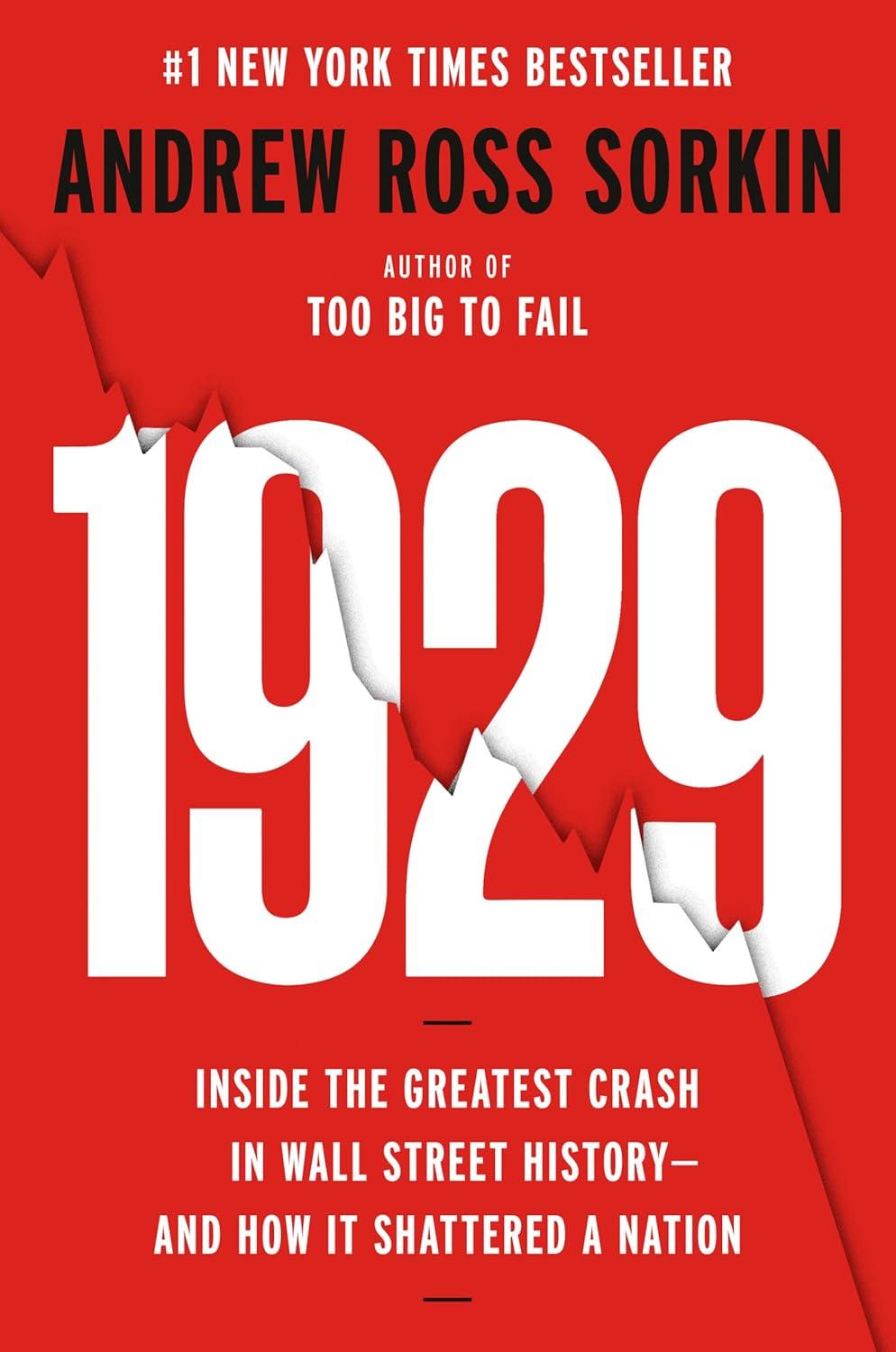
As we dig deeper into the intricate tapestry of financial history, we find ourselves drawn to pivotal moments that have defined and reshaped our society. One such moment is captured in andrew Ross Sorkin’s compelling work, “1929: Inside the Greatest Crash in Wall Street History–and How It Shattered a Nation.” Since its debut as a #1 New York Times bestseller, this book has garnered acclaim as a landmark narrative that plunges us into the chaos of the Great Depression’s onset.
In the pages of this meticulously researched account, we are taken behind the scenes of the infamous stock market crash of 1929-a moment that sent shockwaves through the global economy and continues to resonate in our current financial landscape. Sorkin’s immersive storytelling brings to life the vivid characters and dramatic turns of events that played out against the backdrop of a booming market’s sudden descent into despair. As we navigate the rich ancient context of greed, ambition, and denial, we cannot help but draw parallels to the present day, where echoes of the past seem alarmingly familiar.
Join us on this journey as we explore how “1929” not only illuminates the financial follies of yesteryear but also serves as a crucial blueprint for understanding the recurrent cycles of speculation and the warning signs we often overlook. With insights that buzz with urgency, this book invites us to reflect on our own relationship with risk and ambition in the ever-evolving world of finance. Let’s uncover together what makes this narrative a must-read for anyone seeking to grasp the complex interplay between power, psychology, and the unpredictable nature of markets.
Table of Contents
Our Journey Through the Pages of History

As we dive into the world of historical narratives,it’s hard not to feel the weight of moments that shaped our lives. The events of 1929, remembered for one of the most significant stock market crashes in history, loom large, casting long shadows over economic and societal structures even today. the book offers us a front-row seat to that tumultuous time with vivid storytelling that brings history to life. We find ourselves not just reading about numbers and charts, but about the people-visionaries and dreamers-whose ambitions skidded on the roads of unforeseen disaster.
One of the striking features of the narrative is how we navigate through the emotional landscape of those involved. We’re not fed a dry, academic account but rather a richly woven tapestry of stories that pull us in. Sorkin has done an impressive job removing the veil of jargon that often clouds financial writng. Instead of feeling like passive observers, we’re swept up in the human dramas of 1929, which resonates in today’s world where the allure of rapid gains often overshadows prudence.
Throughout our reading, we feel a deep connection to the unfolding drama, as Sorkin crafts this narrative with insights that invite reflection. There are lessons hear about the debt, greed, and the fragilities of trust in financial systems. Each character, whether it’s a high-flying speculator or cautious banker, reminds us that history is not merely a sequence of facts but a series of decisions made by flawed individuals. We can’t help but draw parallels to current economic uncertainties, prompting us to consider, have we truly learned from their mistakes?
the rhythm of Sorkin’s prose makes the learning process both enjoyable and compelling. We find ourselves thinking about the implications of unchecked ambition and the consequences of ill-informed decisions. As we journey through the darkness of the 1929 crash, we see echoes of modern financial dilemmas that urge us to reflect on our own economic behaviors. This is not just about understanding the past, but also about revealing truths that echo into our present, offering us clues about our future.
Exploring the Depths of the Great Crash
We’ve all heard whispers about the Great Crash of 1929, but diving into the details really paints a different picture. “1929: Inside the Greatest crash in Wall Street History” takes us beyond the headlines and into the lives of those involved. as we flip through the pages, I can’t help but feel the weight of despair and hope intertwined in a tumultuous era. The book isn’t simply a collection of facts; it feels personal. It connects us to the emotions of those living through the greatest financial disaster in American history.
Sorkin does a masterful job unveiling the complexity of the events leading up to that fateful day in October. He weaves together stories of ambition and desperation, taking us into the offices and homes of both the affluent and the struggling. We meet titans of industry and everyday workers, all grappling with their fates. There’s no sugarcoating here; the narratives are raw, resonating with our own fears and dreams. As we read, we start to understand what drove people to make decisions that would leave a lasting mark on the nation. sorkin makes us feel like we’re not just observers but participants in this historical replay.
The writing style is so accessible that we forget we’re learning about economics. Sorkin steers clear of jargon, allowing everyone-whether you’re a Wall Street expert or a casual reader-to follow along easily. There’s a depth to the storytelling that captures our attention without overwhelming us. We might think we know how the story ends, but Sorkin keeps us captivated with the rich details and the emotional weight carried by each character. It’s a narrative that you feel more than you analyze, and it’s hard not to reflect on how these lessons echo through our own lives today.
Ultimately, this book serves as a stark reminder that history is not merely dates and events; it’s steeped in the very human experiences of loss, greed, and resilience. As we turn the pages, we uncover the psychological landscape of those who dreamt big and fell hard. It encapsulates an era when the impact of financial folly reverberates profoundly, drawing parallels with our current landscape filled with its own set of complexities and challenges. “1929” is more than just a nostalgic retelling; it’s a wake-up call, urging us to recognize the fragile threads on which our economic systems balance.
We feel compelled to recommend this gripping read. It not only enlightens us about the past but also serves as a cautionary tale for the present. If you want to understand the nuances of human behavior in the face of economic calamity, you should absolutely check it out.
Unveiling the Characters and Their Choices
The characters involved in the 1929 stock market crash read like a vivid tableau of ambition, desperation, and flawed humanity. each one made choices, deeply influenced by their circumstances and the broader financial landscape. As we dive into this historical narrative, we uncover the motivations that drove these individuals-visionaries pushing the limits and speculators blinded by a seemingly unstoppable tide of euphoria. This book does an extraordinary job of peeling back the layers on these characters, revealing not just their decisions, but the very essence of their humanity and the complex nature of their choices.
One standout aspect from our reading experience is how the author, Andrew Ross Sorkin, seamlessly intertwines the personal stories of these larger-than-life figures with the mechanics of the financial system.We get to witness how ambition can turn into obsession, as key players ignore warning signs in favor of maintaining an illusion of success. The narrative captures the thrill of soaring stock prices, the thrill that’s often equated to the American Dream. Yet, at the same time, we hear the ominous undertones and snapshots of people caught in the web of debt, illustrating their plight as they gamble on a precarious future. It’s a compelling reminder that behind every financial trend, there are lives-in this case, nearly shattered by the fleeting nature of prosperity.
What’s particularly engaging for us is how Sorkin avoids heavy financial jargon, making these historical accounts accessible. He reminds us that understanding the past is often about connecting with the people involved rather than just the monetary details. We find ourselves rooting for some of these characters while simultaneously shaking our heads at the naive choices made. It’s a rich tapestry woven with individual stories that culminate in one of America’s darkest economic moments, reminding us all too clearly that history has a way of repeating itself.
In digging deeper into these choices, we see the warning signs that were, regrettably, overlooked-echoes that resonate with current financial trends and personal choices we face today.The lesson is clear: the choices made in moments of recklessness can have far-reaching consequences. Just like the fallout from the 1929 crash reverberated through the economy for generations, we also feel the effects of modern-day financial choices being made in what often feels like a never-ending cycle of risk and reward. As we reflect on these stories, we gain insight into how power dynamics and personal ambition play out, shaping not only individual destinies but the very fabric of society itself.
Together, we’re taken on a journey that doesn’t just recount history but also prompts us to think critically about the choices we make every day-both in finance and in life. It emphasizes the importance of understanding historical narratives and the personalities behind them as we navigate our present-day challenges.
Lessons Learned: Insights from the Past
Exploring “1929: Inside the Greatest Crash in Wall Street History” feels like unearthing a treasure trove of insights. This book dives deep into the chaos that characterized one of the most pivotal moments in financial history. We gain unparalleled access to the fears and hopes of individuals caught in the whirlwind of that era. We can understand how markets can soar to unimaginable heights only to crash down, leaving devastation in their wake. Through Andrew Ross Sorkin’s narrative, we learn that behind the numbers, there were real lives, emotions, and consequences that resonated far beyond a mere financial crisis.
One of the striking lessons highlighted is the idea of risk and reward. Many individuals gambled their fortunes, believing they were part of an endless bull market. We can reflect on this collective delusion, which teaches us about the psychology of investing. The book portrays how greed and the allure of quick wealth can lead to catastrophic decisions. As we analyze these human behaviors, we may realize their echoes in today’s financial landscape and the perils of living beyond our means. Just like those in 1929,many of us today frequently enough forget that markets are cyclical,and what goes up can come down just as rapidly.
Moreover, the narrative emphasizes the importance of regulatory frameworks.The aftermath of the crash brought about key reforms such as the Glass-Steagall Act, which separated banking activities. This brings us a critical reminder; government safeguards are essential to maintain stability and protect consumers. Understanding these lessons empowers us as citizens and investors. Sorkin’s work isn’t merely historical; it serves as a cautionary tale about the balance between freedom in markets and the necessity of oversight.
In essence, this remarkable account serves as a mirror reflecting our present. We find ourselves amidst discussions about debt and economic resilience,reminiscent of the times leading up to the great Depression. The parallels between then and now prompt us to question whether we are repeating the same mistakes. Within these pages, there’s an invitation for introspection about our financial behaviors and policies. We can embrace the lessons learned to arm ourselves against potential future crises.
So, as we close the book, we’re left not just with historical knowledge but with reflections on our own choices and governance. “1929: Inside the Greatest Crash in Wall Street History” provides a vivid reminder that while we may never fully escape our past, we do have the power to shape our future based on its lessons.
Our Recommendations for Future Readers
For those seeking a captivating dive into a pivotal moment in financial history, of ‘1929: Inside the Greatest Crash in Wall Street history’ resonate profoundly. This meticulously crafted narrative offers us more than just the facts of the infamous stock market crash; it provides a lens into the human experiences behind that tumultuous time. Andrew Ross Sorkin skillfully weaves together the stories of countless individuals, shedding light on their hopes and fears during a period of uncertainty. We believe that anyone interested in understanding the complexities of economic failure-and the personal stories intertwined with it-will find this book rewarding.
This is not just a recount of numbers and charts; it captures the emotional landscape of a nation on the brink. We appreciate how Sorkin avoids heavy financial jargon, making it accessible for those who may not precisely be finance aficionados.The strong storytelling draws us in, letting us feel the panic of traders as they scrambled to react to the market’s freefall.Ultimately, we suggest this book for readers of all levels; whether you’re a historian, a finance nerd, or simply a curious mind, there’s something in Sorkin’s narrative for everyone.
Moreover, the parallels between the events of 1929 and today’s financial world are striking, making this a timely read for anyone navigating the complexities of modern economics. The lessons learned from this extensive flashback into history are critical today. We feel that understanding the drivers behind the crash-like the excessive leverage and consumer debt-can provide insights into our current financial landscape. For us, this knowledge is not just relevant for financial literacy but also for personal financial decision-making.
We wholeheartedly recommend that every reader approach this book with an open mind and an eagerness to learn. The texture and detail of the human lives involved resonate throughout every chapter and serve as a powerful reminder of the emotional stakes in financial upheavals. With that said, we urge future readers not to shy away from exploring the intricate, often chaotic world of 1929-it’s a journey well worth taking.
Customer Reviews Analysis
Customer Reviews Analysis
As we delve into our exploration of “1929: Inside the Greatest Crash in Wall Street History–and How It Shattered a Nation,” it’s evident from the reviews that this book resonates with a variety of readers.The narrative weaves together human experiences,economic realities,and historical significance,culminating in a rich tapestry of insight into one of the most pivotal moments in American history.
Key Themes from Customer Feedback
| Theme | Description |
|---|---|
| Human Perspective | Many reviewers appreciate the focus on personal stories and the human impact of the financial crisis. |
| Detail vs. Narrative | While some enjoy the intricate details, others feel overwhelmed and prefer a more concise recounting of events. |
| Relevance to Today | Readers note striking parallels between the economic climate of 1929 and contemporary financial challenges. |
| Accessibility | the writing style is recognized as clear and engaging,making complex topics accessible to all. |
Reader Sentiments
Feedback from our fellow readers reveals a mixture of admiration and critique. Many commend the author’s ability to bring to light the emotional and social dimensions of the era, while maintaining an informative stance free from harsh judgement. one reviewer succinctly noted, “the writing is crisp and clean,” which we wholeheartedly agree with. This approach seems to bridge the gap between financial analysis and compelling storytelling.
However, it’s important to acknowledge the voices that found themselves lost in the book’s extensive detail. Some expressed a desire for a narrative that emphasized the broader strokes rather than the intricate backgrounds of the individuals involved. This balance between detailed storytelling and accessible narrative remains a point of discussion among readers.
Conclusion
“1929: Inside the Greatest Crash in Wall Street History” clearly leaves a significant mark on its audience. Whether you are captivated by historical intricacies, searching for parallels in today’s financial landscape, or simply eager for a well-crafted narrative, this book promises to deliver. We echo the sentiments of readers who highly recommend it-not only as a historical recount but as a vivid reminder of the lessons that are still crucial in today’s economic habitat.
Pros & Cons
Pros & Cons
As we delve into “1929: Inside the Greatest Crash in Wall Street History,” it’s essential to weigh both the strengths and weaknesses of this captivating narrative.Below, we present a balanced overview to help guide your decision on whether to add this book to your collection.
| Pros | Cons |
|---|---|
| Engaging narrative: Sorkin crafts a vivid story that reads more like a thriller than a typical history book. | Lengthy: At 592 pages, it might potentially be a commitment for casual readers or those with limited time. |
| Richly Detailed: The book provides extensive research and newly uncovered documents, offering deep insights into the events of 1929. | Complex Concepts: some financial terminologies may be challenging for readers without a background in economics. |
| Relevant Lessons: Sorkin draws parallels between the events of 1929 and today’s financial landscape, providing valuable takeaways. | Potential Bias: As with any historical account, there might potentially be interpretations that align more closely with Sorkin’s perspectives. |
| Highly Acclaimed: The book has received numerous accolades, highlighting its importance in economic literature. | Less Focus on Personal Stories: While it covers significant figures, some readers may want more personal narratives over economic analysis. |
“1929: Inside the Greatest Crash in Wall Street History” is a compelling read for those interested in economics, history, and the intricate dance of financial markets. While there are a few drawbacks, the book’s strengths far outweigh them, making it a worthwhile addition to our reading lists.
Q&A
Q&A Section for “”
Q1: What makes “1929: Inside the Greatest Crash” a unique read compared to other economic history books?
A1: This book stands out due to Andrew Ross Sorkin’s immersive narrative style. He combines thorough research, including newly uncovered documents, with gripping storytelling, making the complex events surrounding the 1929 market crash accessible and engaging. Unlike many dry academic texts, Sorkin’s approach highlights the human drama behind the figures, featuring visionaries and fraudsters alike.This is not just a recount of events; it’s a captivating story that resonates with today’s economic climate.
Q2: How does the book relate to current economic events?
A2: We found that Sorkin skillfully draws parallels between the 1929 crash and today’s financial landscape. The book serves as a blueprint for understanding the cycles of speculation and the psychological factors that drive market behavior. Given the economic tensions we see today, the lessons from the past are laid bare, demonstrating how history tends to repeat itself if warning signs are ignored.
Q3: Is this book suitable for readers who are not familiar with economic history?
A3: Absolutely! While readers with a background in economics will appreciate the detailed analysis, Sorkin’s narrative makes the book engaging and accessible for anyone interested in understanding a crucial moment in history. The storytelling approach helps to demystify complex financial concepts without overwhelming novices. We believe that both seasoned historians and casual readers will find value in Sorkin’s tale.
Q4: What type of audience would benefit most from reading this book?
A4: This book will appeal to a wide range of audiences. Economic students and professionals will benefit from its thorough insights, while general readers interested in history, politics, and finance will appreciate the dramatic narrative. Additionally, those concerned with current economic trends will find the lessons from the 1929 crash particularly relevant.
Q5: How does “1929: Inside the Greatest Crash” compare to Sorkin’s previous work, “Too Big to Fail”?
A5: “1929” can be seen as a thematic continuation of Sorkin’s previous work, “Too Big to Fail,” where he explored the 2008 banking crisis. While ”Too Big to Fail” focuses on a more recent financial calamity, “1929” offers a historical perspective that informs our understanding of modern economic crises. Both books showcase Sorkin’s knack for storytelling, revealing deep insights into the world of finance and the human elements that drive it.
Q6: What are some key takeaways from the book?
A6: Throughout our reading, we noted several key takeaways: the psychology of market behavior, the importance of heeding financial warnings, and the role of human ambition-both positive and negative-in shaping economic outcomes. The book serves as a reminder of the delicate balance between prosperity and peril within the financial world, illustrating how greed and naivety can lead to devastating consequences.
Q7: Is there anything about the book that readers should be cautious of?
A7: While we thoroughly enjoyed the book, readers should be aware that it is quite dense at times, with detailed accounts that might require concentration. The depth of historical context may also provoke reflections on present-day financial institutions and practices, which can be unsettling for some. Though,we view this as a necessary confrontation with reality rather than a drawback.
Q8: Would you recommend “1929: Inside the greatest Crash” to others?
A8: Without a doubt. We highly recommend this book to anyone interested in exploring the intricacies of financial history and its lasting impacts on society. Sorkin’s narrative not only entertains but also educates, prompting important discussions about our economic future. It’s a significant read that not only highlights past mistakes but also encourages vigilance for the future.
Embody Excellence
As we wrap up our exploration of “1929: Inside the Greatest Crash in Wall Street History,” it’s clear that Andrew ross Sorkin has crafted a narrative that not only recounts the events of that fateful year but also resonates profoundly with our contemporary financial landscape. This is more than just a recounting of a historical market crash; it is a compelling examination of ambition, folly, and the human condition that echoes through the generations.We have found this book to be an essential read for anyone interested in how economic history shapes our present and influences our future. Its blend of meticulously researched facts and gripping storytelling compels us to reflect on the cyclical nature of markets and the importance of vigilance against the seductive lure of financial booms.
If you find yourself intrigued, we encourage you to delve into this landmark work and uncover the lessons Sorkin has unearthed. The insights within might just prove invaluable as we navigate the complexities of today’s economic environment.Ready to take the plunge? Discover more about this remarkable book here: 1929: Inside the Greatest Crash in Wall Street History.