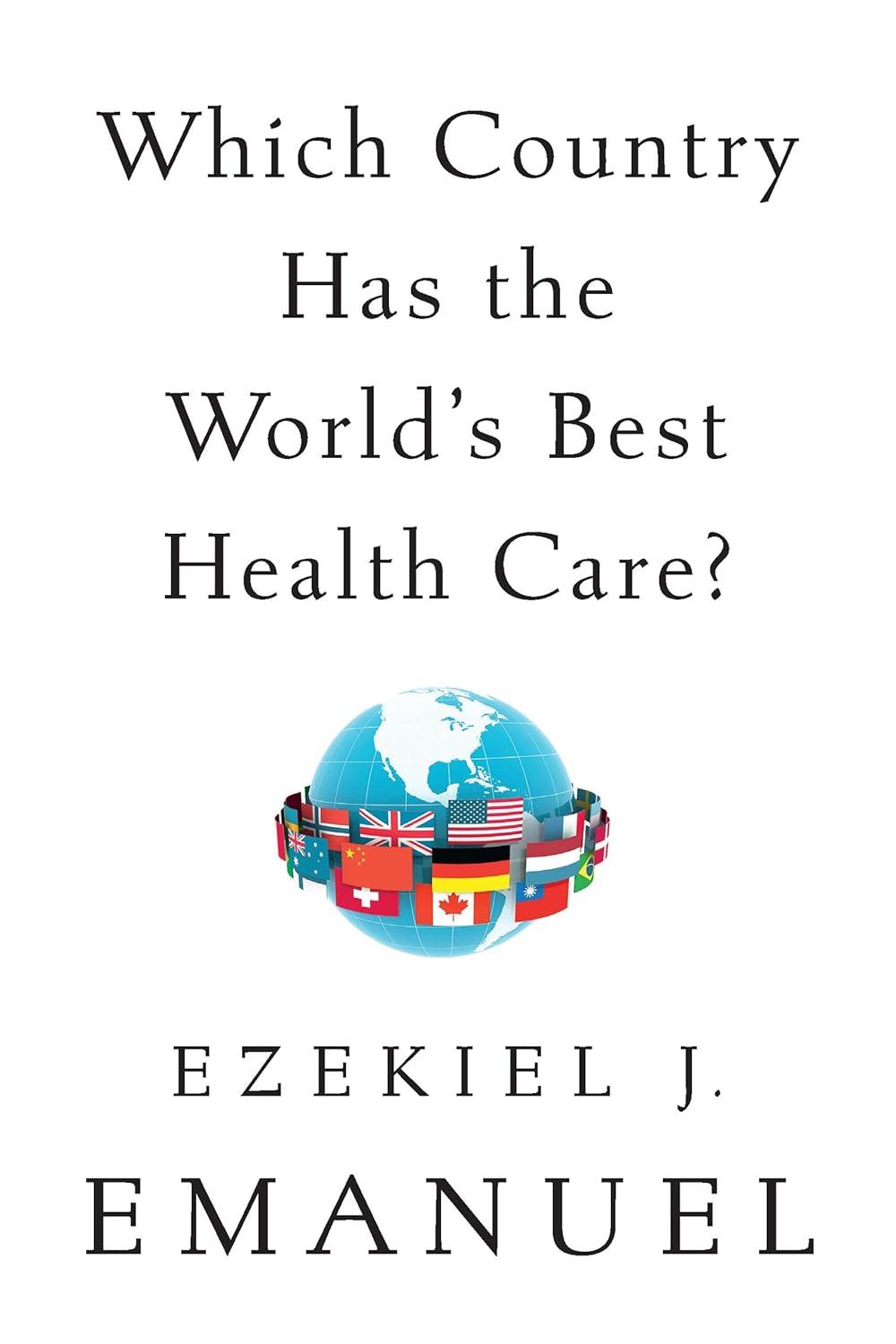
In our increasingly interconnected world, health care remains a critical topic, ofen sparking passionate debate adn diverse opinions. As we strive to understand the nuances of various international health care systems, we stumbled upon a compelling publication that promises to shed light on this complex issue: “Which Country Has the World’s Best Health Care?” by Dr. Ezekiel J. Emanuel.
With an extraordinary background as a leading doctor and health policy expert, Dr. Emanuel embarks on an enlightening journey through the health care landscapes of eleven countries, including our own, the United States. This book offers not only a ranking of these systems but also a critical analysis that reveals how various countries tackle their unique challenges. From the strengths and weaknesses of Germany’s abundance of hospital beds to France’s innovative approaches to chronic illness care, we find ourselves immersed in a treasure trove of insights.
We have delved into the depths of this 512-page exploration, eagerly uncovering lessons that can be learned from the successes and struggles experienced worldwide, notably considering the recent COVID-19 pandemic. Join us as we reflect on Dr. Emanuel’s findings and discuss the implications for health care in our lives, what we can learn from others, and the sometimes surprising outcomes of this global investigation into the best health care systems. Let’s dive in!
Table of Contents
exploring the Global Health Landscape

When we’re looking at healthcare systems around the globe,it’s easy to think about who’s number one. But, as we delve into the book “Which Country Has the World’s Best Health Care?”, we find out that there isn’t a single best healthcare system. Instead, we see a nuanced comparison of various countries and how they each tackle health care delivery. The insights provided by Dr. Ezekiel J. Emanuel help us understand where systems excel and where they fall short. This makes for a interesting exploration of the global health landscape.
Dr. Emanuel carefully analyzes the health systems of eleven countries,including the U.S., Canada, and several European nations, as well as China and Taiwan. Each system is assessed on key factors like how inclusive it is indeed, the financing methods, and the out-of-pocket costs for patients. We get a clear picture of what it means to provide health care,not just from a theoretical perspective but from a practical standpoint. He outlines common challenges faced across borders, including the rising costs of care and effective management of chronic conditions. These insights really resonate with us as we consider how diffrent approaches can lead to varying health outcomes for citizens.
What’s truly engaging is the way each country’s healthcare system is placed under the microscope. For instance,we discover that countries like Sweden and Germany have effectively found strategies to control healthcare costs while ensuring wider access. On the flip side, the United States, despite its high expenditure on healthcare, struggles with inefficiencies that leave many underserved. The methodical breakdown of each healthcare system ultimately provides a wealth of knowledge that can inspire necessary reforms, not only here in the U.S. but globally.
As we read through the book, we find Emanuel not only presents facts but also draws lessons that coudl be informative for policymakers looking to improve their own systems. For instance, the emphasis on universal coverage and the importance of mental health services hit home for many of us. It’s clear that learning from each other’s healthcare journeys is crucial if we want to tackle the pressing health issues we face today. When we see the strengths and weaknesses laid out so clearly, we’re left motivated to push for better health care outcomes, both locally and globally.
this exploration into the global health landscape is insightful. It compels us to rethink what we certainly know about our own systems. By learning from both the successes and failures of other countries, we can start envisioning a better future for healthcare. Armed with knowledge from “which Country Has the World’s Best Health Care?”,we’re sure to engage in discussions that matter,inspiring change that has the potential to make a important positive impact.
Unpacking Essential Features of Healthcare Systems

When we delve into the groundbreaking book by Ezekiel J. Emanuel, we quickly realize the fascinating nuances hidden in each country’s healthcare system.The essential features of global healthcare are laid out in a way that draws us in. We find ourselves exploring how health systems operate in countries like Canada, Germany, and Taiwan, among others. Emanuel’s unique examination highlights what makes each system effective and what challenges persist. This wealth of information truly paints a vivid picture of healthcare as a vital part of our global society.
One of the standout aspects is the consistent use of eight topics for assessment across these countries, which helps us see complexities and challenges side by side. As we read about the history, financing, and delivery of healthcare in these nations, we start to understand the underlying structures that dictate healthcare quality and accessibility. For instance, Emanuel’s insight about the significant differences in patient out-of-pocket expenses is enlightening. This aspect raises crucial discussions about what equitable access truly looks like in different parts of the world.
Moreover,the data on how each system manages chronic illnesses and mental health services is remarkably revealing. As we dive deeper, we can’t help but contemplate the implications for our own healthcare landscape. Emanuel also discusses the universal challenges that confront all healthcare systems, providing a common thread that unites our experiences, such as the rising costs and the need for efficient care. It’s a stark reminder that while systems vary, the core issues we face worldwide stem from shared human experiences.
As we navigate through Emanuel’s findings,we find ourselves contemplating not just what makes a system great,but how we can implement some of these successful strategies back home. This book serves as more than just an informative read; it’s a call to action. For all of us who engage with health policy, the lessons outlined provide a pathway to explore possible improvements. It makes one wonder; with the right changes, can we create a healthcare system that we’re truly proud of?
Diving Deep into Our Findings and Insights

, we’ve explored a significant topic that hits home for many: health care systems around the world, particularly analyzing which country offers the best. In “Which Country Has the world’s Best Health Care?” by Ezekiel J. Emanuel, we navigate through a comprehensive evaluation of twelve health care systems including the US, Canada, the UK, and others. Each system is meticulously assessed on various dimensions like service coverage, financing methods, and medication regulation. This breakdown isn’t just academic; it reflects real-world implications that can inform policy discussions and personal perspectives on health care.one of the key insights we gleaned from the book is that while no nation has the perfect health care system, some clearly perform better than others.Emanuel’s team reviewed eleven countries focusing on how each one handles critical topics including the efficiency of care and the quality of pharmaceuticals. This comparative analysis helps us understand the multi-faceted challenges each system faces,from rising health care costs to the complexity of care delivery. As readers, we find ourselves reflecting on our own experiences and the overarching impact of these findings on global health discussions.
Every chapter offers us a deeper understanding of the nuances that make each country’s health care distinct. As an example, the book highlights not just how services are provided but also challenges such as the rising costs of pharmaceuticals and the treatment of chronic illnesses, which are universal issues across these nations. Engaging with this content prompts a conversation about what America can learn from these models to improve its health care delivery. Emanuel doesn’t just leave us with criticisms; he breaks down actionable lessons that the U.S. could adopt to enhance its health care landscape, making these insights practical and relevant for readers.
The conversations stirred up by Emanuel’s analysis will resonate with a diverse audience-from policymakers to everyday citizens striving to understand the complexities behind health care decisions. His approachable writing makes complex data digestible, and invites us to ponder the effectiveness of prevailing policies. As we dive into this insight-packed book, we can’t help but think about the shared goals of improving care access, reducing costs, and enhancing the overall health of populations across the globe.
the findings and insights presented in this thoght-provoking book challenge us to rethink health care effectively and illuminate paths for advancement. By understanding the strengths and weaknesses of various systems, we can be part of the conversations and actions needed to reshape our own health care framework. It strikes us that even as individuals navigating the health sector, there’s much we can learn from the global landscape, and that’s where the real value lies.
Comparative Analysis of Best Practices Worldwide

The comparative analysis of global healthcare systems reveals fascinating insights into how different nations manage their health services. by closely examining various models, we can gain a better understanding of what works and what doesn’t. The text “Which Country Has the World’s Best Health Care?” serves as an excellent resource to dive into this topic. With an incisive look into the healthcare systems of eleven countries-including the United States, Canada, and several European and Asian nations-we find that while no system is flawless, some clearly excel in specific areas.
One standout feature of the book is its structured approach to evaluating each system through eight specific topics. this enables us to grasp the complexities of financing, service delivery, and the population coverage each country manages. Such as, by comparing the Universal Health Care models of Canada and Norway to the more market-driven system in the United States, we can see tangible differences in patient outcomes and cost efficiency. Emanuel’s research shows us that some countries face universal challenges-like rising pharmaceutical prices-while others, unique to their systems, hinder potential improvements.
As we digest the lessons derived from these evaluations, we’re encouraged to consider what the United States can learn from other nations. emanuel outlines six critical lessons that could herald essential changes to American healthcare, emphasizing aspects such as universal coverage and simplified systems. These insights don’t just serve as theoretical musings; they are actionable recommendations that bear great relevance to ongoing healthcare discussions.
By reflecting on these global best practices, we begin to envision a more effective, equitable healthcare landscape.It’s clear from the communication within the text that while there is no outright “best” system, there’s much we can adopt from our international neighbors. As we explore this realm, understanding these comparative analyses will undoubtedly enhance our perspective on health services and perhaps guide reforms that improve access and quality for all.
Our top Recommendations for Optimal Health care Choices
When it comes to making optimal health care choices, we often wonder which country has the world’s best health care. The book that dives deep into this question is a remarkable read for anyone interested in global health systems. Written by Ezekiel J. Emanuel, M.D., it’s a comprehensive analysis of how different nations manage their health care. With our diverse experiences and questions about health policy, we turned to this insightful exploration that covers eleven countries, including the United States, Canada, and several european and Asian nations. The well-researched insights offered by Dr. Emanuel make it an essential read for those navigating health care decisions.

The standout feature of this book is its detailed examination of health care systems around the world. Each chapter focuses on a specific country, analyzing critical areas like coverage, financing, and service delivery. We appreciate how Dr. Emanuel lays out the history behind each system, the challenges they face, and the successes they’ve achieved. This clarity helps us understand not only the systems but also our own-prompting us to think critically about how we can improve our health care approaches. The consistent methodology employed throughout allows for easy comparisons, giving us a clearer view of what works and what doesn’t in health care across different cultures.
What’s remarkable is how the author does not shy away from addressing the flaws in each system. While no health care system is perfect, the book explores how these countries manage cost, coverage, and quality. We found it particularly valuable that the author identifies universal challenges such as rising pharmaceutical costs and accessibility, which effect all nations. This broad perspective invites us to reflect on what we can learn and apply to our own health care habitat. Plus, the engaging writing style keeps us turning the pages, even when dealing with complex topics.
One of the most impactful aspects of this book is that it isn’t merely a description of global systems; it offers actionable lessons that we can consider applying in our own health landscape. As we navigate discussions about health care in our communities and with policymakers,the insights from Emanuel’s analyses lend credibility to our conversations. His lessons on universal coverage and better primary care emphasize points we frequently enough overlook in casual discussions about health care reform. These points resonate with us, encouraging us to advocate for solutions that could enhance accessibility and affordability in our own country.
for those seeking a rounded understanding of global health systems, this book is a treasure trove of information. It empowers us to reflect on our health care and encourages dialog on what improvements can be made towards a more cohesive and effective system. We wholeheartedly recommend this insightful work to anyone looking to grasp the complexities of health care around the world. Ready to gain a deeper insight? Buy Now on Amazon
Customer Reviews Analysis

Customer reviews Analysis
In our exploration of “Which Country Has the World’s Best Health Care?” by Ezekiel J. Emanuel, we gathered a range of customer reviews that shed light on the readers’ perspectives and insights regarding this informative work.Below, we summarize the key themes and insights from these reviews.
General Impressions
Many readers agree that Emanuel’s book presents a well-researched and thorough analysis of varying health care systems worldwide. A recurring sentiment among reviewers is the depth of research and clarity with which each country’s health care system is assessed. The concept that no country can claim to have the “best” system, yet some are notably better in specific areas, resonates well with our audience.
Educational Value
Numerous reviews emphasize the educational value of the book, particularly for those working in the healthcare sector. The detailed framework used by the author provides insights into how health care systems operate, the challenges they face, and what can be learned from each. One reader illustrated this by stating the book offers “a good overall summary of how several high-income countries organize, finance, and manage their health care systems.”
Comparative Insights
Reviewers appreciate the comparative analysis, especially the fact that Emanuel carefully analyzes eleven countries covering a broad spectrum of health care systems. The methodical breakdown allows readers to grasp the complexities involved in health care provision. As one reviewer pointed out, “the author criticizes the United States for having the most complex and expensive,” while also acknowledging that other countries share similar complexities, albeit to a lesser degree.
Accessibility vs.Depth
While many praise the book’s thoroughness, some readers note that its academic tone can make it challenging for casual readers. The opinions vary widely-from those who found the detailed data “informative and consistent,” to others who described the reading experience as “a slog,” particularly at the beginning. This highlights a balance we see often in densely packed non-fiction: the need for depth versus the desire for engaging prose.
User-Centric Lessons
Readers found the actionable “lessons” from Emanuel’s research-particularly regarding the U.S.health care system-particularly valuable. the lessons proposed, such as ensuring universal coverage and improving primary care, sparked discussions on the potential reforms necessary within the American health care landscape. One reviewer expressed that the author provides “crucial distinctions pointing to who has the best efficiency,” which could inform future policy debates.
Comprehensive but Challenging
Ultimately, Emanuel’s book is lauded for its breadth and depth, even if some of its prose requires patience. The consensus seems to be that while the book serves as a critical resource for policy makers and healthcare professionals, it does not shy away from tough truths about all health care systems, including the complexities of the U.S. model.
Summary of key Themes
| Theme | Summary |
|---|---|
| Educational Value | Strong insights on health care systems, particularly beneficial for healthcare professionals. |
| Comparative Analysis | Thorough examination of eleven countries serves to highlight strengths and weaknesses. |
| Accessibility | Dense but informative; may pose challenges for casual readers. |
| Actionable Lessons | Offers practical insights for improving the U.S. health care system. |
we find that “Which Country Has the World’s Best Health Care?” provides a valuable resource for understanding the complexities of global health care systems while sparking critical conversations about health care reform. Our readers have voiced a collective gratitude for its in-depth analysis, even as they navigate the density of its research.
Pros & Cons
Pros & Cons of ”Which Country Has the World’s Best Health Care?”
In our exploration of Ezekiel J. Emanuel’s insightful examination of global health care systems, we’ve identified a number of pros and cons that make this book stand out. Here’s what we found:
| Pros | Cons |
|---|---|
| Comprehensive analysis of 11 countries’ health care systems, providing a broad perspective. | The book may feel overwhelming due to the sheer amount of information presented. |
| Written by an authoritative figure in health policy, enhancing credibility. | Some readers might find the technical jargon challenging without a background in health policy. |
| Addresses both successes and failures in each system, offering a balanced view. | Specific focus on the flaws of the American system may come off as repetitive. |
| Includes a relevant discussion on COVID-19 responses, making it timely. | As there are no perfect systems, some might feel dissatisfied with the conclusions drawn. |
| Engaging writing style that keeps the reader informed and entertained. | Potential bias may arise from the author’s personal experiences and views on health care reforms. |
we believe that “Which Country Has the World’s Best Health Care?” is a valuable read for anyone interested in understanding the intricacies of health care systems worldwide, even if it has its share of drawbacks. Balancing these pros and cons can help us appreciate the lessons that each country offers in the quest for better health care.
Q&A
Q&A section:
Q: What is the primary focus of the book by Ezekiel J. Emanuel?
A: In “Which country Has the World’s Best Health Care?”, Dr. Ezekiel J. Emanuel meticulously examines eleven different health care systems around the globe, including the United States, to determine which provides the best overall care. By analyzing factors such as accessibility, quality, and costs, he aims to uncover the lessons we can learn from each system.
Q: Why does the author believe the United States does not have the best health care?
A: Dr. Emanuel argues that while the United States boasts advanced medical technology and expertise, it falls short in terms of equitable access to care for all its citizens. He emphasizes that disparities exist across the fifty states, leading to inconsistencies in health outcomes and overall system performance.
Q: How does this book help us understand global health care systems?
A: The book serves as a valuable guide by not just ranking health care systems, but also by providing a detailed analysis of what each country does well and where they struggle. This comparative approach allows us to learn from the successes and challenges faced by various nations, especially in areas like chronic illness management and mental health care.
Q: Were there any surprising findings in dr.Emanuel’s analysis?
A: Yes, the book highlights that no health care system is perfect, which can be an eye-opener for readers. For instance, while Germany may have an abundance of hospital beds, it faces challenges in the efficient distribution of care. Similarly, France, despite having a high-quality health care system, struggles with managing chronic conditions effectively. These insights illustrate the complexity of health care on a global scale.
Q: Does the book address how health care systems adapted during the COVID-19 pandemic?
A: Absolutely! The coda of the book focuses specifically on the global handling of the COVID-19 crisis, offering a fresh perspective on how different countries’ health care systems responded to this unprecedented challenge.It highlights both triumphs and flaws, providing a real-time context for the capabilities of various health systems under pressure.
Q: Who would benefit from reading this book?
A: This book is a must-read for health care professionals,policy makers,and anyone interested in understanding how different countries tackle health care delivery. Additionally, it serves as an eye-opening resource for the general public, sparking critically important conversations about health care reform and equity.
Q: How does “Which Country Has the World’s Best Health Care?” rank among other health policy books?
A: As indicated by its rankings-#11 in Government Social Policy and #12 in Health Policy-it stands out as a significant contribution to the literature on health care systems. Its practical insights and thorough analysis make it a recommended read for anyone interested in health policy and reform.
Q: What do readers think about the book?
A: With an impressive average rating of 4.5 stars from over 330 reviews, readers generally find Dr.Emanuel’s insights both compelling and informative. Many praise his ability to break down complex health care issues and present them in an engaging and accessible manner.
Experience the Difference
As we wrap up our exploration of Ezekiel J. Emanuel’s comprehensive review of the world’s health care systems, it’s clear that the quest for the best health care is both complex and fascinating. Each country examined offers invaluable insights into its unique challenges and triumphs, reminding us that no system is flawless. Through comparative analysis, we’re equipped to reflect on our own health policies and seek solutions that prioritize the health of all citizens-after all, health care is a universal right.
Emanuel’s deep dive into eleven countries sparks important conversations about what we can learn from one another, especially in light of the evolving global health landscape. While the debate over which system ranks highest may continue, one thing is certain: understanding these differences empowers us to advocate for better health outcomes everywhere.
If you’re eager to delve deeper into the fascinating world of global health care and discover which country stands out as the best-along with the lessons they present for the rest of us-be sure to grab a copy of this thought-provoking book. Let’s continue the conversation about our health systems and strive for improvement together.
Discover “Best Health Care - Which Country Has the World’s Best Health Care?” here!