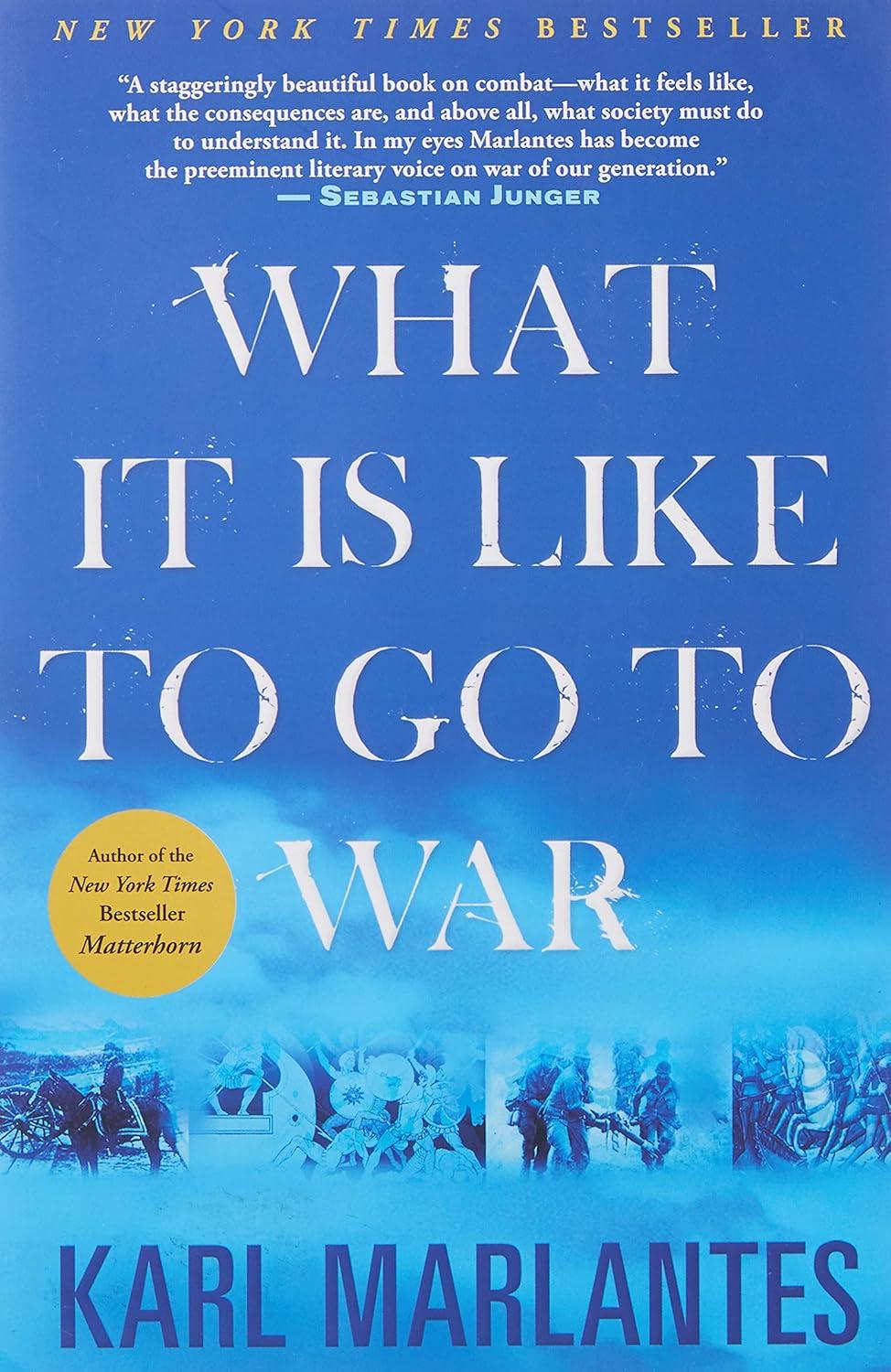
In a world where the realities of war are often sanitized or sensationalized, we came across Karl Marlantes’s profound work, What It Is Like to Go to War. This book, recognized as one of the best non-fiction titles of 2011, offers us an unfiltered lens into the chaos, camaraderie, and moral complexities that engulf soldiers on the battlefield. Both gripping and reflective,it intertwines personal narratives with a broader cultural critique,provoking us to consider not only the warrior’s experience but also our role in supporting them.
As we turned the pages, we found ourselves journeying alongside Marlantes-a Vietnam veteran-through the visceral experiences of combat that he recounts with brutal honesty. The book compellingly dissects how inadequately prepared our youthful soldiers are for not just the physical battles they face, but also the psychological and spiritual ramifications that follow. Through Marlantes’s reflections, we engaged with timeless literary references, from Homer’s epics to the spiritual wisdom of Jung, underscoring the age-old need for rituals and narratives to support warriors in their journey to and from war.
Join us as we delve into this significant work, exploring how Marlantes not only pulls us into the harrowing depths of battle but also illuminates the paths toward healing that must be forged in the wake of conflict. Whether you are a veteran, a family member of a service member, or simply a curious reader, we believe this book offers invaluable insights that resonate with the very fabric of our humanity.
Table of Contents
An Immersive Journey into the Reality of Combat

We all know war is brutal, but “What it is indeed Like To Go to War” takes that understanding to a whole new level. When we read this book, we’re not just skimming over statistics or historical accounts. Instead, we’re plunged straight into the visceral experience of combat. Written by Karl Marlantes, a decorated Marine, the narrative combines intense personal anecdotes with heartbreaking honesty. it’s an eye-opener that reveals the profound effects of war not just on soldiers but on families and society as a whole.
Through Marlantes’ eyes, we grasp what soldiers realy endure on the battlefield: the chaos, fear, guilt, and eventual return to a life that often feels alien and unwelcoming. We experience the raw emotions he felt as he navigated combat situations, made life-and-death decisions, and faced the very real consequences of those actions. It’s not just a series of events; it’s a deep exploration of a warrior’s psyche, showcasing how trauma reshapes thoughts, relationships, and ultimately, the soldier’s identity.
As we read, we may find ourselves reflecting on the morality of sending young men and women into war. Marlantes emphasizes that a soldier’s training doesn’t prepare them adequately for the psychological toll of killing or the aftermath of returning to civilian life. His account challenges us to think critically about our own perceptions of war, the cavalier attitude often displayed by leaders, and the desperate need for better mental health resources for veterans. It leaves us contemplating the broader impact of conflict-not just on the battlefield, but on the families waiting for their loved ones to return.Moreover, Marlantes makes significant points about the disconnect between military experiences and civilian understanding. His insights can help bridge that gap, providing a glimpse of what soldiers go through. This is crucial for anyone who might work with veterans or have loved ones who have served. Understanding this experience reminds us that the consequences of war ripple far beyond the front lines-sowing seeds of pain that can last a lifetime.Marlantes implores us to reevaluate our views on war and to demand more from our leaders. The book is a heartfelt call to action for parents, prospective soldiers, and anyone connected to the military. It encourages an honest dialog about the implications of combat, and ultimately, it’s a journey that demands our attention, reflection, and respect.
Unpacking the Powerful Features That Define Our Experience

When diving into What it is indeed Like To Go To War, we are immediately drawn into a world unlike any other.The author, a Marine Lt, provides us with a deeply personal account, transcending mere war stories to offer insights into both the mind and spirit of combatants. Throughout the pages, we are taken through the raw, often brutal realities of war and what it means for the warriors involved. Through Marlantes’ narrative, we experience a compelling blend of personal truth with universal themes. This book is not just about survival on the battlefield; it’s about the scars that follow and the struggles veterans face upon returning home.
One of the standout features of this book is its candid examination of the psychological toll of combat. Marlantes speaks from personal experience, sharing the burdens carried by soldiers and their families. We can relate to his exploration of the emotional ramifications of war, resonating with our understanding of how such experiences shape a person’s life.The author delves into complex topics such as guilt, honour, and the moral dilemmas faced in battle. It makes us reflect on the broader implications of warfare, not just for the soldiers but for society as a whole. This unique combination of reflection and vulnerability can ignite discussions about the responsibility we have towards our veterans and the importance of mental health support.
We appreciate how Marlantes goes beyond simply recounting his experiences; he provides a thorough framework for understanding the complexities of war.Each chapter examines different facets of the combat experience, from the act of killing to the nature of heroism. By incorporating philosophical references and historical texts, Marlantes enriches the narrative, helping us better understand the inner turmoil that accompanies service. It’s evident that this book aims to educate not just potential soldiers but also civilians, allowing us to grasp the weight that service members carry long after their duty ends.
Through our reading, we also gain insight into the rituals and teachings that prepare warriors for war, something that has seemingly faded away in modern times. Marlantes argues for a return to these practices, suggesting they could help mitigate the mental wounds left by combat. This strong advocacy for spiritual preparation resonates with us as we consider the impact of war on future generations. The author doesn’t shy away from expressing his opinions on the moral implications of sending young men and women to fight, nonetheless of the reasons behind such decisions. His sincerity brings a refreshing outlook to how society views military engagement.
Ultimately, this book entails a profound journey that necessitates reflection and conversation. As we delve into What It Is Like To Go To War, we are granted access to not just the experiences of a combat veteran but a broader discussion on war’s implications for humanity. Every page encourages us to ponder the true cost of conflict beyond what the headlines convey. if we are to truly understand the ramifications of war, both for veterans and the collective psyche of society, this book serves as a vital piece that brings us closer to that comprehension.
Understanding the Emotional Depth and Impact of War Stories
When we pick up “What It Is Like To Go To War,” we dive deep into the emotional labyrinth created by combat experiences. this book doesn’t just tell stories; it unearths feelings, truths, and trauma that resonate profoundly with those who have faced similar circumstances. We feel the weight of each word as it profoundly captures the complexities of war and its aftermath. One of the most striking aspects is its ability to make us empathize with veterans, especially those burdened by the silent screams of their past. It’s not just a narrative; it’s a connection to the human experience of loss,guilt,and resilience.
Marlantes speaks candidly about the psychological scars that many combatants carry and how their lives, alongside those of their families, are profoundly altered. As readers, we grapple with the consequences of these experiences, realizing that war doesn’t merely impact the soldier but extends its tendrils into the communities and families that await their return.In doing so, the book challenges our preconceived notions about what it means to serve and sacrifice, illustrating that the true cost of conflict often goes unseen and unacknowledged.
We also appreciate how the narrative weaves spiritual insights with practical advice for military leaders and service members, underlining the importance of mental health in warfare. The book encourages a dialogue about emotional preparation, emphasizing the need for warriors to confront their inner demons long before stepping onto the battlefield. What Marlantes conveys resonates with us as it’s a call to recognize and honor the humanity in everyone affected by war-be it soldiers, their families, or society as a whole.
Through these compelling insights, we are reminded that every individual has a story, and every story matters. By , we not only honor those who fought but also foster a greater awareness of the ripples that conflict creates in our world. We find ourselves thinking more deeply about our military involvement and the real reasons behind war,which is profoundly necessary in today’s conversations about global conflict. “What it Is Like To Go To War” is not just a recounting; it’s a reflective journey urging us to look beyond the battlefield and consider the emotional lives forever changed by warfare.
Exploring the Unique Perspectives Offered Through Engaging Narratives

is essential when it comes to understanding the human experience during war. In “What it Is Like To Go To War,” Karl Marlantes takes us on an emotional journey. We navigate through the intense psychological and emotional landscapes that soldiers confront before, during, and after combat. This book brilliantly humanizes the soldier experience,breaking down the complexities of warfare beyond just tactics and strategy. Marlantes’ vivid storytelling allows us to glimpse the fear, camaraderie, and moral dilemmas that come with the burden of carrying out orders in life-or-death situations.
Marlantes doesn’t just recount his experiences; he pulls us into his world. Each chapter immerses us deeper into combat-related topics like guilt and heroism. We resonate with Marlantes as he examines the internal struggles many might face. The way he weaves in quotes from historical texts enhances our understanding of these themes. It’s not just about the soldier but also about the families left behind and the society that sends them into battle. This book invites us to think critically about the lasting impact of war not only on the individuals directly involved but also on their loved ones.
Another outstanding aspect of the narrative is Marlantes’ approach to discussing combat terms and how they shape the warrior’s psyche. He emphasizes the spiritual and emotional preparation soldiers require. This message resonates deeply with those of us connected to military families. The book serves as both a cautionary tale and a guide. As we reflect on Marlantes’ insights,we acknowledge that awareness of the consequences of war extends beyond the battlefield. It involves recognizing and addressing the mental scars that soldiers carry home.
The narrative culminates in a profound reflection on the nature of war itself. The raging debates of ‘hawk versus dove’ find nuance in Marlantes’ voice, pushing us to reconsider our positions on war and military actions. By sharing his personal journey, he fosters empathy and understanding, ensuring we engage with the complexities of soldiering in ways that are often overlooked. Each perspective opens doors to conversations we need to have, and it is clear that Marlantes wants to facilitate these discussions.
This book is a heartfelt reminder of the personal and societal implications of war. it compels us to explore the ways we can better prepare our warriors, both mentally and morally. By offering perspectives that some leaders may shy away from, Marlantes urges us all to demand better understanding and action regarding those who fight for our freedoms. Engaging with his work means engaging with our shared humanity, especially in contexts often marked by detachment and indifference. Reading it isn’t just about understanding war; it’s about grasping the weight of its consequences for generations to come.
Our recommendations for Making the Most of This Profound Experience

Diving into “What it is indeed Like To Go To War” can feel like stepping into a world that’s both haunting and enlightening. To get the most from this book, it’s essential to approach it with an open heart and mind. We strongly encourage readers to commit to the experience. As we journey through Marlantes’s reflections, let’s take moments to pause and digest the intense emotions that arise. This isn’t just a war story; it’s a raw exploration of the human condition, the effects of conflict on the psyche, and the moral complexities faced by those in combat.
Engaging in discussions about the themes presented can deepen our understanding as well. Whether it’s with friends or through online forums, sharing thoughts can illuminate perspectives we might not consider alone. We suggest jotting down key points, emotions, or questions that surface while reading. These notes can serve as a personal reflection tool and foster greater conversation with others who resonate with the material. It’s in these exchanges that we truly begin to appreciate the weight of the topics Marlantes presents.
Moreover, if you’re connected to veterans or people involved with the military, we highly recommend broaching the subject of this book with them. Their perspectives can add layers to our insights and experiences. whether it’s listening to their stories or sharing what we’ve learned,creating space for dialogue will enrich our comprehension of the emotional toll of war and its aftermath. this book is an invaluable resource not just for future service members, but for anyone impacted by the ripples of warfare in society.
Ultimately, remember to approach the book not just as a reading task, but as an opportunity for growth. The themes of guilt, sacrifice, and the quest for meaning in trauma are profoundly relevant, helping us reflect on our own lives and the lives of those around us. We believe that immersing ourselves in this honest narrative can not only spark vital conversations about war but also inspire us to advocate for deeper understanding and compassion in our communities. So, let’s step forward together, fully embracing this profound experience.
Customer Reviews Analysis
Customer Reviews Analysis
As we delve into the customer reviews for What It Is Like To Go To War, it’s clear that the book resonates powerfully with readers, evoking a wide spectrum of emotions and reflections about war and its repercussions. Here, we summarize the key themes that emerged in the reviews, allowing us to better understand the impact this memoir has had on its audience.
Common Themes in Reviews
- Personal Connection: Many readers articulated a deep personal connection to the author’s experiences, often relating them to their own or their family’s history with conflict and its long-lasting effects.
- Insights on Mental Health: The book’s exploration of the psychological impact of war on veterans and their families was highlighted as especially valuable, with readers appreciating the author’s insights on coping mechanisms and mental health awareness.
- Critical Examination of War: Reviewers frequently praised Marlantes’ critical stance on the motivations behind war. Comments reflected a shared sentiment that war should be approached with caution, especially when it involves “the lives of our children.”
- Cautionary tone: The cautionary advice for prospective military recruits emerged as a critical message, with reviewers recommending the book as essential reading for those considering enlisting.
- Academic Appeal: Readers noted the book’s utility as a resource for psychologists and educators, emphasizing its potential to initiate discussions about the effects of trauma.
Review Highlights
| Reviewer Perspective | Quote |
|---|---|
| Veteran’s Child | “War truly is bad for children… the families and society in general pay a great cost.” |
| Civilian | “This book is designed to benefit both soldier and civilian…” |
| Psychologist | “It should be a MUST read for psychologists… dealing with the effects of extreme stress.” |
| Combat Veteran | “An eye-opener definitely, but more thought-provoking and reflective in nature.” |
| Political Leader | “A must-read for any leader of troops and all politicians.” |
Closing Thoughts
our analysis of customer reviews indicates that What it is indeed Like To Go To War serves not only as a memoir of the author’s own life experiences, but also as a crucial text for understanding the broader implications of war. It holds a mirror to societal attitudes towards conflict and challenges us to reconsider our perspectives on military service. The compelling narratives shared by readers reveal the book’s ability to bridge the gap between veterans and civilians, fostering empathy and awareness in the discourse surrounding war.
Pros & cons
Pros & Cons of “what It Is Like To Go To War”
As we reflect on Karl Marlantes’s powerful memoir,”What It Is Like To Go To War,” we believe it’s essential to weigh its strengths and weaknesses. This honest exploration of the complexities of combat provides readers with a unique perspective, but like any book, it has its pros and cons.
| Pros | Cons |
|---|---|
| Deeply Personal Insights – Marlantes draws upon his own combat experiences, giving readers a raw and emotional understanding of the psychological impact of war. | Challenging subject Matter – The heavy themes and intense narratives may not be suitable for all readers, particularly those sensitive to discussions of trauma and violence. |
| Rich Literary Analysis – The author’s inclusion of significant texts, from homer to Jung, enriches the narrative and offers profound reflections on the nature of war. | Potentially Dense – Some sections may feel heavy or philosophical, which could slow the pace for readers seeking a more straightforward narrative. |
| Critical Examination of Warfare – The book provides a thoughtful critique of how we prepare young soldiers for the battlefield, sparking necessary conversations on military training and support. | Narrow Focus – While the memoir is personal, it may not encompass the broader experiences of all veterans, leading to a less thorough view of the topic. |
| Accolades and recognition – receiving multiple accolades, such as inclusion in Amazon’s best books of 2011, speaks to the memoir’s impact and importance. | Lengthy Reflection – At 272 pages, some readers might expect a quicker read; the introspective nature could deter those looking for a fast-paced memoir. |
while “What It Is Like To Go to War” offers a compelling lens into the realities of combat, the nuances of its narrative might not resonate with every reader. however, for those willing to engage with its complexities, it serves as an invaluable resource that challenges us to think critically about the cost of war.
Q&A
Q&A Section for “What It Is Like To Go To War” review
Q: What inspired Karl marlantes to write this memoir?
A: Karl marlantes wrote “What It Is Like To Go To war” out of a profound need to address the unpreparedness of soldiers for the realities they face in combat. Drawing from his own experiences in Vietnam, he combines personal narrative with historical and philosophical insights to explore the psychological and spiritual challenges of warfare.
Q: How does Marlantes’ approach differ from traditional war literature?
A: Unlike many war books that focus solely on the action, Marlantes takes a more introspective route. He delves into the emotional and mental preparation-or lack thereof-faced by soldiers. His use of literature, religion, and ritual to frame his experiences and the broader implications of war sets this memoir apart as a thoughtful examination rather than just a recounting of events.
Q: What kind of readers would find value in this memoir?
A: We believe that a wide array of readers-those interested in military history, psychology, and personal memoirs-will find Marlantes’ narrative captivating. It offers insight not only for veterans and their families but also for anyone seeking a deeper understanding of the complexities of war and the human condition.
Q: Can you describe the writing style of the memoir?
A: Marlantes’ writing is vivid and evocative, seamlessly blending his gripping combat experiences with rich literary references. His narrative flows between personal anecdotes and broader reflections, creating an engaging reading experience that prompts us to reflect on the nature of warfare and its impact on individuals and society.
Q: What lessons can be drawn from “What It Is like to Go To War”?
A: The memoir serves as a poignant reminder of the sacrifices made by soldiers, emphasizing the need for society to better prepare them for both combat and reintegration into civilian life. Marlantes urges readers to acknowledge the psychological scars of war, advocating for understanding, support, and conversation around these vital issues.
Q: How has the book been received by critics and the public?
A: The memoir has garnered significant praise, earning spots on various best-of lists for 2011, including Amazon’s and The New yorker’s favorites. With an extraordinary average rating of 4.4 stars from over 1,800 reviewers, it’s clear that Marlantes’ work resonates deeply with many readers, compelling them to reflect on their perceptions of war.
Q: Is this book suitable for younger audiences?
A: While the memoir addresses critical themes related to war, violence, and psychological trauma, it’s best suited for older teens and adults. We recommend that younger readers approach it with guidance, as some content might be challenging or intense for them.
Q: How does “What It Is like To Go To War” contribute to our understanding of veterans’ experiences?
A: Marlantes provides a harrowing yet insightful look into the lives of veterans, challenging us to confront the truths about their psychological struggles post-combat. His exploration encourages ongoing dialogue about support systems and the societal responsibilities we hold towards those who serve.
Q: What can readers expect in terms of emotional impact?
A: we anticipate that readers may experience a wide range of emotions while navigating through marlantes’ portrayal of combat and its aftermath. Expect to feel a mix of sorrow, reflection, and a deeper recognition for the complexity of soldiers’ experiences. It’s a powerful read that is both heart-wrenching and illuminating.
Ignite Your Passion
As we wrap up our exploration of Karl Marlantes’s poignant memoir, *What It Is Like to Go to War*, it’s clear that this book is much more than a recounting of personal experiences in combat. It serves as a critical examination of the very fabric of war and its lasting impact on soldiers, their families, and society as a whole. As readers,we find ourselves not just consuming a narrative,but engaging in a dialogue with history,psychology,and our shared humanity.Marlantes’s powerful insights remind us that preparing our warriors requires more than just physical training; it calls for a deep understanding of the psychological and spiritual trials they face. His candid perspective makes this memoir an essential read for anyone who wishes to grasp the complexities of combat and its aftermath.
we encourage you to dive into *What It Is Like to Go to War* and discover its transformative messages for yourself. Whether you’re a seasoned reader of military history or just looking for a profound memoir, Marlantes’s work promises to resonate.
Don’t miss out on adding this impactful book to your collection. Click the link here to grab your copy today: What it is indeed Like to Go to War. Happy reading!