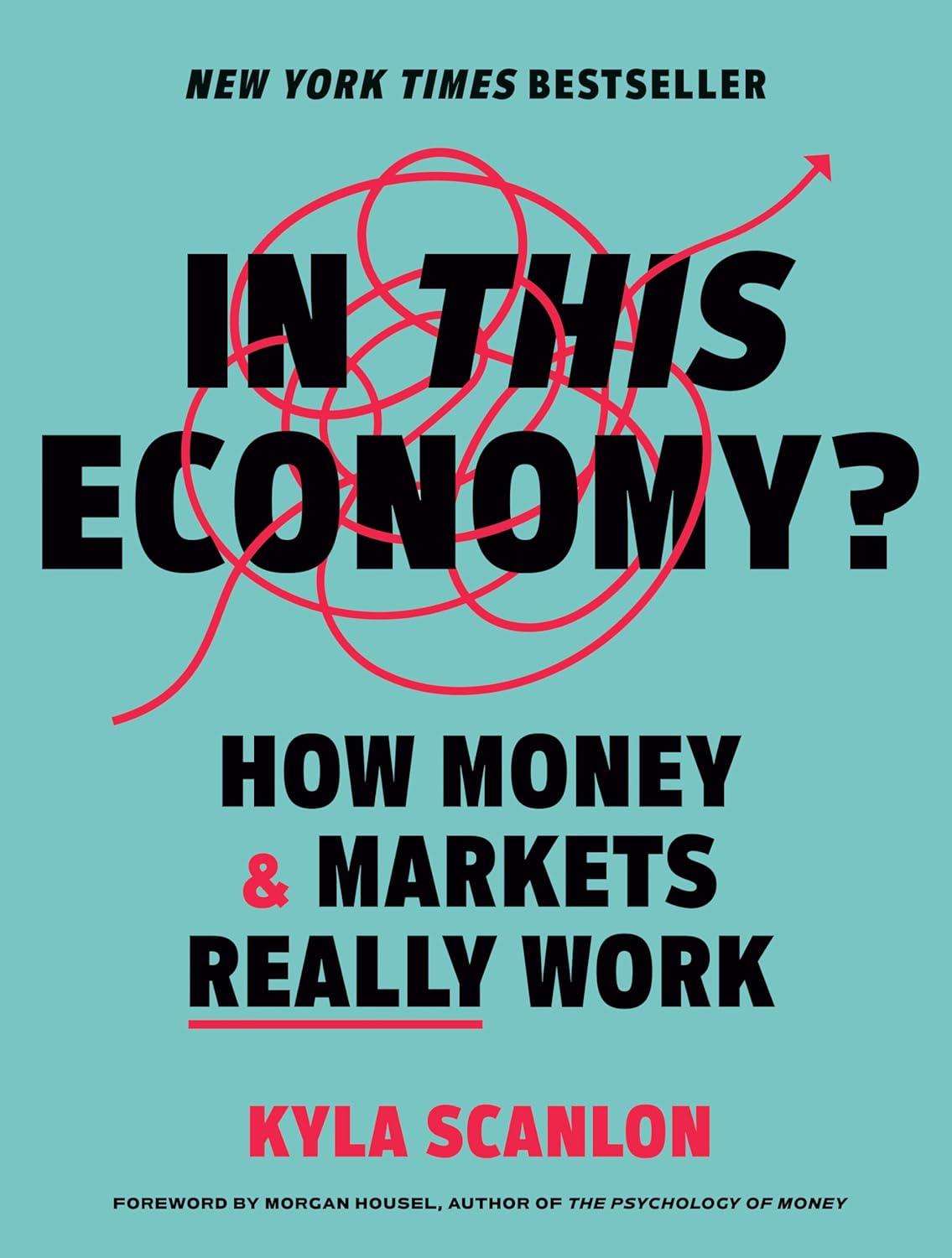
In an age where economic jargon floods the news and conversations buzz with financial anxiety, we often find ourselves grappling with questions that linger in the air like an unresolved debt: How do we truly understand our economy? What does it mean when headlines scream about recessions or rising national debt? Thankfully, we have a trusty guide in Kyla Scanlon’s “In This Economy?: How Money & Markets Really Work.” With its engaging illustrations and sharp insights, this book has become a New York Times bestseller-a beacon for those of us seeking clarity amidst chaos.
Having spent time with this book, we were pleasantly surprised by its ability to distill complex economic concepts into digestible nuggets of wisdom. Whether we’re balancing our bank accounts or contemplating our mortgage rates, Scanlon invites us to explore how money and markets influence our everyday lives. With the endorsement of notable figures like Jon Stewart and Morgan Housel, we can’t help but feel that this book is more than just a collection of facts; it’s a necessary tool for navigating the currents of modern finance.
Join us as we dive into our experience with “In This Economy?”-a must-read that promises not only to enlighten but to empower us to make informed decisions in an ever-evolving economic landscape.
Table of Contents
Exploring the Essence of In This Economy? Unraveling Money and Markets
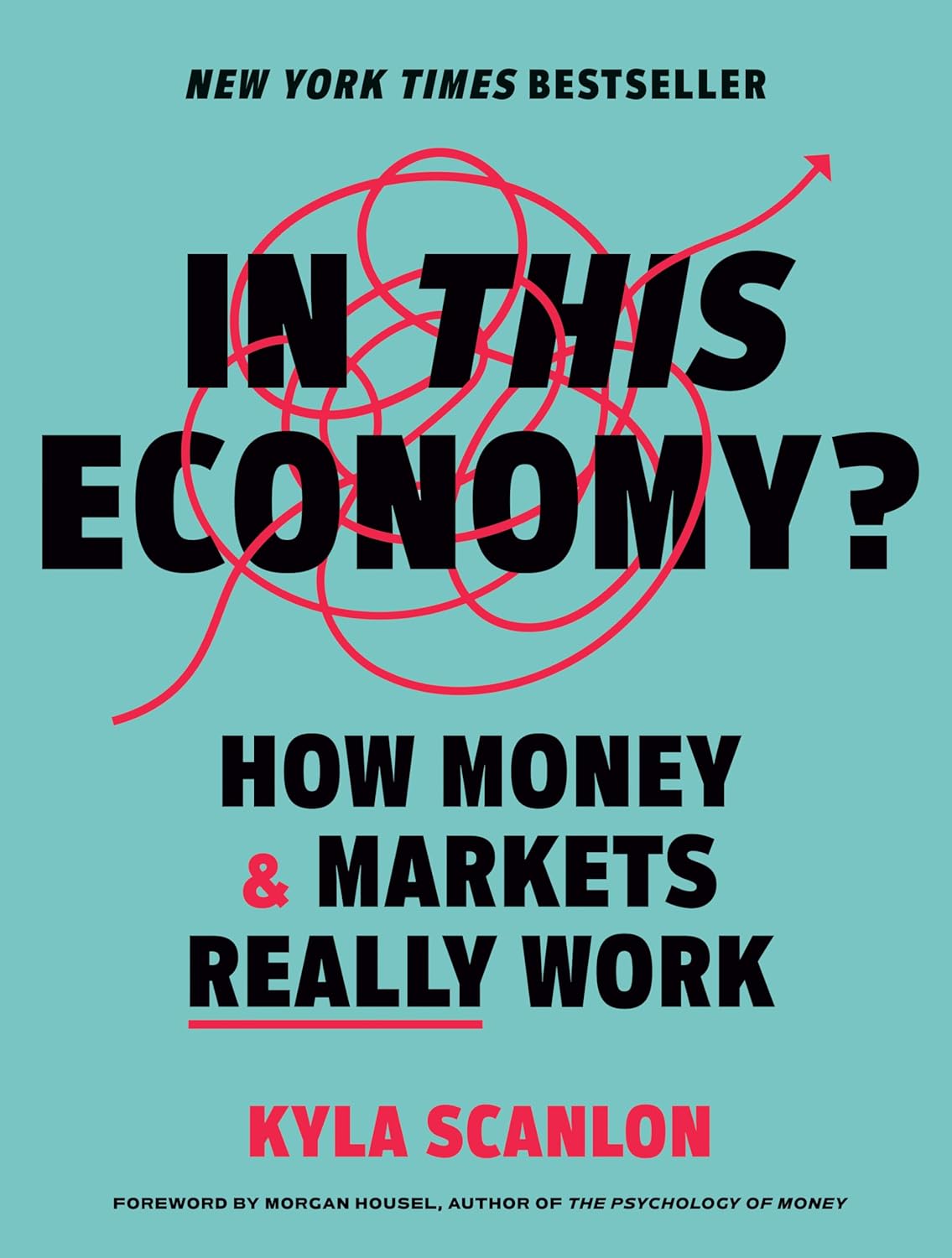
When we dive into “In This Economy?: How Money & Markets Really Work,” we are stepping into a vibrant space filled with insights that challenge traditional notions of economics. This book acts as a bridge between complex theories and our daily experiences.We’re greeted with engaging illustrations that make the learning process enjoyable. The way Scanlon simplifies dense topics resonates with many of us who often feel lost in financial jargon.
Kyla Scanlon’s approach is refreshingly honest. As we navigate through the chapters, we find ourselves not only learning how money functions but also grappling with the disparities in the economic fabric. As an example, when she discusses the Consumer Price Index (CPI), it’s enlightening. She doesn’t just present numbers; she connects them to our lives, making it clear why understanding these metrics matters. It’s not just about numbers-it’s about daily challenges, like rising costs and wage stagnation that many of us face.
As we read, we notice the intertwining of her personal anecdotes with enlightening economic principles. She paints a picture of the labor market that mirrors our own realities. Through the author’s critical lens, we see vulnerabilities-like housing issues and wage gaps-that have persisted over the years. She encourages us to question these systems rather than accept them as unchangeable. The dialog feels inclusive, almost like discussing these issues with a knowledgeable friend who genuinely cares about our economic literacy.
What truly stands out is the emphasis on the evolving economy. scanlon invites us to consider how the current landscape impacts our identities and our roles as participants. It’s not merely a textbook; it’s an exploration of who we can become within this complex system. We can’t help but feel empowered to rethink our relationship with money, pushing against narratives that often leave us feeling powerless.
Ultimately, “In This Economy?” is more than just a guide-it’s a clarion call. It echoes a sentiment we all share: understanding our economy is not just a privilege but a necessity. This book breaks down barriers, making economic principles accessible to all. We are left with the understanding that enhancing our economic literacy could be the key to navigating our choices. For anyone looking for clarity amid the noise, this book offers a refreshing perspective. We can’t recommend it enough.
Unpacking key Features that Define Our Understanding
at the heart of what makes Kyla Scanlon’s book a compelling read is how she demystifies our economy. Her unique perspective can reshape our understanding of crucial financial concepts. One key feature is how she cleverly integrates witty illustrations with economic theory, making complex subjects like inflation and consumer behaviour accessible to essentially anyone. It’s refreshing to see someone engage with topics that usually feel heavy, breaking them down into digestible parts. this approach provides us with an invaluable toolkit to navigate the often murky waters of finance and economics.
Another notable aspect is how Scanlon addresses outdated metrics and provides real-time insights. She highlights issues like the severely lagging minimum wage relative to productivity growth, offering a clear lens on why so many are struggling financially today. By framing these topics within the context of our everyday lives, she helps us comprehend not only what’s happening, but also why it matters. This societal connection directly enhances our grasp of economics; it becomes less about numbers in a textbook and more about impacts we can recognize in our own lives.
We also appreciate how the author challenges conventional wisdom. Often asking pressing questions about capital markets,labor rights,and wealth inequality,Scanlon provokes us to reconsider what we accept as the norm.Her discussions go beyond basic economics; they serve to spotlight important social issues like housing, healthcare, and education. By weaving in personal narratives and observations, she invites us to reflect on our beliefs and the systems that shape them, altering our mindset toward economic participation.
Lastly, her conversational tone throughout the book invites us to feel at ease with the material. This is a stark contrast from traditional economics texts that can feel daunting and impersonal. By employing relatable language and humor, she ensures we are not just passive readers but engaged learners. This approach creates a connection, making everything from the Consumer Price Index to banking easily relatable. We end up in discussions with friends just trying to make sense of what we’ve read, a spark of curiosity that stimulates deeper engagement with these essential topics.
by breaking down these features, it’s clear that Scanlon’s work is more than just a guide; it is a vital resource for anyone looking to truly understand how money and markets operate in our daily lives. Her ability to inject clarity into complexity opens the door for informed dialogues about our economic landscape, inviting us to participate more actively in shaping it.
Diving Deep into Insights: What We Learned from the Pages
In diving deep into the pages of In This Economy?: How Money & Markets Really Work, we’ve discovered a wealth of insights that resonate with both seasoned economists and newcomers alike. Kyla Scanlon expertly weaves complex economic theories into relatable narratives, making them accessible for everyone. Her ability to break down intricate concepts into digestible snippets-frequently enough with humor and compelling illustrations-is a hallmark of her engaging writing style. As we explored the intricacies of the economy, Scanlon is not merely presenting facts; she is inviting us to rethink how we perceive economic structures and their implications on our daily lives.
One noticeable aspect of Scanlon’s writing is her Gen-Z perspective, which colors her analysis of issues such as income inequality and economic growth. She challenges traditional viewpoints with statements that provoke thought and reflection. Such as, she argues that conventional metrics for understanding the economy may be outdated, compelling us to ask ourselves whether we’re truly equipped with the knowledge needed to navigate our financial realities. As we reflect on her insights, it’s apparent that her goal is not merely to inform but to empower readers to participate actively in economic discussions.
The book’s five-part structure offers a comprehensive foundation for understanding basic economic components. Each section stands as a gateway into complex themes like how money moves in housing and bond markets. What we found notably intriguing is her method of integrating ancient context with immediate economic challenges, illustrating the delicate balance between past practices and present realities.This approach fosters a clearer understanding of why our financial choices matter, urging us to think critically rather than passively accept the status quo.
As we navigated through the text, it became clear that Scanlon is advocating for a more equitable economic landscape. Her assertion that “the way we think about the economy is going to have to evolve” resonates strongly in a world rife with financial discrepancies. She doesn’t shy away from citing uncomfortable truths about our economic systems while providing us with the tools to better comprehend their complexities. This combination of straightforward explanations coupled with her thought-provoking commentary leaves us not just informed but inspired to engage thoughtfully with the economics that govern our lives.
In This Economy? serves as an essential guide for anyone who wishes to make sense of the rapidly changing financial environment. Through relatable language and smartly crafted metaphors, we not only learn about monetary systems but also come to appreciate the intricate dance of economics that affects us all. The journey through its pages is enlightening, urging us to seize the knowledge offered and apply it to our lives with newfound clarity.
Practical Applications: How This Knowledge Transforms Our view on Financial Matters
The insights from “In This Economy?: How Money & Markets Really work” provide us with a fresh lens on financial matters. This book not only explains complex economic concepts but also prompts us to reconsider our relationship with money and the markets. As we navigate through various economic climates, we often feel overwhelmed by terminology and statistics. However,Kyla Scanlon’s approach is refreshingly straightforward. She breaks down intricate ideas so we can all grasp them more easily.One enlightening aspect of the book is the way it highlights the importance of understanding economic metrics like the Consumer Price Index (CPI). many of us may have heard of the CPI without truly understanding its implications. With Scanlon’s clear explanations, we learn how these metrics affect our daily lives, such as grocery prices and housing costs.When we become more informed, we can make better decisions about our financial futures. It’s empowering to think that knowledge can transform our spending habits and investment choices.
Additionally, Scanlon emphasizes the impact of global economic trends on local markets. Her analysis of globalization helps us see how interconnected our economies are. This interconnectedness is not just theoretical; it influences job availability, inflation, and even our purchasing power. By recognizing these links, we can adjust our financial strategies and advocate for policies that protect our interests. Understanding that we are part of a larger system encourages us to be more active participants in the conversation around economic reform.
“In This Economy?” encourages personal reflection on our financial practices. Are we simply going with the flow, or are we making purposeful choices based on informed research? Scanlon challenges us to rethink our roles as consumers and employees. By asking questions and seeking answers, we can shift our perspectives towards more sustainable and equitable economic practices. this shift isn’t just important for our own finances; it can foster broader change in how economic systems operate.
We believe that this book is a crucial read for anyone who wants to develop a clearer understanding of finance in today’s world. By equipping ourselves with this knowledge, we can better navigate the challenges that contemporary economics presents. For those eager to demystify financial concepts, Scanlon’s engaging style makes complex subjects approachable and relevant. A deeper comprehension of these topics can fundamentally alter how we interact with our finances, leading to more informed, confident decisions.
Final Thoughts and Recommendations for Every Curious Mind
We believe that “In This Economy?: How Money & Markets Really Work” is a breath of fresh air in a topic that can frequently enough feel overwhelming. Kyla Scanlon’s approach is engaging and accessible. she brings complicated concepts down to earth, making them relatable for readers of all backgrounds. It’s like having a friendly guide who doesn’t shy away from tough questions or complicated details. For those who are curious about how our economy functions, this book serves as a valuable stepping stone to understanding money and markets better.
Kyla has a knack for simplifying economic jargon. She uses relatable examples and even injects humor into her illustrations. It makes learning feel less daunting and much more enjoyable. We appreciate how she encourages readers to question conventional wisdom and challenges outdated assumptions that can cloud our understanding. In an era where misinformation is rampant, having a straightforward guide to the economics landscape is both necessary and timely. Whether you’re a complete novice or someone with a bit of knowledge, this book will add to your understanding.
While the book is packed with insights, it’s essential to approach some of Scanlon’s views critically. She does present a unique perspective-often leaning toward pro-labor commentary, echoing the concerns of her generation. We found this refreshing, yet it also raises the need for balance in how we interpret her insights. Readers should remember that while her views are valuable, they represent one perspective in a larger economic conversation. It might benefit us to consider contrasting viewpoints as we navigate the complex world of economics.
we highly recommend “In this Economy?” to anyone looking to demystify how money and markets work. This book makes the intricate web of economics both digestible and engaging. If you’re ready to broaden your financial literacy and embrace new ideas about the economy, you won’t go wrong with this one. Check it out, and let it reshape your understanding of economics in a way that makes you feel empowered and informed. With Kyla’s engaging style, learning about money doesn’t have to feel like a chore.Ready to dive into the world of economics? No products found.
Customer Reviews Analysis
customer Reviews Analysis
In exploring the myriad responses to “In This Economy?: How Money & Markets Really Work” by Kyla Scanlon, we notice a fascinating range of perspectives. Whether readers appreciate the author’s accessible writing style or critique her views on economic issues, their feedback provides a colorful tapestry reflecting their diverse experiences with the book. Below, we summarize the key themes and sentiments that emerged from the reviews.
Key Themes
Several recurring themes surface among customer reviews:
| Theme | Description |
|---|---|
| Accessibility | Many readers commend Scanlon for making complex economic concepts digestible and relatable. |
| Perspective | Scanlon’s Gen-Z viewpoint offers a fresh take but also attracts criticism regarding political biases. |
| Visual Elements | Illustrations and graphics enhance understanding and engagement, particularly for visual learners. |
| Controversial Opinions | Some readers express concern over what they perceive as subjective commentary, particularly regarding labor and wealth inequality. |
| Overall Impression | While many praise the book’s clarity and educational value, some critique it for not being balanced. |
Positive Feedback
Expressing admiration for Kyla Scanlon’s work, readers often highlight how her writing demystifies economics:
- “Scanlon makes economy, money, markets simple. I need SIMPLE!” – A reader appreciates the clarity, especially given their lack of background in economics.
- “She breaks down everything and makes it very easy to understand.” – Another review praises how quickly they were able to read and comprehend the material.
- “Kyla explains things for all levels.” – A sentiment echoed by multiple readers, emphasizing the book’s accessibility.
Constructive Critiques
Despite the praise, some readers were less eager, noting areas for improvement:
- “Overall very good, but the recommendations feel like a pipe dream.” – Reflecting skepticism about the feasibility of certain proposals.
- “It should really have been two separate books.” – Some find the blend of textbook material and personal commentary disjointed.
- “I ran into a glaring error on page 6.” – Inaccuracies point to concerns about the editorial process and the book’s credibility.
Conclusion
Ultimately, “In This Economy?” receives a mixed yet engaging reception from readers.While many appreciate Scanlon’s approach and find it invaluable in navigating today’s complex economic landscape,others raise valid points about the balance of perspective and the accuracy of information presented. These insights serve as a valuable guide for potential readers, highlighting both the strengths and pitfalls of engaging with this contemporary economics guide.
Pros & Cons
Pros & Cons of “In This Economy?: How Money & Markets Really Work”
As we delve into the intricacies of in This Economy?, it’s essential for us to weigh both the positive aspects and the drawbacks of this money and markets guide. let’s explore these elements to help us determine whether this book is the right fit for our financial education needs.
| Pros | Cons |
|---|---|
|
|
In This Economy? offers an engaging entry point into the world of economics, complete with creative illustrations and accessible language. However, it’s crucial for us to consider potential biases and the limitations of its visual style. Ultimately, whether this book fits our needs depends on our unique preferences and the level of detail we seek in our understanding of money and markets.
Q&A
Q&A Section for “”
Q1: Who is Kyla Scanlon, and why should we trust her insights on the economy?
A1: Kyla Scanlon is a renowned financial educator and illustrator known for her ability to simplify complex economic concepts. With her engaging writing style and witty illustrations, she has quickly gained a following online, making her a trusted voice in understanding finance and markets. In her book, “In This Economy?”, she combines insights from behavioral economics with approachable analogies, making her guidance both informative and enjoyable.
Q2: What makes “In This Economy?” different from other economics books?
A2: This book stands out due to its unique blend of humor, illustration, and practical insights. Unlike traditional economics texts that can be dry and dense, Scanlon’s approach is accessible. She breaks down the intricate workings of money and markets with ease, using creative analogies that resonate with readers. This makes the book not only informative but also a delightful read, ensuring we can grasp essential economic concepts without feeling overwhelmed.
Q3: Is this book suitable for beginners with no prior knowledge of economics?
A3: Absolutely! “In This Economy?” is designed for readers of all levels. Whether we’re seasoned economists or just starting out, Kyla Scanlon delivers complex ideas in a clear and engaging manner. The book offers foundational knowledge about economics while addressing common misconceptions, making it a perfect entry point for anyone interested in understanding the economy better.
Q4: Does the book address current economic issues, such as inflation or the national debt?
A4: Yes, it does! Scanlon delves into contemporary economic issues like national debt, inflation, and recession. She unpacks these topics with clarity,guiding us through the headlines we often see but may not fully understand. By analyzing these pressing matters through an informed lens, we’re able to make more calculated decisions regarding our finances and grasp the implications on a broader scale.
Q5: Are there any practical takeaways from this book that we can apply to our financial lives?
A5: Definitely! One of the book’s strengths is its practical focus. Scanlon provides us with actionable insights on what data to monitor and how to rethink our assumptions about money and economics. From budgeting tips to understanding market trends, we can apply the principles discussed in “In This Economy?” directly to our financial decision-making, helping us navigate our personal and collective economic landscapes more effectively.
Q6: How does this book address myths and misconceptions about economics?
A6: Kyla Scanlon takes a critical look at common myths surrounding economics, debunking outdated ideas that often mislead us. By presenting evidence-based arguments, she helps readers identify and avoid these misconceptions, fostering a more informed public discourse on financial matters. As we engage with her insights,we become better equipped to challenge the status quo and question widely-held beliefs that may not hold water.
Q7: Where can we find “In This Economy?” and how is it formatted for different reading preferences?
A7: “In This Economy?” is available for purchase through various retailers, both in print and digital formats.The book is optimized for Kindle with features like enhanced typesetting and support for screen readers, making it accessible for a wide range of readers. Whether we prefer to curl up with a hardcover book or read on our devices, we can easily choose the format that suits us best.
Q8: Is there anything we should be aware of regarding the book’s reviews or rankings?
A8: The book has received a positive response, with an average rating of 4.2 stars from over 630 customer reviews, indicating that many readers have found it valuable and enlightening. As with any popular book, it’s wise to read a variety of reviews to get a balanced perspective. We should consider what resonates with us and how Scanlon’s insights might fit into our understanding of money and markets.
Feel free to ask if you have any more questions about “In This Economy?” or want to dive deeper into its content!
Discover the Power
As we wrap up our exploration of “In This Economy?: How Money & Markets Really Work,” it’s clear that Kyla Scanlon has crafted a truly enlightening guide for those of us eager to demystify the complex world of economics. With her unique blend of humor, insightful illustrations, and accessible explanations, she invites us to reconsider our understanding of money, markets, and the broader economic landscape. Whether we’re looking to make informed decisions about our finances or simply want to stay ahead of the latest economic conversations, this book proves to be an essential resource.
if you’re ready to arm yourself with knowledge and navigate the intricacies of the economy with confidence, we encourage you to get your copy today. Join us on this enlightening journey and unlock a new perspective on the forces that shape our financial reality.
To dive deeper into the fascinating world of economics, you can purchase “In This Economy?” through the following link: Grab your copy here! Thank you for reading, and let’s continue to empower ourselves with knowledge!