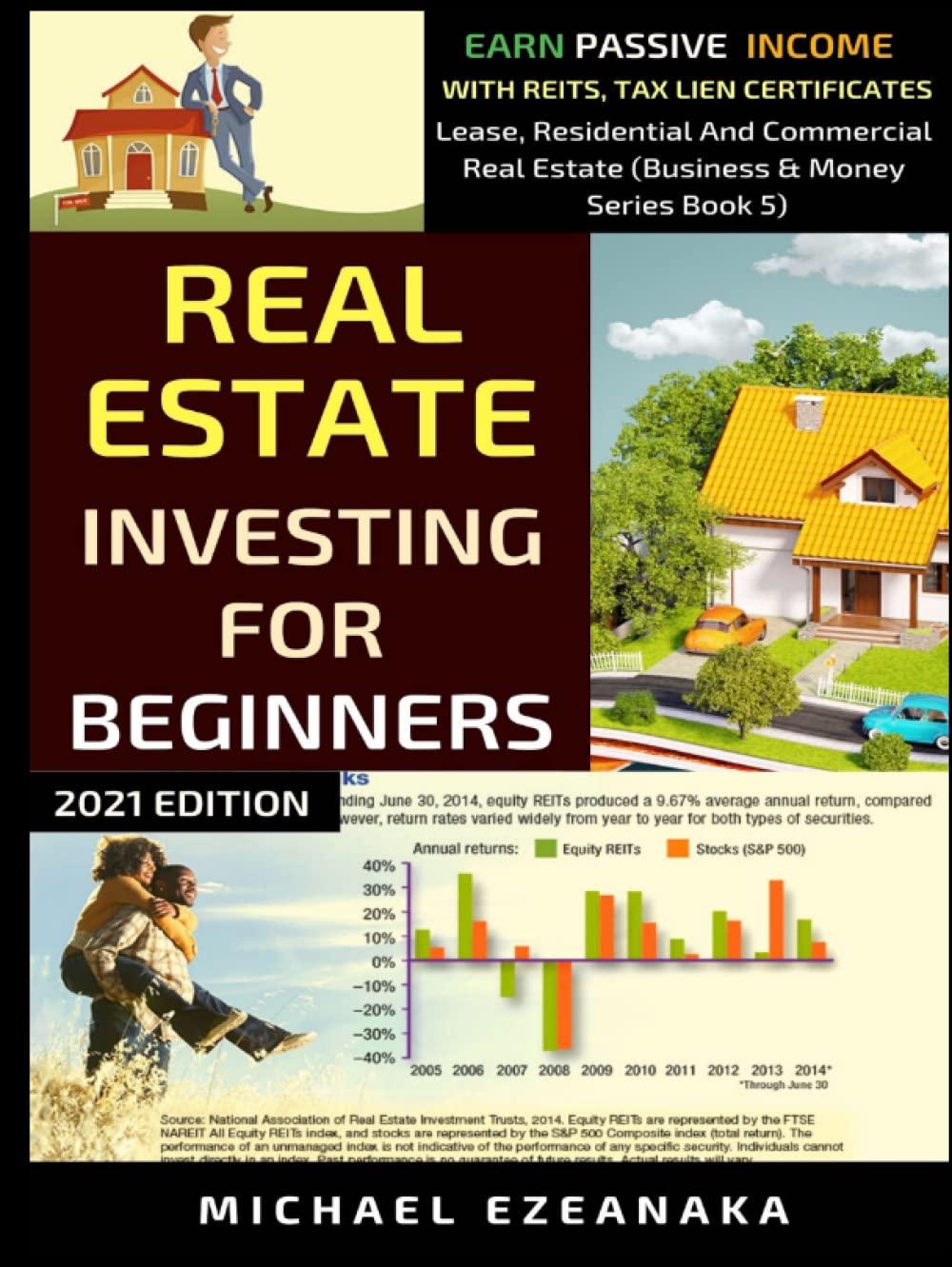
Welcome to our latest product review! Today, we’re diving into the world of real estate investing with a resource that promises to guide beginners through the complexities of earning passive income: “Real Estate Investing For Beginners: Earn Passive Income With REITs, Tax Lien Certificates, Lease, Residential & Commercial Real Estate” by Michael Ezeanaka.
As a group passionate about finding reliable avenues for investment,we often find ourselves drawn to books that promise to simplify daunting topics. Ezeanaka’s bestselling guide stands out by effectively breaking down 10 different real estate business models, ranking them based on crucial criteria such as simplicity, passivity, liquidity, scalability, and potential ROI.
Whether you’re curious about the mechanics of Real Estate Investment Trusts (REITs), exploring tax lien certificates, or weighing the differences between residential and commercial properties, this book offers a extensive yet approachable analysis. In our review, we’ll share our insights from engaging with the material, highlighting its strengths, addressing any shortcomings, and ultimately helping you decide if this is the right tool for your own investment journey. Join us as we uncover the treasures of this informative read and set the stage for making informed decisions in the dynamic field of real estate investing!
Table of Contents
Overview of Our Journey into Real Estate Investing
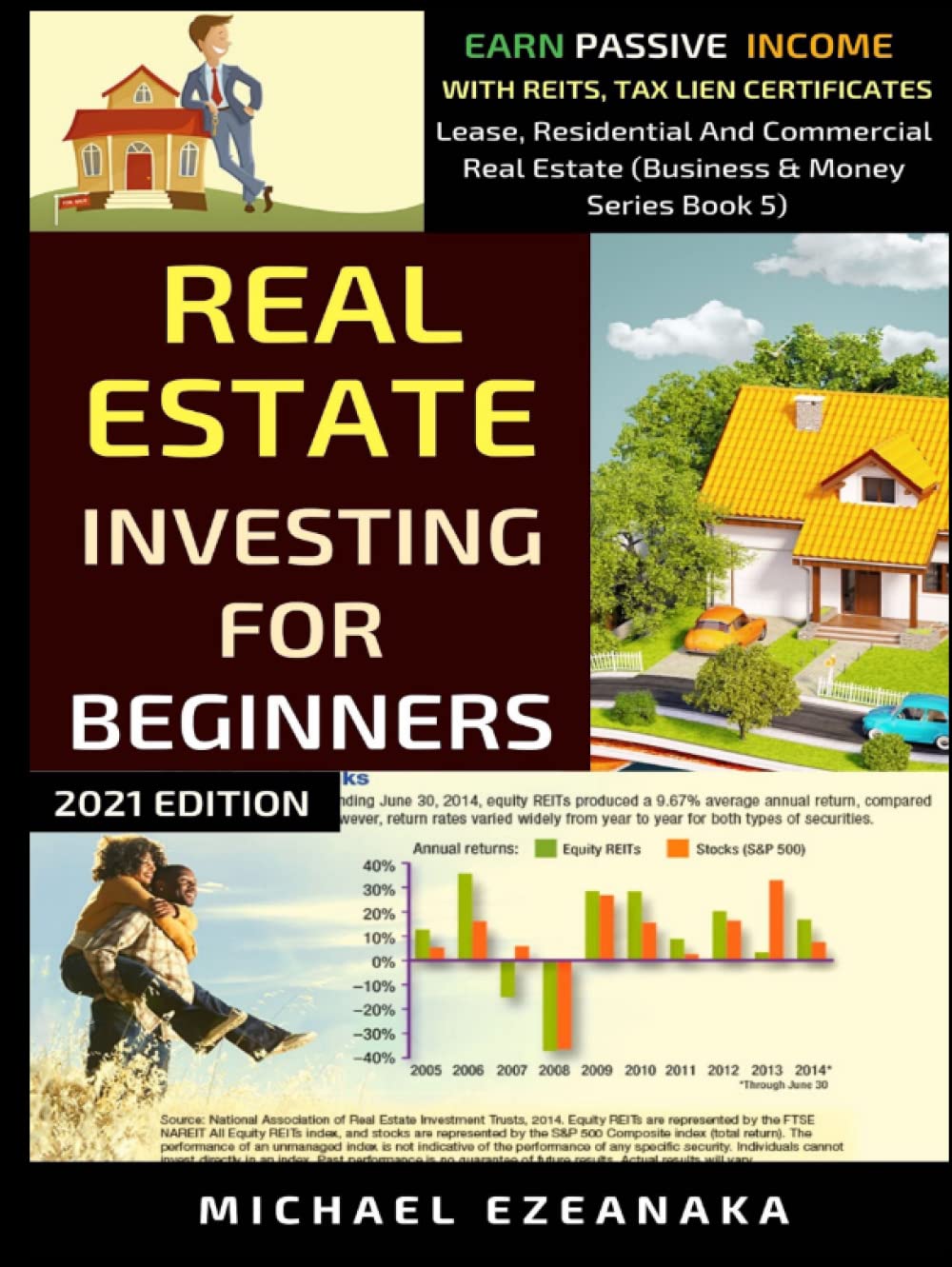
Our journey into real estate investing has been a mix of excitement and learning. With the rising popularity of passive income strategies, we stumbled upon the world of Real Estate Investment Trusts (REITs), tax lien certificates, and various residential and commercial property investments.The book, Real Estate Investing For Beginners, became our go-to guide for understanding how to navigate this new territory. It also introduced us to the potential benefits of exploring different real estate business models.
Throughout our exploration, we found the author’s insights valuable. They organize and compare ten different ways to invest, rating each based on crucial factors like simplicity and return on investment. This level of analysis helped us grasp which options could work best for our financial goals. As we read, we realized that investing in properties could offer us a way to create wealth while earning passive income. This journey showed us that getting started in real estate investing doesn’t have to be overwhelming.
What we especially appreciated were the tips for minimizing risks and maximizing returns.With real-world examples and clear actions laid out, we felt equipped and motivated to dive deeper into specific strategies, from long-term leases to understanding zoning rights for mixed-use properties. It’s clear that the book is not just theoretical; it provides actionable knowledge to help us succeed. As beginners, we appreciated the bonus Real Estate Business Scorecard, which summarized everything we learned in a straightforward manner.
This book really opened our eyes to the possibilities in real estate investing. The conversational style made complex topics easy to digest. If you’re eager to kickstart your own investing journey, we highly recommend this resource. It was instrumental in shaping our understanding of the market, enhancing our investment strategies, and ultimately pushing us toward financial independence.
Key Features That Set This Guide Apart
When diving into the world of real estate investing, it’s crucial to have a reliable guide. This book does just that, shining brightly among many others. What really sets it apart is its comprehensive approach to the various ways we can invest in real estate. It doesn’t just scratch the surface; we get an in-depth analysis of ten different real estate business models that cater to beginners.This makes it a must-have resource for anyone looking to earn passive income with minimal prior knowledge.
Another noteworthy feature is the clear methodology used to compare the investment options. Each model is assessed on five key criteria: simplicity, passivity, liquidity, scalability, and potential return on investment. This structured format simplifies complex concepts and provides us with a clear understanding of how different investments stack up against one another. We appreciate how each option is contextualized, making it easier to visualize where our money can work best for us.
The book also offers real-world insights and actionable strategies. For instance, we get to explore how Real Estate Investment Trusts (REITs) operate and what factors can impact their income potential. Learning about tax lien certificates and how they can diversify a portfolio adds another layer of security to our investment strategies.It’s refreshing to see practical advice mixed with theoretical knowledge, allowing us to make informed choices as beginners.
Don’t overlook the bonus material either! With the Real Estate Business Scorecard, we can quickly assess various models at a glance, making our decision-making process much smoother.This added value transforms the content from mere theory into practical tools we can use right away.The thoughtful layout and engaging writing style keep the material accessible and enjoyable, which is vital for those of us just starting out.
This guide stands out because it is designed specifically for beginners. It’s not cluttered with jargon that can alienate new investors but instead provides a friendly and approachable entry point into the world of real estate. We can confidently say that this book is a gem worth adding to our real estate investment toolkit as we embark on our journey to financial freedom.
Exploring the Depths of REITs and Tax Lien Certificates
When diving into the idea of real estate investment, we frequently enough hear about various channels like REITs and tax lien certificates. The book we’re discussing illuminates these pathways effectively, providing clarity for newcomers eager to earn passive income. With a fresh outlook presented in easy-to-understand language,we feel empowered to take our first steps into real estate investing.
This guide offers a streamlined overview of the intricacies involved in Real Estate Investment Trusts (REITs) and tax lien certificates. It breaks down complex concepts into digestible bites, allowing us to grasp the nuances of each investment type. The author presents REITs as a gateway for averaging investors like us who may not have the capital for direct property purchases. It explains how we can earn dividends while benefiting from real estate market growth without the headaches of property management.
Tax lien certificates, on the other hand, are framed as one of the safest bets in real estate investments. By explaining how these certificates provide first dibs on properties when owners default on taxes, the book changes our understanding of security in investments. The advantages of doing our due diligence in selecting tax liens are emphasized. We learn that it’s not only about buying low but also understanding how to navigate these transactions to find solid returns.
We appreciate that the resource doesn’t just regurgitate facts but also intertwines tips and strategies to maximize our potential earnings. with real-world examples and actionable advice, we start feeling equipped for the marketplace. For anyone looking to explore investment possibilities while maintaining a focus on ease and financial safety, we believe this book stands out as a valuable tool.
Practical Insights for Navigating Residential and Commercial Real Estate
When diving into the world of real estate investing,practical insights can make all the difference. This book showcases how we can easily navigate both residential and commercial real estate. If we’re looking for a comprehensive guide that provides insights on various investing avenues, this book definitely steps up to the plate.It breaks down ten different ways we can invest in real estate, focusing on essential factors like potential ROI, liquidity, and scalability. Each investment type is explained clearly, making it easier for us to identify which avenue aligns with our goals.
The author does a grate job comparing these investment strategies. As a notable example, the section about Real Estate Investment Trusts (REITs) helps us understand how they work and how they’re influenced by economic conditions. This understanding is crucial as we plan our investments.Additionally, learning about tax lien certificates provides us with insight into secure investment options. We gain a better grasp of how to diversify our portfolios, which can lead us to well-informed decisions.
We noticed that the book shares strategies for earning passive income, even from vacant land. It’s particularly useful for those of us considering entering the commercial real estate market. As we explore industrial properties, the insights provided about ideal locations and market factors truly enhance our decision-making process. We appreciate the practical tactics shared, which can considerably increase our return on investment, especially through long-term leasing.
It’s important to mention some of the pros and cons we’ve gathered while reading.The straightforward layout and the author’s ability to simplify complex topics make it an engaging read. However, we did wish for more references for further research on specific topics. Still, with its wealth of details and hands-on strategies, this book remains a valuable resource for anyone serious about diving into real estate.
the insights we gain from this book not only prepare us for the challenges of real estate investing but also inspire confidence in our ability to make smart investment choices. For anyone looking to learn the ropes of real estate investing, this guide should find its place on our bookshelf. Check out the latest price for this essential resource!


Our Recommendations for Maximizing Passive Income Potential
When diving into the world of passive income through real estate,”Real Estate Investing For Beginners” serves as an invaluable guide. It breaks down complex investment strategies into manageable insights that we can all digest.This book touches on everything from REITs to tax lien certificates,laying out a roadmap for those of us new to real estate investing. Whether you’re considering commercial properties or looking to explore residential options, this book equips us with the knowledge we need to make informed decisions.
One unique aspect we appreciate is its detailed comparison of various real estate investment methods, such as Lease Agreements and Industrial Real Estate. The author provides clarity in understanding which approaches are low-risk and have high potential for returns. This empowers us to select options that suit our individual tolerance for risk. Additionally, the focus on long-term leases presents an opportunity for reliable, passive income that can compound over time, creating a steady financial foundation for us.
Another standout feature is the bonus Real estate Business Scorecard. Not only does it summarize the key criteria we need to consider-like liquidity and scalability-but it also allows us to evaluate our options quickly.By organizing this information,we can clearly see how different strategies stack up against our personal investment goals. This tool is essential for beginners, making the often-overwhelming market feel much more navigable and inviting.
Above all, the book stresses that to maximize our passive income potential, we should remain aware of the changing real estate landscape. Trends in commercial properties and zoning rights are just a few examples that can significantly impact our investment outcomes.By staying educated with resources like “Real Estate Investing For Beginners,” we can keep our finger on the pulse of the real estate market and make smarter choices that enhance our financial journey.
Customer Reviews Analysis
Customer Reviews Analysis
As we delve into the opinions of our readers on Real Estate Investing For Beginners, we encounter a multitude of perspectives that provide a well-rounded understanding of the book’s strengths and weaknesses. Here’s a breakdown of key takeaways from customer feedback:
| Review Summary | Pros | Cons |
|---|---|---|
| introduction to Asset Subclasses | Good overview of various asset classes; informative pros and cons. | Subjective ratings; limited depth on certain topics. |
| Mixed Feelings | Diverse types of real estate investment explained in detail. | Lacks exact research references; oversized format not suitable for discreet reading. |
| Informative Treasure | Valuable information; a multitude of practical advice. | Potentially overwhelming amount of content. |
| Life-changing Insights | Enlightening material that raises awareness about investment. | None mentioned. |
The first review we encountered highlighted that while the book introduces several asset subclasses in a top-level manner,it provides valuable pros and cons,making it a worthy rapid read for those considering real estate investment. This sentiment resonates with the core intent of the book: to serve as a gentle nudge for newcomers.
Conversely, another review expressed mixed feelings, noting a lack of direct references for further research and an unconventional book size that hampers its discreet use in work environments. It’s essential to consider these factors, especially for those who prefer to engage deeply with the material while maintaining their everyday routines.
On a brighter note, several readers labeled it a “gem,” praising the wealth of information and advice presented in the book. This speaks to the effectiveness of the author’s approach to empowering readers with the knowledge they need to explore real estate investments. One enthusiastic reviewer felt that their understanding of the field deepened significantly, underlining the book’s potential to enlighten and inspire future investors.
we find that customer feedback on Real Estate Investing For Beginners is a mixed bag-some readers appreciate the breadth of the information provided, while others desire more detail and various references to support their learning journey. In essence, the book lays a solid foundation for beginners looking to explore real estate investments, even if it doesn’t serve up every detail on a silver platter.
Pros & Cons
Pros & cons
| Pros | Cons |
|---|---|
| Comprehensive Overview: This book presents a thorough analysis of 10 different real estate investment strategies, making it ideal for beginners. | Potential Overwhelm: With so much information, new investors might feel overwhelmed while trying to absorb all the various strategies. |
| Clear Ranking System: The ranking of the business models based on simplicity, passivity, liquidity, scalability, and ROI provides clarity for decision-making. | Basic Coverage: Some readers might find that advanced real estate concepts are not covered in depth, which could limit its applicability for seasoned investors. |
| Bonus Resources: The downloadable Real Estate Business Scorecard is a valuable tool that can help streamline investment strategies. | Up-to-Date Information: Real estate dynamics can change rapidly, so some content may feel dated depending on the current market conditions. |
| accessible Language: The writing style is approachable and easy to understand, making it suitable for those with no prior investment experiance. | Lack of Personal Stories: The book focuses on theory over personal anecdotes, which some readers might find less engaging. |
| Mitigation Tips: The inclusion of 100 tips for success helps minimize risks, which is always a concern for novice investors. | limited Case Studies: Real-world examples are minimal, which could help contextualize strategies for some readers. |
Q&A
Q&A Section for “”
Q1: who is the author of “Real Estate Investing For Beginners” and what are their qualifications?
A1: The book is authored by Michael Ezeanaka, an Amazon bestselling author who specializes in business and finance. While the specific credentials of the author are not mentioned in the book description, his status as a bestseller indicates a level of expertise and popularity in the field of real estate investing.
Q2: What topics does the book cover?
A2: This book covers a range of real estate investment strategies, including Real Estate Investment trusts (REITs), tax lien certificates, leasing strategies for both residential and commercial properties, and various other business models. It evaluates each method based on key criteria such as simplicity, passivity, liquidity, scalability, and potential return on investment.
Q3: Is this book suitable for complete beginners?
A3: Absolutely! This book is specifically writen for beginners who are interested in exploring real estate investment opportunities. It presents complex concepts in a simplified manner, making it easier for those just starting out in real estate to understand the different ways to invest.
Q4: How is the book structured?
A4: The book is organized to offer a comparative analysis of ten differing real estate investment models. Each investment type is presented with a quick overview,and the criteria (passivity,liquidity,scalability,etc.) are systematically compared to help readers make informed decisions.
Q5: Does it provide practical strategies for making investment decisions?
A5: Yes, the book includes practical strategies for achieving passive income through real estate investments.It offers insights on crucial factors that can enhance the chances of success in various markets, along with 100 tips focused on minimizing risks and maximizing potential returns.
Q6: is there any additional resource included with the book?
A6: Yes! A bonus feature of the book is the Real Estate Business Scorecard, which you can download. This scorecard neatly summarizes each business model’s performance across the five key investment criteria,providing an at-a-glance reference for decision-making.
Q7: How long is the book, and is it easy to read?
A7: The book is 106 pages long, making it concise enough for readers to digest the information without feeling overwhelmed. The language is straightforward, and the layout is designed for easy navigation, ensuring that even novice investors can grasp the concepts presented.
Q8: What do readers think about this book?
A8: The book has garnered positive feedback from readers, boasting a 4.4 out of 5 stars rating across 68 reviews. Many readers have found it informative and a great introduction to real estate investing, particularly for beginners looking to explore their options before diving into the market.
Q9: Where can we purchase this book?
A9: The book is available for purchase on Amazon. We recommend scrolling to the top of the page and clicking the “BUY NOW” button for a quick checkout process.
Q10: Can we expect any new editions or updates from the author?
A10: While the description does not mention any upcoming editions, it’s not uncommon for authors to update their works as markets change. We suggest keeping an eye on the author’s page or subscribing for updates to stay informed about new publications or revisions.
Discover the Power
As we wrap up our exploration of “Real Estate Investing For Beginners,” it’s clear that Michael ezeanaka has crafted an invaluable resource for those looking to embark on their real estate journey. With detailed comparisons of various investment strategies,this book offers us the insights we need to make informed decisions. Whether we’re intrigued by Real Estate Investment Trusts, tax lien certificates, or the possibilities in residential and commercial properties, there’s a strategy here that aligns with our unique investment goals.
For anyone feeling hesitant to dive into the world of real estate, this comprehensive guide provides the clarity and confidence necessary to take that first step. The bonus resources, including the Real Estate Business Scorecard, further enhance our learning and decision-making process, ensuring that we can minimize risks while maximizing potential returns.
So, if we’re ready to turn our real estate aspirations into achievable goals, we encourage you to grab a copy of this transformative guide and unlock the door to passive income. Let’s seize the opportunity to empower ourselves with knowledge and take charge of our financial future!
To invest in your understanding of real estate investing, click here to get your copy today: Real Estate Investing For Beginners. Happy investing, and here’s to our future success!