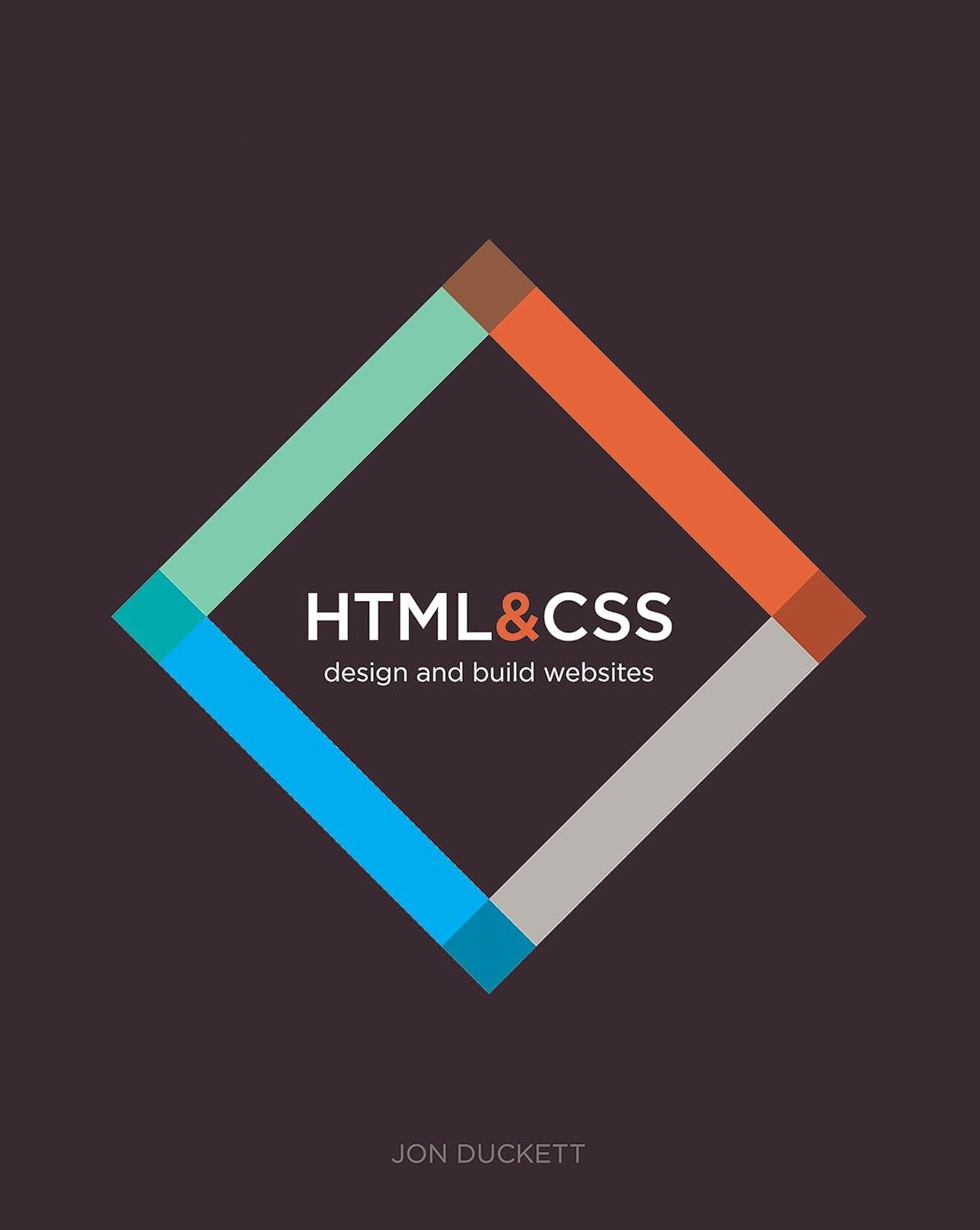
Welcome to our latest product review, where we shine a spotlight on a remarkable resource for aspiring web developers: “HTML and CSS: Design and Build Websites” by Jon Duckett. As we’ve delved into the intricacies of web design, we’ve come to appreciate how essential it is to find materials that not only teach but inspire. With a vibrant layout and expertly crafted content,Duckett’s book stands out by making complex subjects like HTML and CSS not only accessible but enjoyable.
In our exploration of web design, we’ve navigated a sea of online courses and tutorials, ofen feeling overwhelmed by the sheer volume of information. Though, duckett’s work is a refreshing change; it reshapes the learning experience into an engaging journey. With its full-colour graphics and a unique teaching format, this book promises to transform readers from beginners into confident web designers. Whether you’re a student,a freelancer,or someone looking to enhance your skill set,our firsthand experience tells us that this book is worth its reputation.
Join us as we dive deeper into the pages of “HTML and CSS: Design and build Websites,” where we’ll discuss its structure, visual appeal, and how it can serve as a solid foundation for web design success. Buckle up-it’s time to decode the world of web advancement, one chapter at a time!
Table of Contents
Exploring the Foundations of Web Design with HTML and CSS

When we dive into the fascinating world of web design, “HTML and CSS: Design and Build Websites” emerges as a remarkable guide that simplifies the complexity of these basic web technologies. As we flip through its pages, we can’t help but feel that Jon Duckett has crafted an remarkable resource for beginners and even intermediate learners who wish to bolster their coding skills. The clarity and engaging style of this book make it an approachable entry point into the vast world of web development.
The book is thoughtfully divided into two major sections: HTML and CSS. In the first half, we’re introduced to the structural aspects of web design, focusing on the building blocks of web pages. Duckett lays a solid foundation, starting with text and moving through essential elements like lists, links, images, and tables. Each concept is illustrated with clear examples, making it easy for us to grasp the material.As we progress to the second half, CSS takes center stage, teaching us how to beautify our web pages. His use of color coding and visual aids ensures that we can follow along without feeling overwhelmed.
One of the highlights of this guide is its ability to blend practical advice with aesthetic principles. As we learn to code,we also recieve insights on design choices,such as contrast and image formats. This complete approach resonates with us, as it’s not just about how to make a webpage function, but also how to make it visually appealing. The diagrams and ample white space throughout the book keep the reading experience enjoyable, which is essential when tackling technical subjects like these.
What truly sets this book apart is its user-friendly layout. The clear, concise chapters allow us to learn at our own pace, which is a significant advantage compared to many online resources that can be overwhelming. Moreover, the author encourages an exploratory mindset.We appreciate how he equips us with the vocabulary needed to conduct our own research and discover more in-depth information independently. This empowers us to seek out additional resources as we gain confidence in our skills.
For anyone looking to create their first website or enhance their existing skills, this book is a gem. It strikes a perfect balance between being comprehensive and not overly detailed, ensuring that readers don’t feel lost in a sea of information. Each page reflects duckett’s passion for web development and his commitment to teaching.We wholeheartedly recommend this book as a starting point in our web design journey.
Unpacking the Features that Set This book Apart
When it comes to learning web development, notably HTML and CSS, few resources stand out as much as Jon Duckett’s book. What makes this book a game changer for beginners like us? At the heart of its appeal is the way it simplifies complex topics while still being visually engaging. The integration of full-color graphics and clear illustrations makes it feel less like a textbook and more like a creative guide to web design.
Each chapter is thoughtfully structured, guiding us step-by-step through various components of webpage creation. we find that the institution is key; the first half focuses on understanding HTML, while the latter half dives into CSS. By compartmentalizing the information this way, we can absorb each element at our own pace. The visuals included with each section reinforce our understanding and help us visualize how concepts come together in real websites. It’s almost like having a personal mentor that breaks down the intimidating world of coding into bite-sized pieces.
We’ve also noticed that the book goes beyond merely teaching the syntax and structure. It introduces us to the artistic side of web design by discussing color choices and the importance of aesthetics. This unique viewpoint is rare in programming books and really sets this one apart. Duckett’s explanations of why certain formats are more appropriate for specific situations provide us with the context we need to make informed decisions in our projects.
What truly resonates with us, though, is that the author has put his heart into creating a user-friendly experience for beginners. The writing is approachable, avoiding jargon-heavy language that frequently enough turns off new learners. Rather, it’s filled with relatable examples and advice that speaks to our experiences. Duckett emphasizes a practical approach, equipping us not just with how to code, but with how to think like a web designer. this, combined with excellent visual aids, makes it an invaluable resource for those of us eager to jump into the world of web development.
Ultimately, the combination of clear explanations, lovely design, and practical application makes this book a standout choice for anyone looking to dive into web design.We appreciate the way duckett manages to make a technical subject accessible and enjoyable. For anyone ready to transform their understanding of HTML and CSS, this book might just be the resource we need to turn our ideas into reality.
Diving Deeper Into the Practical Applications and Techniques
We all know that diving into web design can be overwhelming. That’s why we appreciate resources that distill complex concepts into manageable pieces. One such exemplary guide is Jon Duckett’s book on HTML and CSS, which takes a creative and visually engaging approach to web development. The book is structured in a way that balances theory with practical application, making it an ideal companion for both absolute beginners and those looking to refresh their skills.
As we flip through the pages, we can’t help but admire how the book breaks down HTML and CSS. The two halves-HTML for structure and CSS for design-are expertly separated but seamlessly integrated. Duckett uses clear diagrams and color-coded elements to guide us through each concept. We also appreciate the abundance of visuals and practical examples that accompany the explanations, making it easier to see the correspondence between code and its application. This hands-on approach fosters a deeper understanding and encourages us to experiment with our own code.
What’s particularly special about this book is how it lays the groundwork for learning beyond its pages. While it covers the fundamentals thoroughly, it also stimulates curiosity for further exploration. Each section not only teaches us how to wriet code but also nudges us towards the broader world of web development. Duckett’s strategic inclusion of external resources acts like a compass, pointing us to additional information when we wont to delve deeper into certain topics.This feature is particularly useful for those of us who enjoy learning through multiple channels rather than relying solely on a single resource.
Despite the clear and visually appealing design, we do find some minor drawbacks. A few typos and print quality issues have caught our eye, but we’re willing to overlook these for the sake of the rich content. After all, our main focus is on grasping the coding concepts and building our skills. It’s evident that Duckett’s primary goal is not just to teach us technical skills but to inspire creativity and confidence in web design.
In our opinion, investing in this book is a no-brainer for anyone serious about embarking on or enhancing their web development journey. Whether you’re looking to create your first website or to refine existing skills, Duckett’s writing serves as an excellent stepping stone. for those of us eager to get started, we recommend giving it a read and diving into the world of web design.
Ready to purchase? Buy Now on Amazon
Our Insights: What We Learned from the Pages
Diving into Jon Duckett’s “HTML and CSS: Design and Build Websites” was quiet an experience.As we explored the pages, we appreciated how it simplifies complex concepts. the engaging layout combined with rich visuals made the material feel less daunting for those of us stepping into the world of web development.The book artfully divides content into two sections: HTML and CSS. This separation helps to clearly define topics and ensure a logical flow of information.We found ourselves easily navigating through each concept,from basic text structures to how we can style elements effectively.
One of the key insights we had was the power of visual learning. Duckett uses diagrams and colorful illustrations to not only break up text but also to reinforce the ideas being discussed. This approach makes it simpler to grasp what can frequently enough be dry subject matter. There’s a sense of clarity throughout the book that transcends traditional instructional texts, making it feel like a conversation rather than a lecture. As beginners, we valued how Duckett highlighted coding principles while also instilling a sense of creativity in web design.
Additionally, the author’s ability to provide practical examples alongside coding snippets significantly enhanced our understanding. Rather than just listing code, the book shows us what that code looks like in action. It struck us as particularly helpful for visual learners like ourselves. We could see immediate applications of the concepts we were digesting, making the learning experience not just informative but also interactive. Duckett invites readers to experiment and play around with their newfound knowledge, which is empowering as we start to create our own web pages.
In our exploration, we also noticed that the book encourages an ongoing learning process. Duckett’s wording often hints at exploring further, whether about HTML semantics or CSS styling nuances. This unique approach to teaching not only covers essential topics but also helps us understand where we can seek more in-depth information later. It’s an invitation to continue expanding our skills beyond the pages, which is incredibly valuable in the ever-evolving landscape of web development.
Ultimately, we came away with a newfound respect for what it means to build web pages. This book makes us feel equipped to start our journey confidently. It serves as a fantastic foundation for anyone looking to delve into the world of HTML and CSS. If you’re contemplating jumping into web design, this book might be your perfect starting point.
Recommendations for Aspiring Web Designers and Developers
We believe that every aspiring web designer and developer should check out “HTML and CSS: Design and Build Websites” by Jon Duckett. This book is a treasure trove of knowledge, designed specifically for those who are stepping into the world of web development. It breaks down complex topics into bite-sized pieces that we can all digest easily. plus, it’s visually appealing, making learning an enjoyable experience.
From our experience, the structured format of the book makes it perfect for self-paced learning. We appreciate how Duckett separates the content into two halves: the first focusing on HTML,the backbone of any web page,and the second part diving into CSS,which enhances the visual layout. This separation helps us to grasp the material without feeling overwhelmed. Each chapter builds on the last, allowing for a seamless transition from theory to hands-on practice.
The engaging illustrations and clear examples in this book further elevate our understanding. We often find ourselves referring back to it for practical tips and to clarify concepts. It’s comforting to know that this resource not only teaches us the basics but also guides us on where to find more information as we advance. That’s essential for anyone looking to deepen their knowledge beyond what’s covered in the book.
Lastly, the balance struck between guidance and creative freedom is commendable. The advice on artistic features and style helps us understand what makes a website not just functional but also aesthetically pleasing. As we develop our skills, having this foundation of design principles will be incredibly valuable. For anyone serious about diving into web design, we highly recommend picking up this book.
Customer Reviews analysis
Customer Reviews Analysis
As we reflect on the insights gathered from customer reviews of “HTML and CSS: Design and Build Websites”, it becomes evident that this book has made a significant impact on aspiring web designers and developers. Here’s a closer look at what customers are saying:
| Review Aspect | Positive Feedback | Negative Feedback |
|---|---|---|
| Content Quality | Well-written and easy to follow, with practical examples. | Not exhaustive; some readers felt it could cover more depth. |
| Organization | Clear structure separating HTML and CSS, making topics digestible. | Some found it too basic, particularly for users with prior knowledge. |
| Visual Design | Colorful diagrams and ample whitespace enhance readability. | minor issues with printing quality noted by some customers. |
| Approach to Learning | Offers a beginner-friendly perspective, treating readers as novices. | A few found the dual approach (HTML and CSS methods) repetitive. |
| Value for Money | Highly praised for its quality at an affordable price. | Physical quality issues like torn pages noted by a few users. |
the consensus from our customers indicates that “HTML and CSS: design and Build Websites” excels in making the complex topics of web design approachable and relatable. Many rave about its aesthetic appeal and user-centered design that facilitate a smoother learning experience.
However, it is crucial to consider that while this book serves as a fantastic introduction, seasoned programmers may find it lacking in advanced details. This aspect doesn’t detract from its strengths but rather highlights its intended audience: those who are stepping into the world of web design for the first time.
As we dive further into individual testimonials, we see a blend of encouragement and constructive feedback that collectively shapes the perception of this educational resource. We appreciate each unique voice, as they underline the diversity of backgrounds and expectations among learners.
as we navigate the waters of web design education, it’s clear that “HTML and CSS: Design and Build Websites” is a well-regarded companion on our journey, laying the groundwork for a deeper understanding of web technologies.
Pros & Cons
Pros & Cons of HTML and CSS: Design and Build Websites
As we delve into our review of jon Duckett’s HTML and CSS: Design and Build Websites, it’s essential to weigh the advantages and disadvantages to help you determine if it’s the right resource for your web design journey. Below, we’ve compiled a comprehensive list of pros and cons to guide our decision-making process.
| Pros | Cons |
|---|---|
| Full-color design enhances learning and engagement. | Content might feel too simplistic for advanced learners. |
| User-friendly structure allows for self-paced learning. | Some examples may not cater to specialized fields. |
| Real-world insights shared from a seasoned expert. | Limited coverage on more advanced topics like JavaScript. |
| Highly visual and straightforward explanations. | Print length may be overwhelming for absolute beginners. |
| well-organized content makes revisions easier. | Price might potentially be a factor for budget-conscious learners. |
| Excellent reviews and recognition in the web design community. | No interactive coding practice included. |
By considering these pros and cons, we can appreciate the strengths and limitations of HTML and CSS: Design and Build websites. This balanced approach can help us decide if this resource aligns with our learning objectives and aspirations in web design.
Q&A
Q&A Section for “HTML and CSS: Design and Build Websites” Review
Q1: who is this book suitable for?
A1: “HTML and CSS: Design and Build Websites” is perfect for a wide range of readers. Whether you are a complete beginner looking to dive into web development or someone with a bit of experience aiming to enhance your skills, this book caters to students, freelancers, marketers, and even seasoned developers. The visual and accessible approach makes it a great resource for anyone who wants to understand web design fundamentals and improve their coding capabilities.
Q2: How does this book differ from other web development resources?
A2: One of the standout features of Jon Duckett’s approach is his unique teaching style that combines vibrant, full-color graphics with engaging photography. This makes complicated concepts easier to understand. Unlike many traditional resources that can be dense and text-heavy, Duckett’s book breaks down information in a visually appealing way, which we find helps maintain engagement and enhances retention.
Q3: Can we use this book for self-paced learning?
A3: Absolutely! This book is structured to allow readers to learn at their own pace.The clear organization of chapters and topics makes it easy for us to navigate through the material without feeling overwhelmed. Each section builds on the previous ones, so we can gradually increase our proficiency in HTML and CSS.
Q4: What kind of projects can we work on after reading this book?
A4: After going through “HTML and CSS,” we will feel confident enough to tackle a variety of projects. we can update a content management system, launch an e-commerce store, or redesign an existing website using modern web development tools. The real-world insights provided by Duckett equip us with practical knowledge that we can apply to our own projects.
Q5: Is this book a good reference for professional developers?
A5: We believe it can definitely serve as a handy reference for both new and experienced developers. While it’s designed to cater to beginners, its concise explanations and clear illustrations can be beneficial for professionals looking to brush up on HTML and CSS basics or for those instructing others in these skills.
Q6: Are there any additional materials included with the book?
A6: While the primary focus is on the content presented in the book, Jon Duckett also refers to various online resources throughout, which we can explore for a richer learning experience. Additionally, the book can be found as part of larger sets that cover more advanced topics, including JavaScript and back-end development, if we want to further expand our web development knowledge.
Q7: What do readers say about the book?
A7: The reception has been overwhelmingly positive, with an average rating of 4.7 out of 5 stars from thousands of readers. People frequently enough praise its visual style and the way it simplifies complex topics, making learning enjoyable. We think these testimonials reflect the book’s effectiveness in educating and inspiring new web designers.
Q8: Can I use this book if I’m not pursuing a career in web development?
A8: Definitely! Even if web development isn’t our intended career path, having foundational knowledge of HTML and CSS can be incredibly useful. Whether we’re updating personal projects,enhancing online portfolios,or creating content for social media,the skills learned from this book will serve as a valuable asset in today’s digital world.
Feel free to reach out if you have any more questions about Jon Duckett’s “HTML and CSS: Design and Build Websites.” We’re here to help!
Unlock Your Potential
As we conclude our exploration of “HTML and CSS: Design and Build Websites” by Jon Duckett, it’s clear why this book has emerged as a favourite among both aspiring and seasoned web designers. With its vibrant visuals and straightforward explanations, it transforms the daunting task of learning HTML and CSS into an engaging and enjoyable experience.We appreciate how Duckett’s unique approach caters not only to beginners but also offers valuable insights for those looking to refine their skills further.
Whether you’re dreaming of creating your first website or enhancing your existing projects, this book is an excellent resource that stands out in a sea of online tutorials and courses. The organized structure and user-friendly format allow us to progress at our own pace, making it a perfect companion for any learning journey.
For those eager to elevate their web design skills and unlock creative potential, we highly recommend diving into this comprehensive guide. don’t miss out on becoming part of the vibrant community inspired by Duckett’s teachings!
Ready to embark on your web design adventure? Grab your copy of “HTML and CSS: Design and Build Websites” today and take the first step toward transforming your ideas into reality! Click here to get your copy now: https://amazon.com/dp/1118008189?tag=sosdjs-20